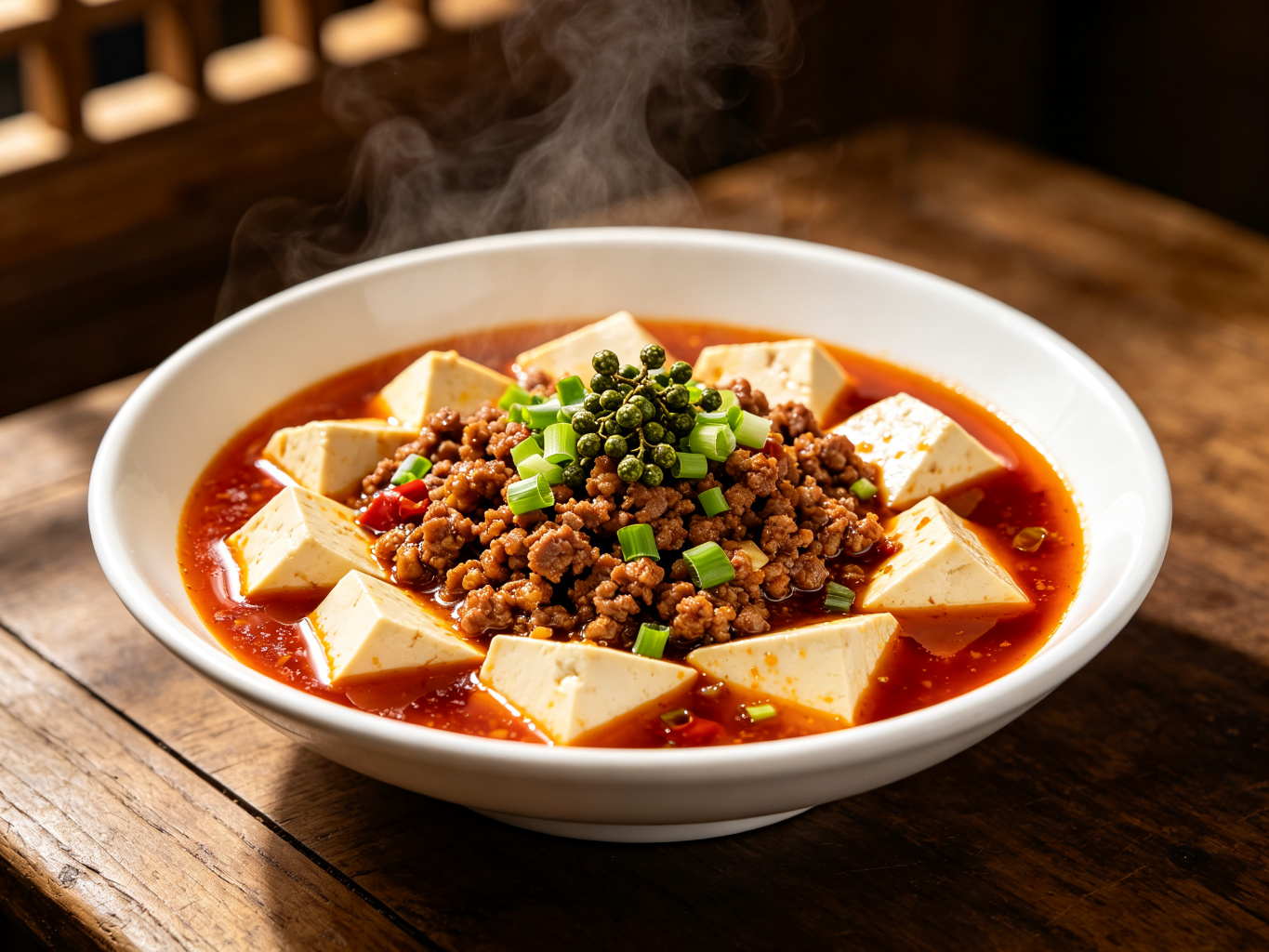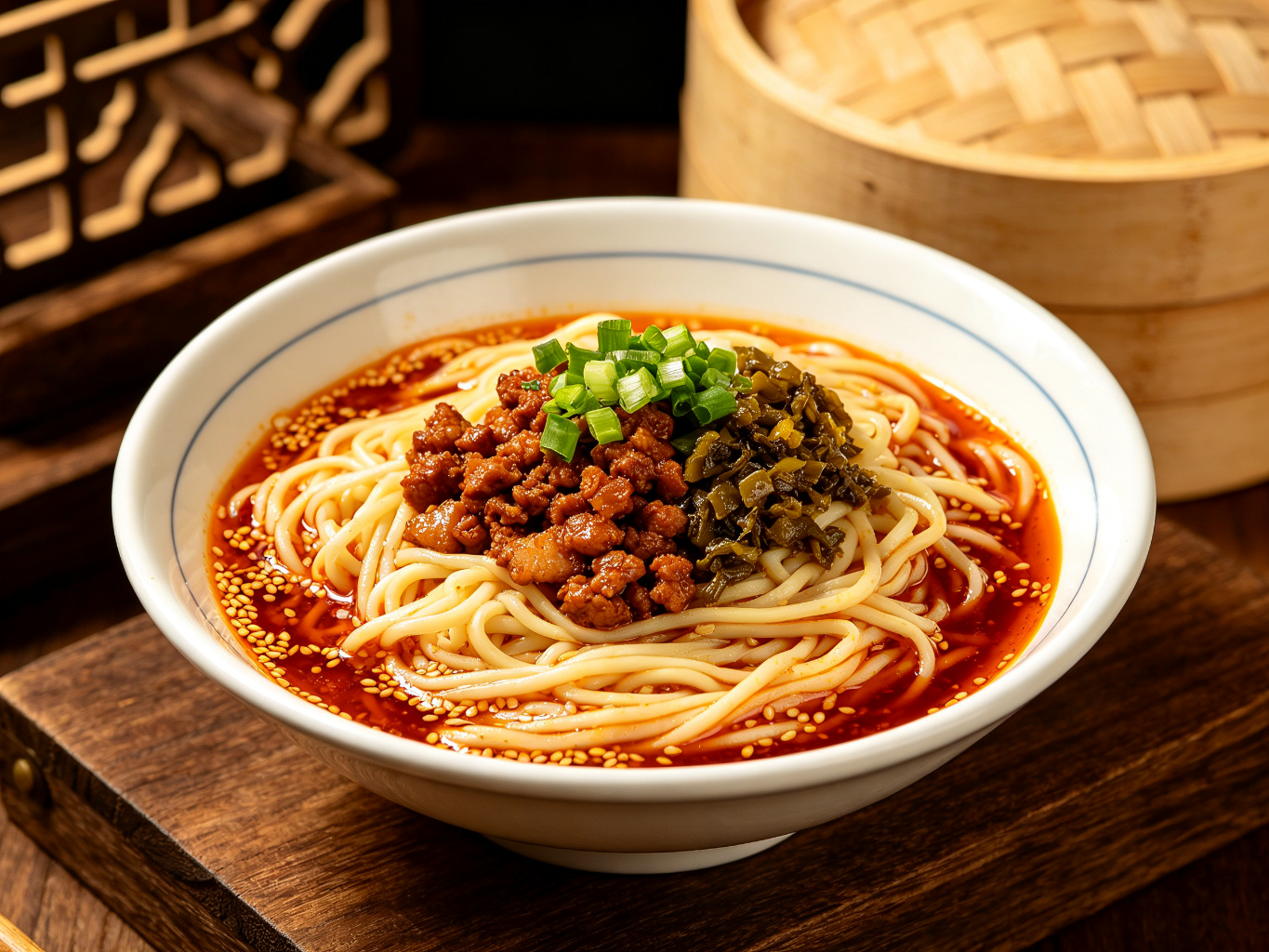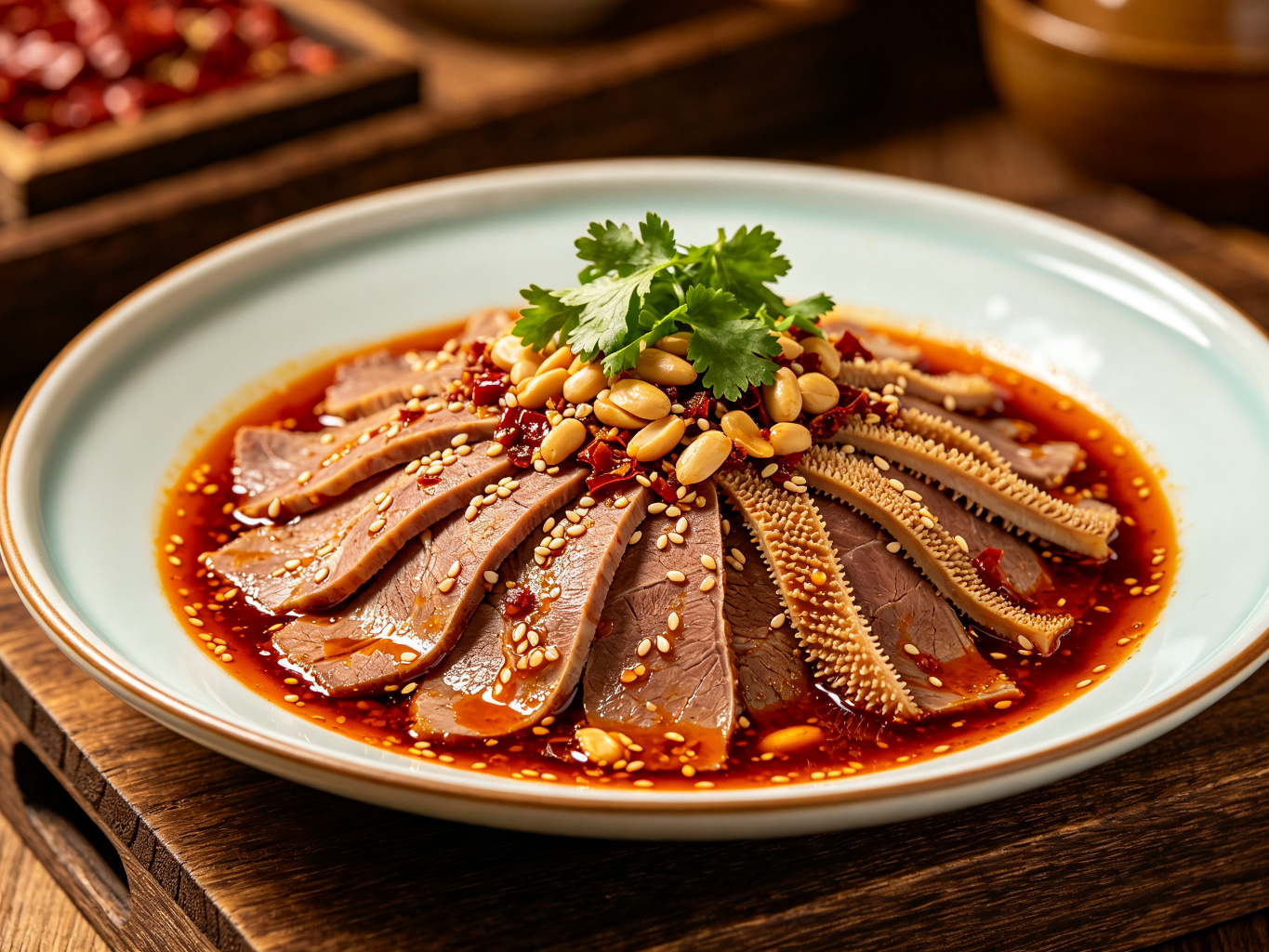
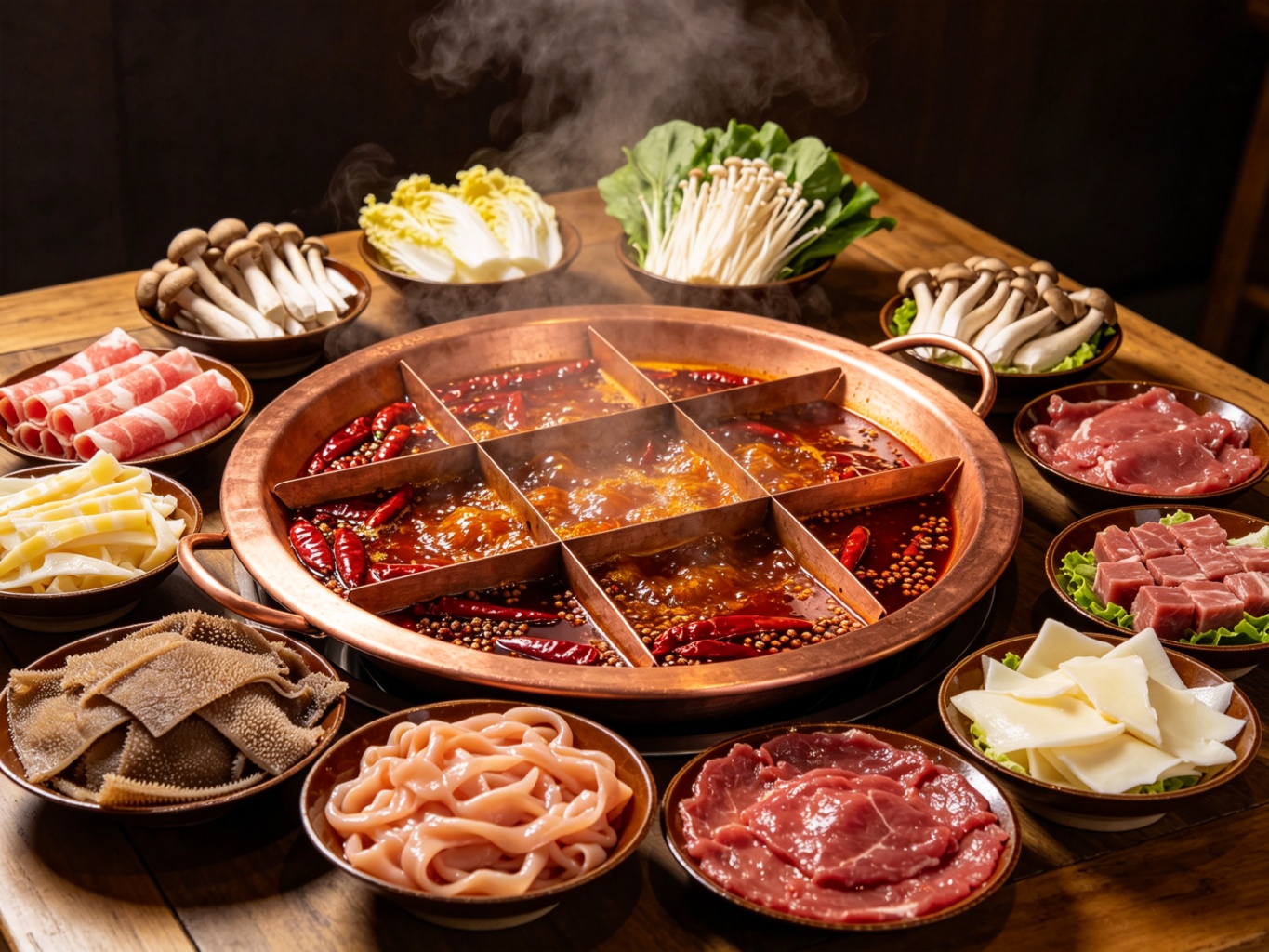
Ask any Chengdu local what the city eats most, and the answer is almost always the same: hot pot (火锅, huǒguō). A bubbling cauldron of stock laced with mala — the signature numbing heat of Sichuan pepper and chili — sits at the center of the table, surrounded by platters of beef, tripe, mushrooms, vegetables and tofu. Hot pot is where Chengdu celebrates, negotiates, dates and argues. No trip to the city is complete without at least one slow, sweaty, unforgettable hot pot dinner.
A short history
Sichuan hot pot evolved along the Yangtze River in the late Qing dynasty, when boatmen and dock workers in Chongyang and Yibin cooked cheap offal in a communal pot of spicy broth to ward off the damp riverside cold. By the mid-twentieth century, the tradition had reached Chengdu, where locals refined the recipe: lighter chili oil, more aromatic spices, and a wider range of fresh ingredients. Chengdu style is now softer and more layered than the bold, heavy Chongqing version, but both share the same fiery soul.
How to order like a local
First choose your broth. The classic split pot (鸳鸯锅, yuānyāng guō) lets one side burn with red chili oil while the other stays clear bone broth, ideal for nervous first-timers. Then pick your ingredients by the plate. Beginner must-tries include:
- 毛肚 máo dù — beef tripe, cooked exactly 8 seconds, the city's favorite bite
- 黄喉 huáng hóu — pig or beef aorta, crisp and springy
- 鸭肠 yā cháng — duck intestine, cooked until it curls
- 酥肉 sū ròu — crispy fried pork, delicious even before the pot
- 老豆腐 lǎo dòufu — firm tofu that absorbs broth like a sponge
- 苕皮 sháo pí — wide sweet-potato noodles, silky and chewy
- 冰粉 bīng fěn — brown-sugar ice jelly, the essential cooling dessert
Order a small bowl of sesame dipping sauce (油碟, yóu dié) made from sesame oil, garlic, coriander and a splash of vinegar; it cools the food and cuts the grease.
Practical Information
- Address: chains such as Shu Daxia (蜀大侠) and Da Long Yi (大龙燚) have branches across the city; Yulin and Jianshe Road have dense clusters of small local pots.
- Transport: Metro Line 1 to Chunxi Road, Line 3 to Gaoshengqiao, or simply walk around Yulin after dark.
- Opening Hours: most shops open 11:00–02:00 the next day; dinner from 18:00 is the peak.
- Cost: about ¥90–150 per person at a mid-range chain, ¥60–90 at a local neighborhood spot.
- Tips: ask for weila (微辣, mild) on your first visit. Cook raw food yourself; never fish out another diner's meat with your personal chopsticks. End with bingfen or a cold beer.
Foreign diner tips
English menus are rare outside the biggest chains. Point at photos or scan the QR code on the table, which usually has an English or image-based menu. The numbing sensation on your lips is normal — it is Sichuan peppercorn, not allergy. Drink beer, iced sour plum drink (酸梅汤, suānméitāng) or iced tea; avoid water, which does nothing against the heat.
Practical tip for first-timers: always order the 鸳鸯 split pot (yuānyāng guō) — one side fiery red oil, the other clear bone broth — so you can cool your palate between bites. A typical table for two runs about ¥180–240 including cold beer; extra plates of fresh lotus root, potato, and enoki mushrooms cost only ¥6–12 each. Skip the tourist traps inside Kuanzhai Alley and walk two blocks north into the Yulin backstreets, where local families have been lining up for decades.