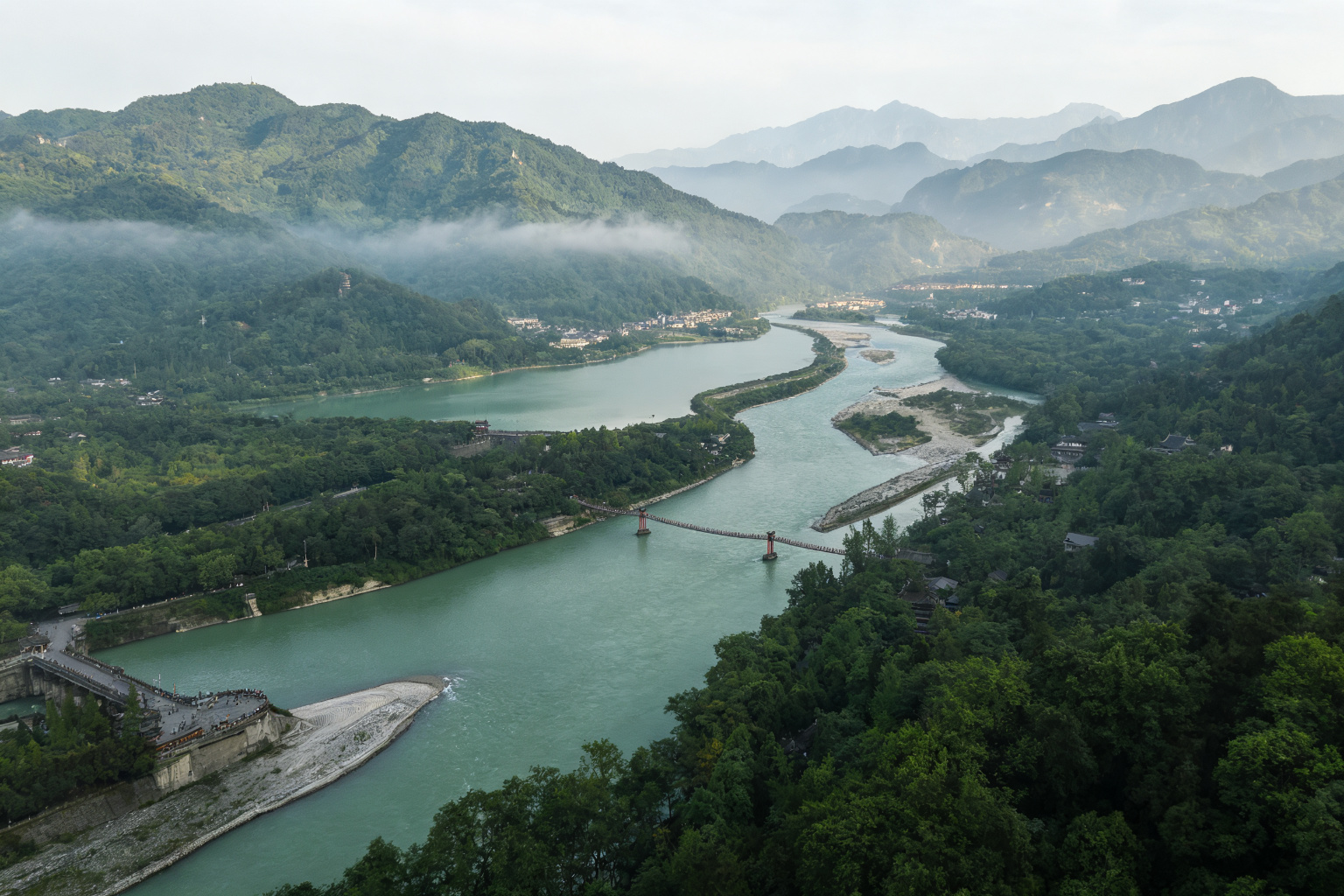
In 256 BC, a Qin governor named Li Bing (李冰) and his son solved a problem that had drowned the Chengdu Plain for centuries: the Min River roared down from the mountains in summer and flooded everything in its path. Their solution, Dujiangyan (都江堰), is the world's oldest and only surviving no-dam irrigation system — a gravity-fed network that still irrigates over 700,000 hectares today. It is a UNESCO World Heritage Site and one of the great engineering wonders of ancient China.
How it works
Li Bing split the river into three parts with ingenious low-tech structures:
- Yuzui (Fish Mouth Levee): a wedge-shaped embankment that divides the Min into an inner river (for irrigation) and an outer river (for flood discharge)
- Feishayan (Flying Sand Weir): an overflow that flushes silt away during floods
- Baopingkou (Bottle-Neck Channel): a narrow channel carved through the mountain that controls water flow into the Chengdu Plain
No concrete, no electricity — just physics and a lifetime of observation. Walk along the 2 km Mingjiang River embankment and you will see it in action.
Practical Information
- Address: Park Road, Dujiangyan City, Chengdu (都江堰市公园路), about 55 km northwest of central Chengdu
- Getting there: Take the high-speed train from Chengdu West Station (犀浦/成都西) to Dujiangyan Station (都江堰站), 30 minutes, ¥10–15; then bus 4 or 101 to the scenic area. Alternatively, Metro Line 6 to Xipu, transfer to the intercity rail — total 1 hour.
- Hours: 8:00 AM – 5:30 PM (summer to 6:00 PM)
- Tickets: ¥80 adult; half-price for students. Combo ticket with Mount Qingcheng Front Mountain: ¥170
- Duration: 3–4 hours
- Best time: April–October; early morning for mist on the river and fewer crowds
Combine with Mount Qingcheng
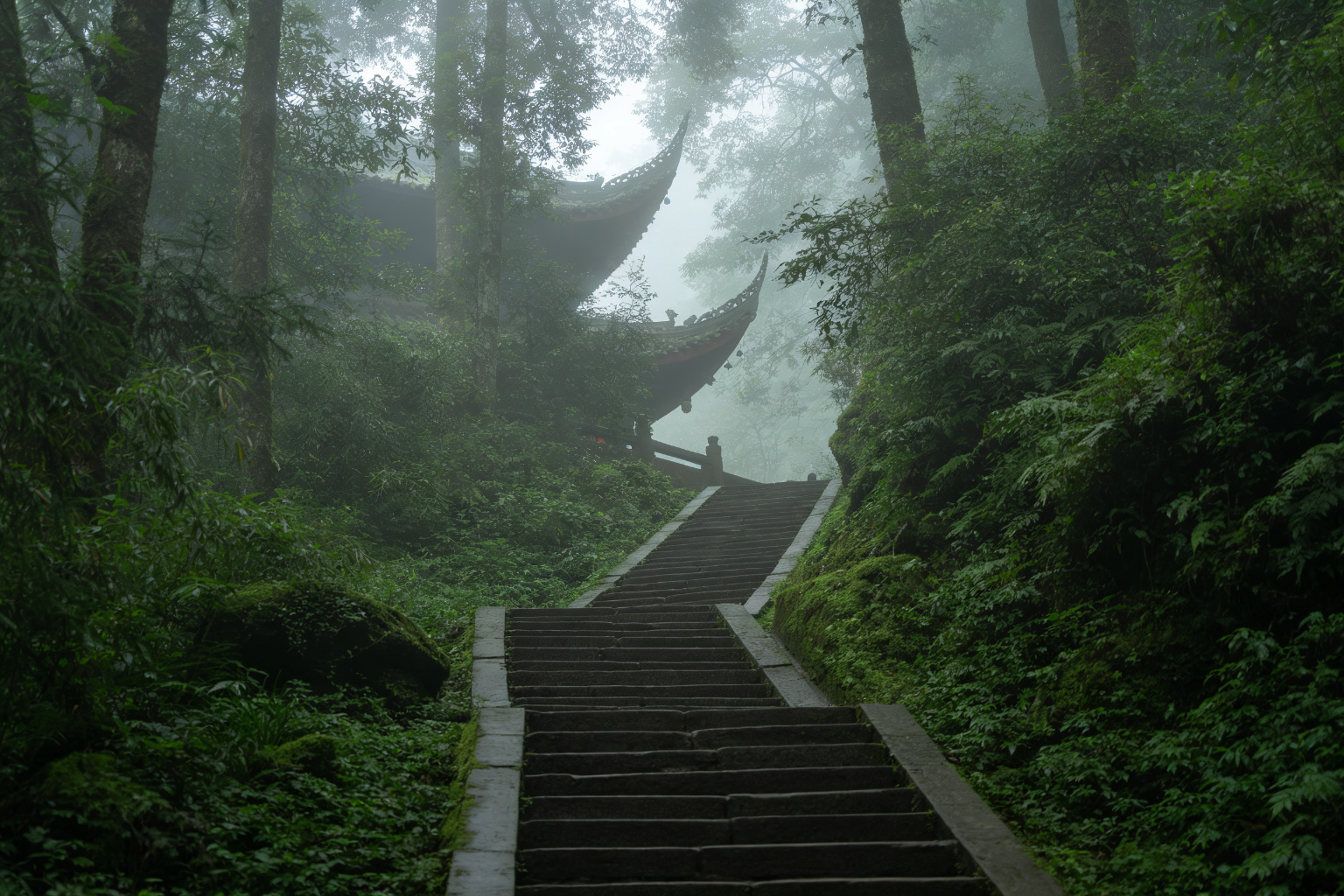
Dujiangyan sits at the foot of Mount Qingcheng (青城山前山), 15 minutes by taxi or bus. Most visitors do both in one day: Dujiangyan in the morning, Mount Qingcheng (cable car up, walk down) in the afternoon. This is the classic Chengdu one-day tour, sold by every hotel and travel desk.
Tips for foreign visitors
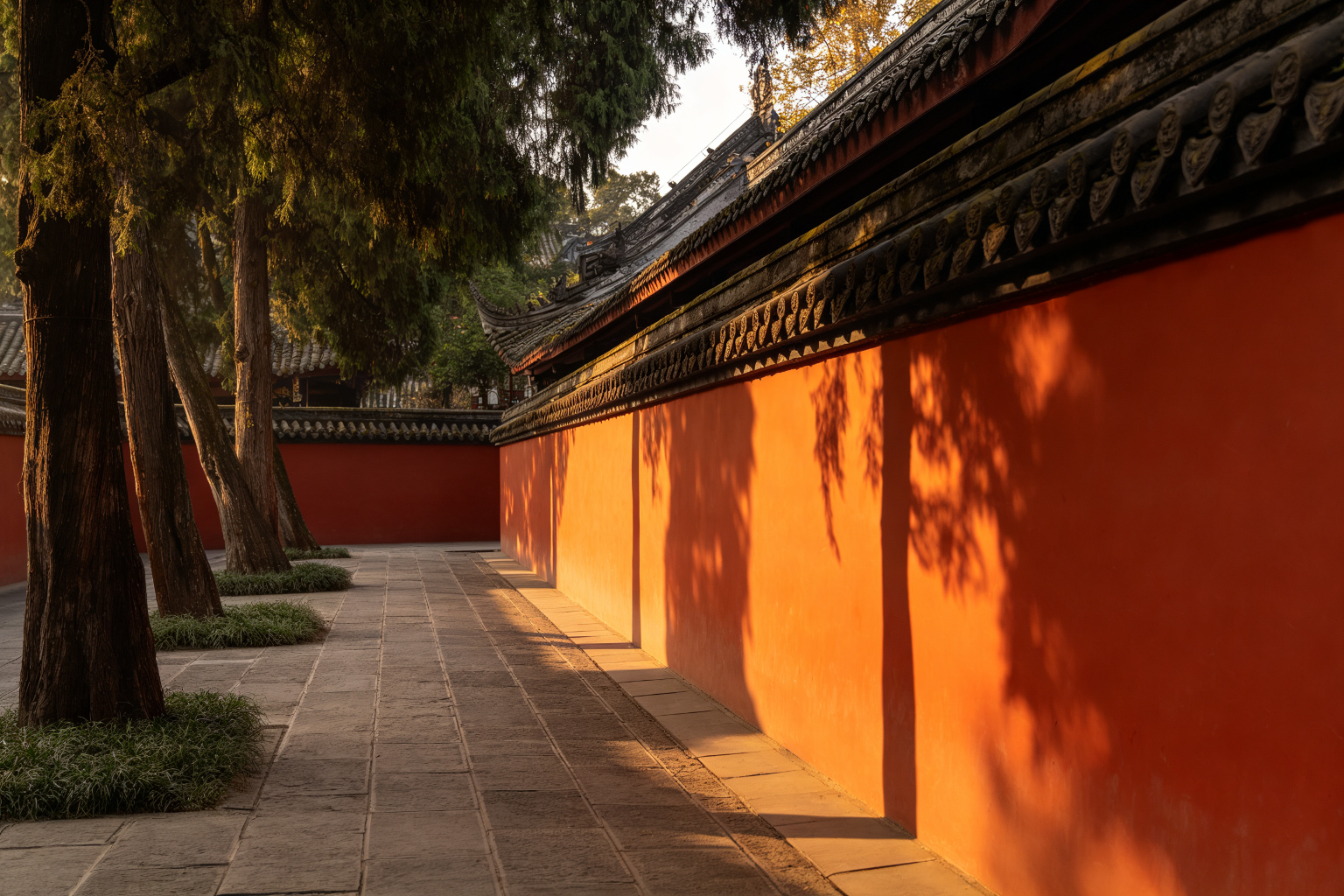
Wear walking shoes; the site involves steps along the river. Bring snacks — inside food is limited. The er wang Temple (二王庙) on the hill honors Li Bing and his son and is worth the climb. Chinese New Year draws huge crowds; avoid then unless you want the festival atmosphere.
Getting around Chengdu. The metro covers most central sights; buy a Yangchengtong card or use the Alipay/WeChat QR on your phone. Taxis start at 8 yuan and are cheap by Western standards, but Didi (the Chinese Uber) is even easier and shows the fare upfront. Buses are crowded but cover everywhere. For day trips to Dujiangyan, Mount Qingcheng or Anren, book through your hotel front desk or use the intercity rail app. Chengdu is a walkable city in the centre, but summer heat and humidity can exhaust you — plan a tea break in the afternoon. English is spoken in major hotels and tourist sights, but almost nowhere else; download a translation app and carry a hotel card in Chinese to show taxi drivers.
Money, safety and etiquette. Chengdu is one of the safest major cities in China; violent crime against tourists is rare. Still, watch your bag on crowded buses and at Jinli or Kuanzhai Alley. Tap-to-pay dominates — most small vendors accept Alipay or WeChat Pay even for 5-yuan snacks, but carry cash (100-yuan notes) for remote temples and older taxi drivers. Tipping is not expected and can be awkward. When visiting temples, dress modestly (shoulders and knees covered), and do not point at statues with your finger. Sichuanese food is genuinely numbing-spicy; if you cannot handle heat, order buguo la (not spicy) or ask for the dip on the side. Bottled water is cheap; drink bottled, not tap.