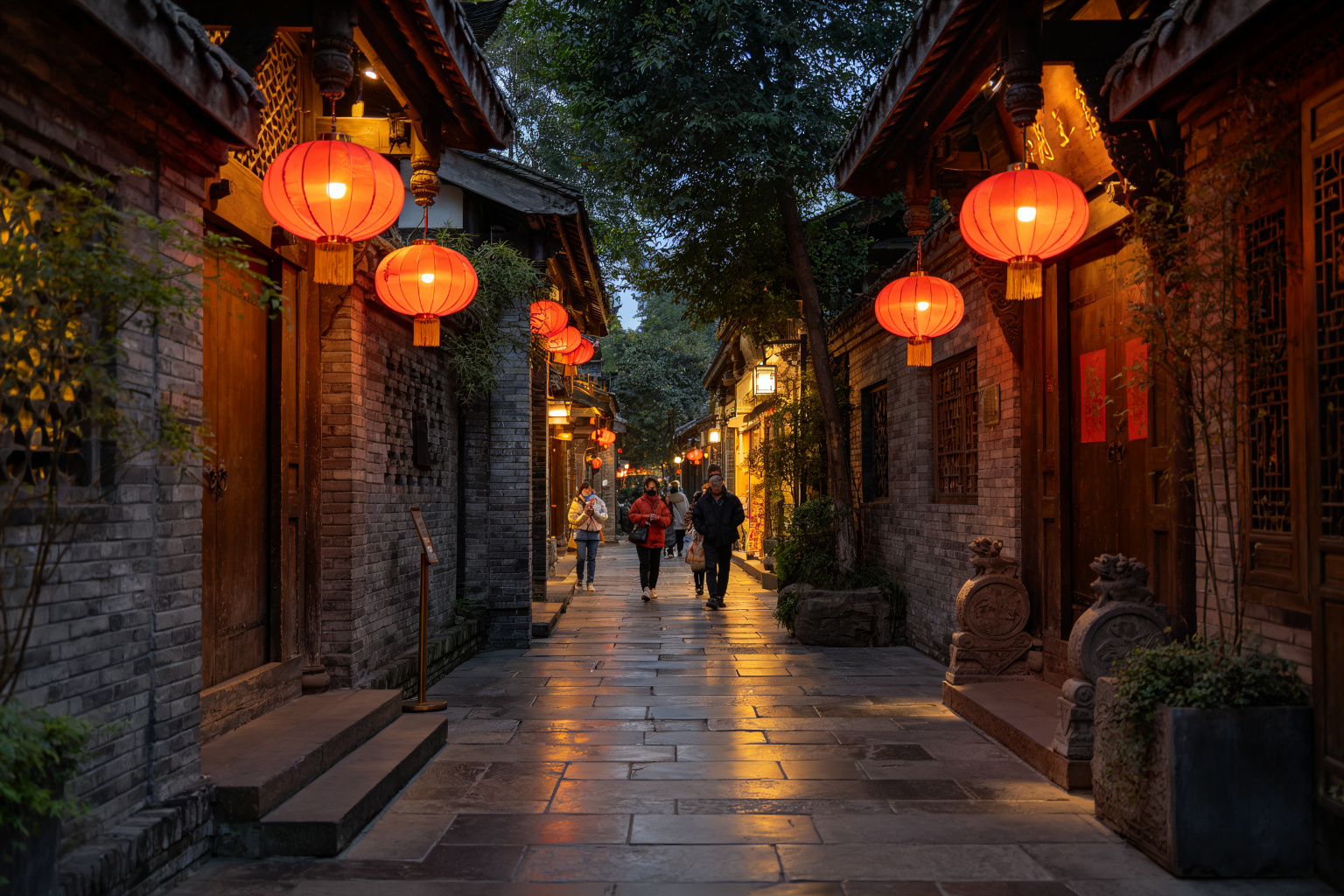
Kuanzhai Alleys (宽窄巷子, Kuānzhǎi Xiàngzi) are three parallel lanes — Kuanzhai (Wide), Zhaizhai (Narrow) and Jingxiang Alley (Well Alley) — laid out during the Qing dynasty for Manchu garrison soldiers. After a 2008 renovation, the courtyard homes have been converted into teahouses, Sichuan-opera stages, design boutiques, cocktail bars and tiny restaurants. It is the most "postcard" version of old Chengdu, but still atmospheric.
Three lanes, three moods
- Wide Alley (宽巷子): family-friendly, with courtyard teahouses and traditional sugar art
- Narrow Alley (窄巷子): boutique galleries, craft beer, Western-style cafes, luxury hotels
- Well Alley (井巷子): street food, street artists, wall paintings of old Chengdu life
What to do
Order a bowl of盖碗茶 (gàiwǎn chá, covered-bowl tea) at a courtyard teahouse and watch a ear-cleaning (掏耳朵, táo ěrduo) master at work — a 200-year-old Chengdu specialty. Then walk to the end of Narrow Alley for a Sichuan tea-brewing show. At night, the alleys switch to a quieter bar-and-dinner mood.
Practical Information
- Address: Kuanzhai Alley, Qingyang District (青羊区宽窄巷子), between Changshun Street and Tonghuili Road
- Metro: Line 4 to Kuanzhai Alley Station (宽窄巷子站), exit B, directly at the north gate
- Hours: All day; shops and teahouses open 10:00 AM – 10:00 PM
- Cost: Entry free; tea ¥30–60 per pot; meals ¥80–150 per person
- Duration: 2–3 hours including tea
- Best time: Late afternoon to early evening; weekends are crowded but lively
Tips for foreign visitors
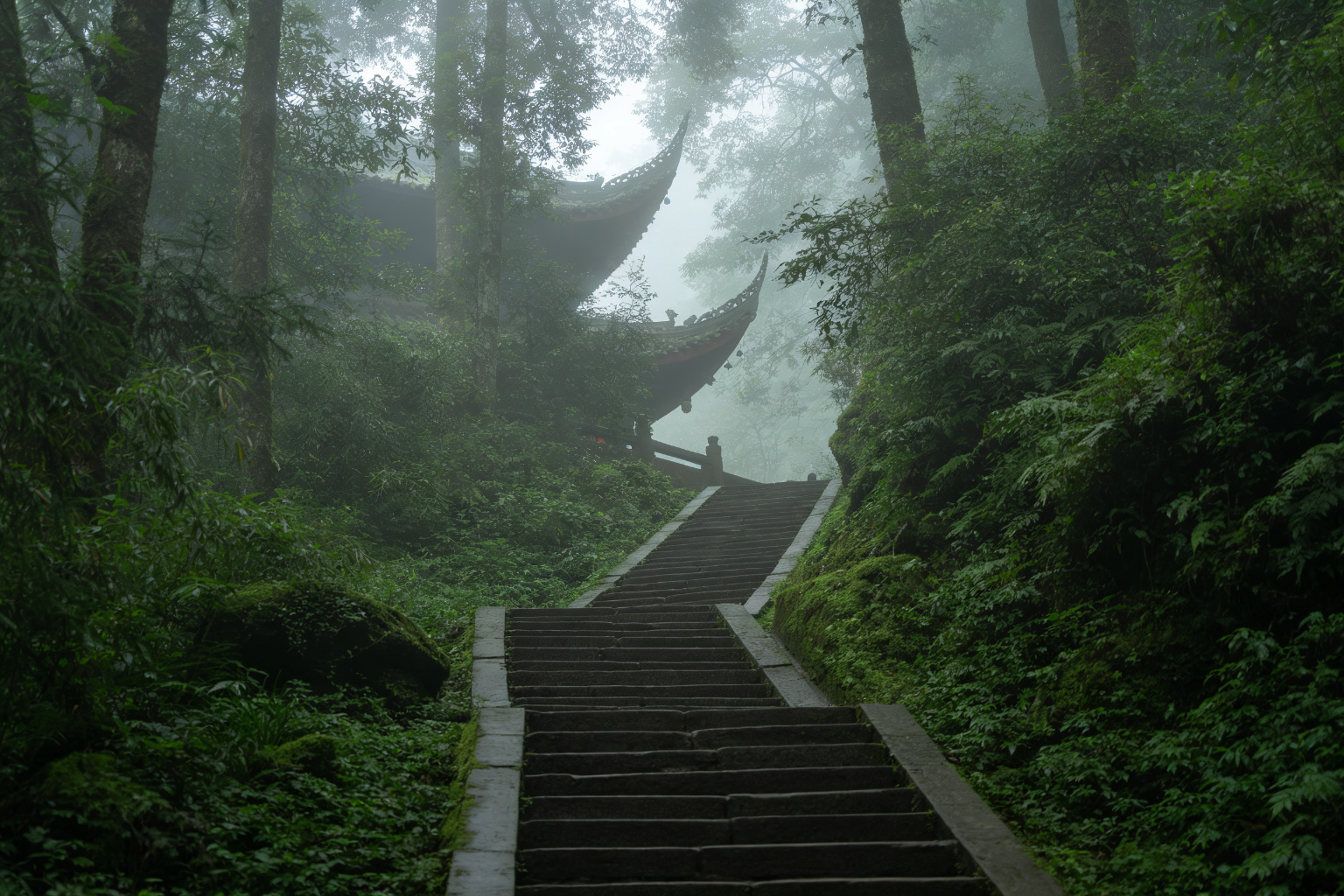
It is gentrified — for more authentic old Chengdu, walk north to Wenshu Monastery (文殊院) 1 km away. Teahouses here price-tourist; the real thing is at People's Park (see #8). Still, Kuanzhai is the best single introduction to old Chengdu architecture, and a great first evening in the city. Bring cash; some small stalls do not take cards. The ear-cleaning service looks dramatic but is hygienic — ask the price first (¥30–50).
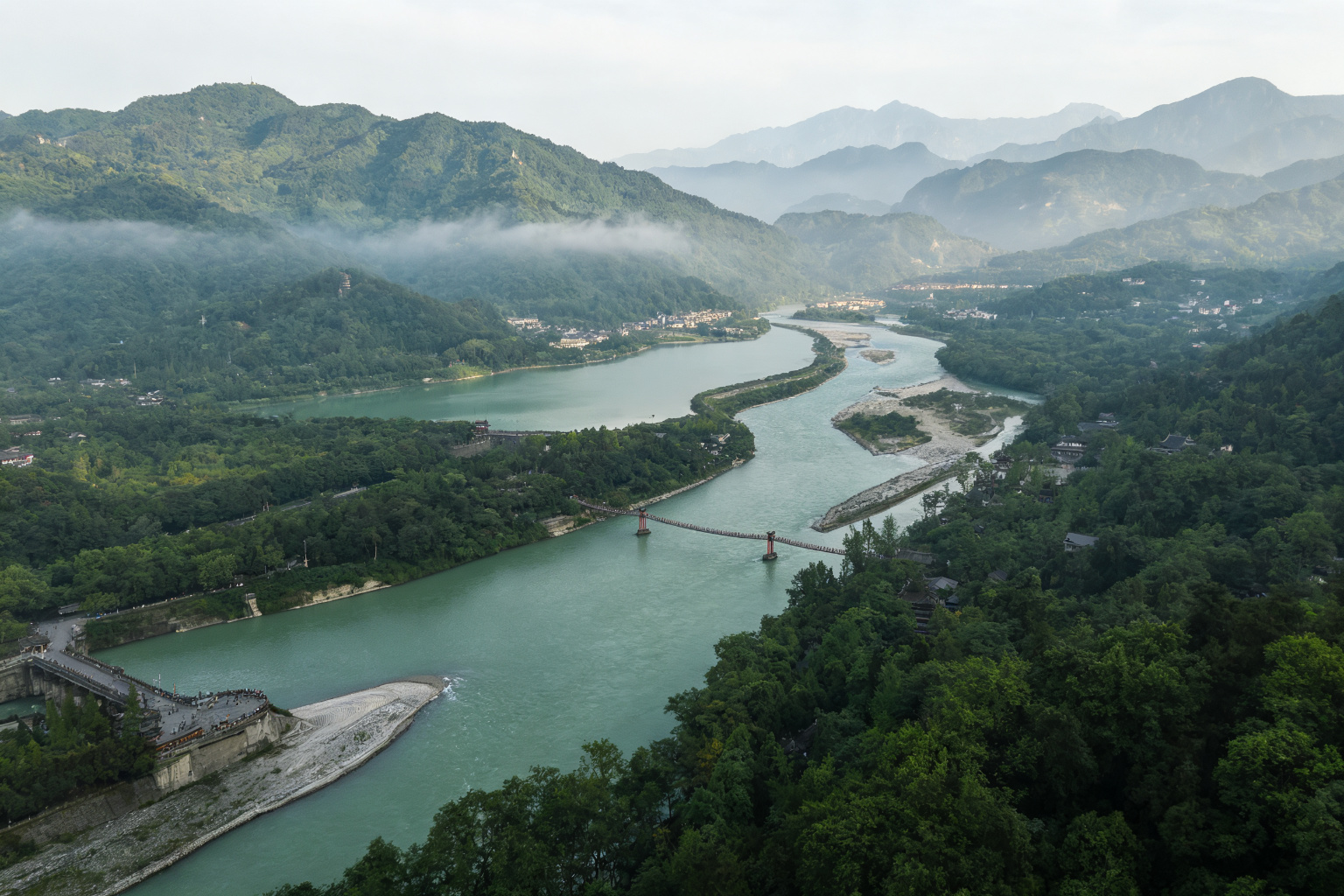
Getting around Chengdu. The metro covers most central sights; buy a Yangchengtong card or use the Alipay/WeChat QR on your phone. Taxis start at 8 yuan and are cheap by Western standards, but Didi (the Chinese Uber) is even easier and shows the fare upfront. Buses are crowded but cover everywhere. For day trips to Dujiangyan, Mount Qingcheng or Anren, book through your hotel front desk or use the intercity rail app. Chengdu is a walkable city in the centre, but summer heat and humidity can exhaust you — plan a tea break in the afternoon. English is spoken in major hotels and tourist sights, but almost nowhere else; download a translation app and carry a hotel card in Chinese to show taxi drivers.
Money, safety and etiquette. Chengdu is one of the safest major cities in China; violent crime against tourists is rare. Still, watch your bag on crowded buses and at Jinli or Kuanzhai Alley. Tap-to-pay dominates — most small vendors accept Alipay or WeChat Pay even for 5-yuan snacks, but carry cash (100-yuan notes) for remote temples and older taxi drivers. Tipping is not expected and can be awkward. When visiting temples, dress modestly (shoulders and knees covered), and do not point at statues with your finger. Sichuanese food is genuinely numbing-spicy; if you cannot handle heat, order buguo la (not spicy) or ask for the dip on the side. Bottled water is cheap; drink bottled, not tap.