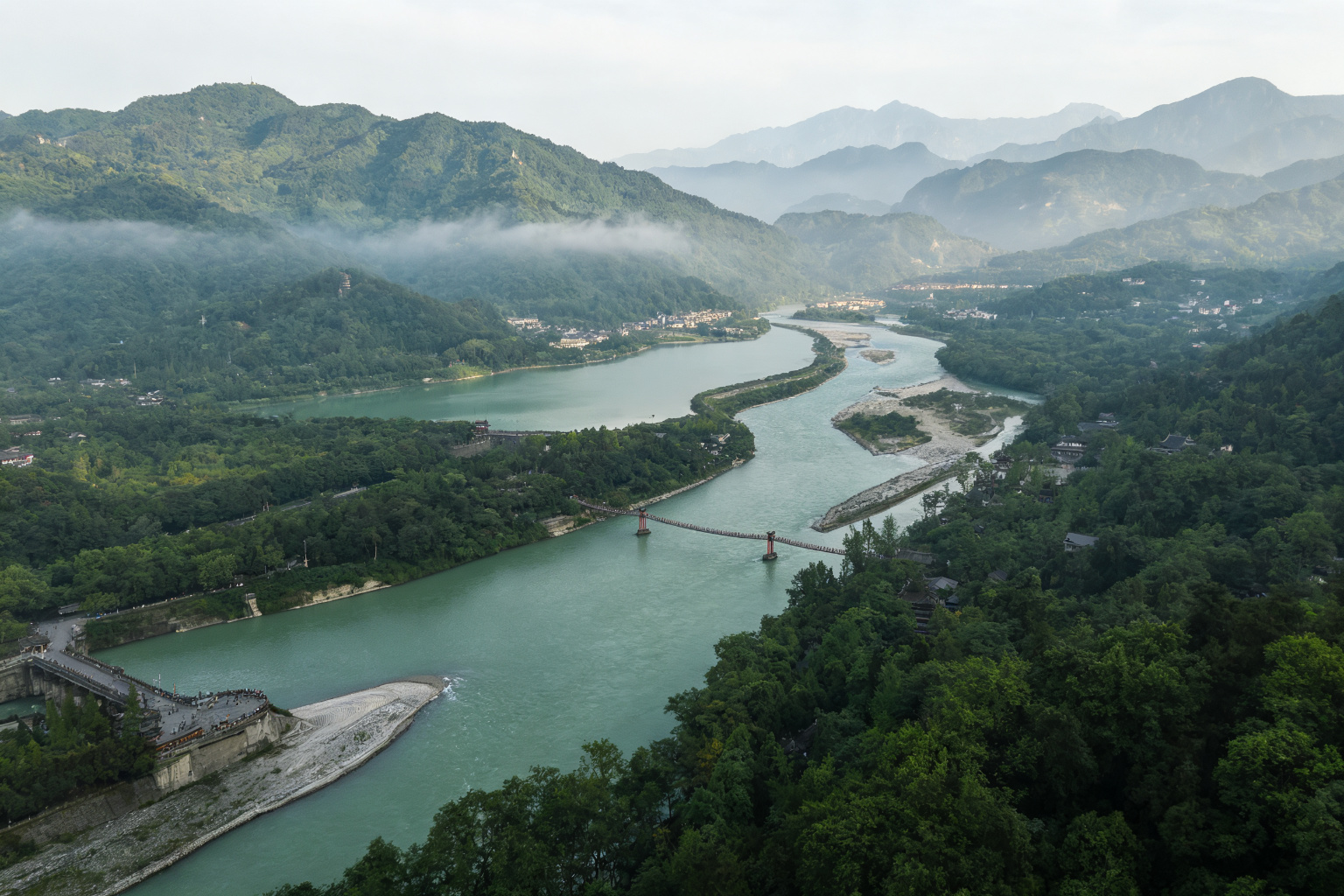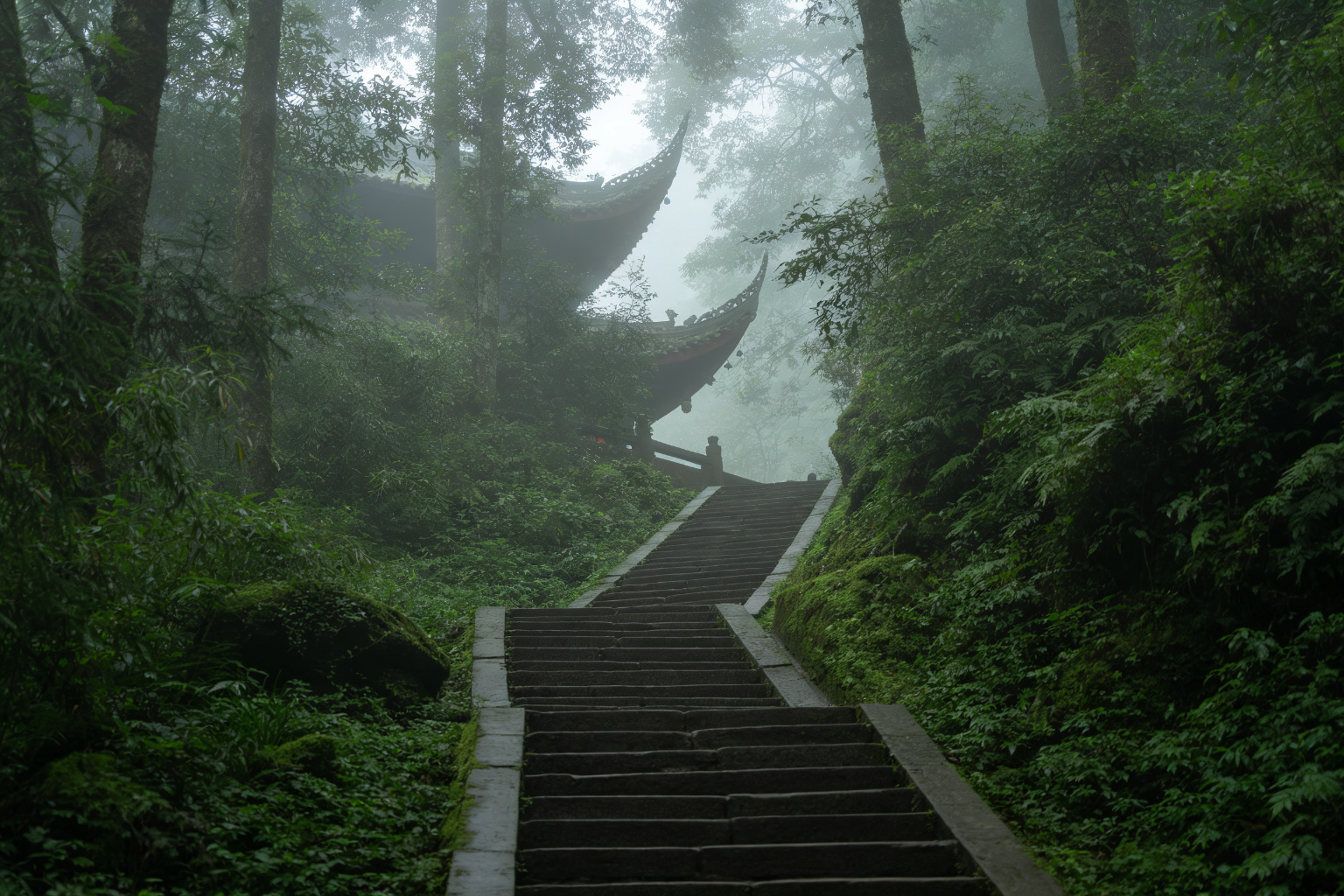
Wuhou Shrine (武侯祠, Wǔhóu Cí) is the most famous Three Kingdoms (三国, Sānguó) historical site in China. It honors Zhuge Liang (诸葛亮, 181–234 AD), the Chancellor of Shu Han who, legend says, could predict the future. The complex was first built in the sixth century and combines a temple to Zhuge Liang with the Liu Bei Mausoleum (惠陵), the tomb of the first emperor of Shu Han. Together with the adjacent Jinli Ancient Street, this is Chengdu's historical heart.
What to see
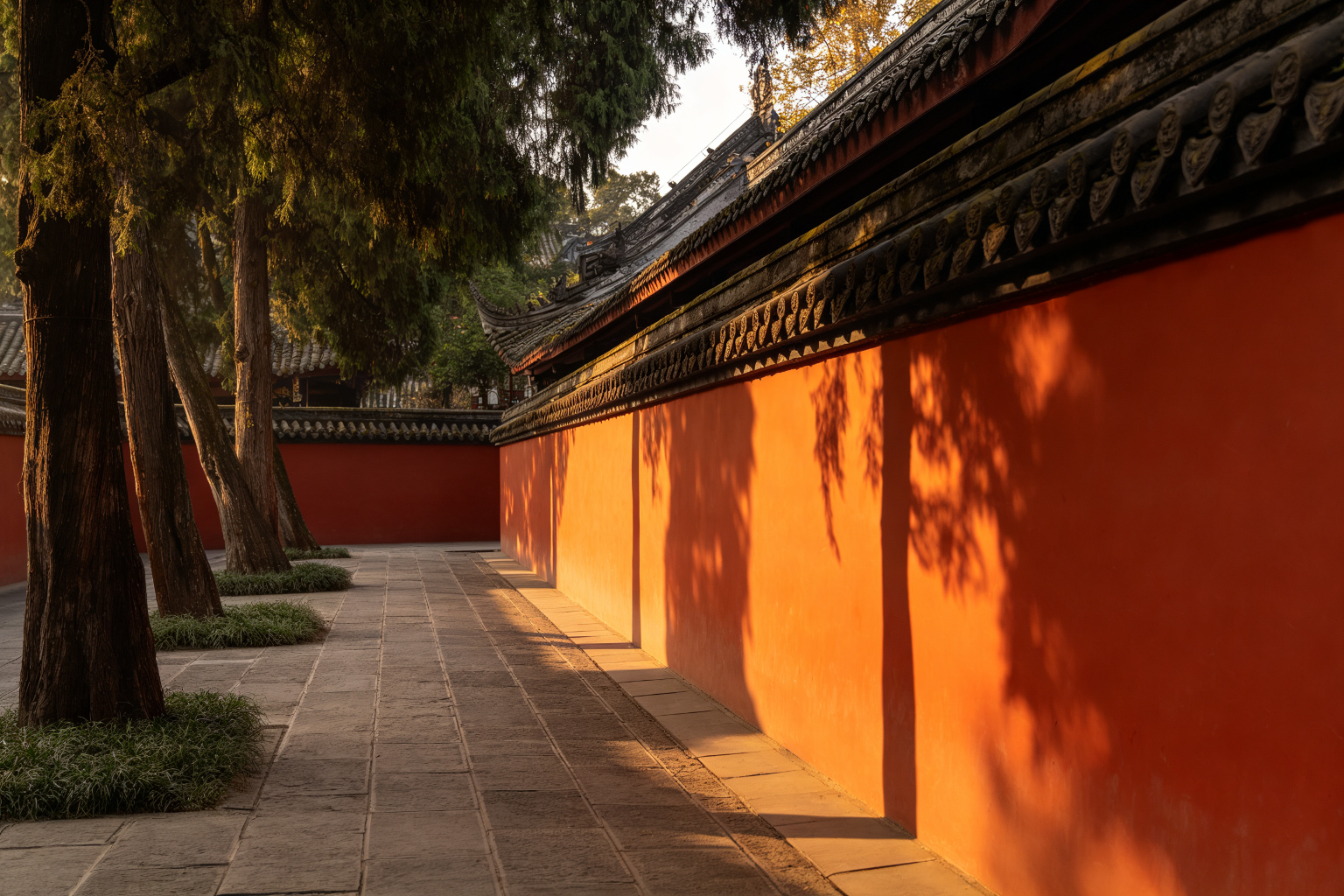
- Red Wall Pathway (红墙夹道): the most photographed spot — cypress trees and vermilion walls, perfect at sunset
- Hall of Liu Bei (刘备殿): larger-than-life statues of the Shu emperor and his generals
- Hall of Zhuge Liang (诸葛亮殿): the shrine's heart, with three generations of the Zhuge family
- Liu Bei Mausoleum (惠陵): a 1,500-year-old tomb mound you can walk around
- Triple Successive Arches (三义庙): moved here from downtown, celebrating the oath of the Peach Garden
Background: the Three Kingdoms
Zhuge Liang was the mastermind behind the novel Romance of the Three Kingdoms, one of China's four great classical novels. If you have seen the 94-episode TV series or the 2008 John Woo film Red Cliff, you already know the story: a trio of sworn brothers — Liu Bei, Guan Yu, Zhang Fei — fought to restore the Han dynasty with the help of their genius strategist. The shrine makes much more sense after a 10-minute read of the Wikipedia plot summary.
Practical Information
- Address: 231 Wuhouci Avenue, Wuhou District (武侯区武侯祠大街231号)
- Metro: Line 3 or 5 to Gaoshengqiao Station (高升桥站), exit D, then walk 10 minutes south
- Hours: 8:00 AM – 6:00 PM (last entry 5:30 PM)
- Tickets: ¥50 adult; half-price for students. Audio guide in English ¥30
- Duration: 2–3 hours
- Best time: 9:00 AM when the grounds open, or late afternoon for golden light on the red walls
Tips for foreign visitors
Combine with Jinli Ancient Street next door for dinner and street snacks — one ticket, two experiences. The English audio guide is worth the money; the inscriptions are all in classical Chinese. Do not miss the stele pavilion with calligraphy by Emperor Kangxi. Avoid weekends if crowds bother you.
Getting around Chengdu. The metro covers most central sights; buy a Yangchengtong card or use the Alipay/WeChat QR on your phone. Taxis start at 8 yuan and are cheap by Western standards, but Didi (the Chinese Uber) is even easier and shows the fare upfront. Buses are crowded but cover everywhere. For day trips to Dujiangyan, Mount Qingcheng or Anren, book through your hotel front desk or use the intercity rail app. Chengdu is a walkable city in the centre, but summer heat and humidity can exhaust you — plan a tea break in the afternoon. English is spoken in major hotels and tourist sights, but almost nowhere else; download a translation app and carry a hotel card in Chinese to show taxi drivers.
Money, safety and etiquette. Chengdu is one of the safest major cities in China; violent crime against tourists is rare. Still, watch your bag on crowded buses and at Jinli or Kuanzhai Alley. Tap-to-pay dominates — most small vendors accept Alipay or WeChat Pay even for 5-yuan snacks, but carry cash (100-yuan notes) for remote temples and older taxi drivers. Tipping is not expected and can be awkward. When visiting temples, dress modestly (shoulders and knees covered), and do not point at statues with your finger. Sichuanese food is genuinely numbing-spicy; if you cannot handle heat, order buguo la (not spicy) or ask for the dip on the side. Bottled water is cheap; drink bottled, not tap.