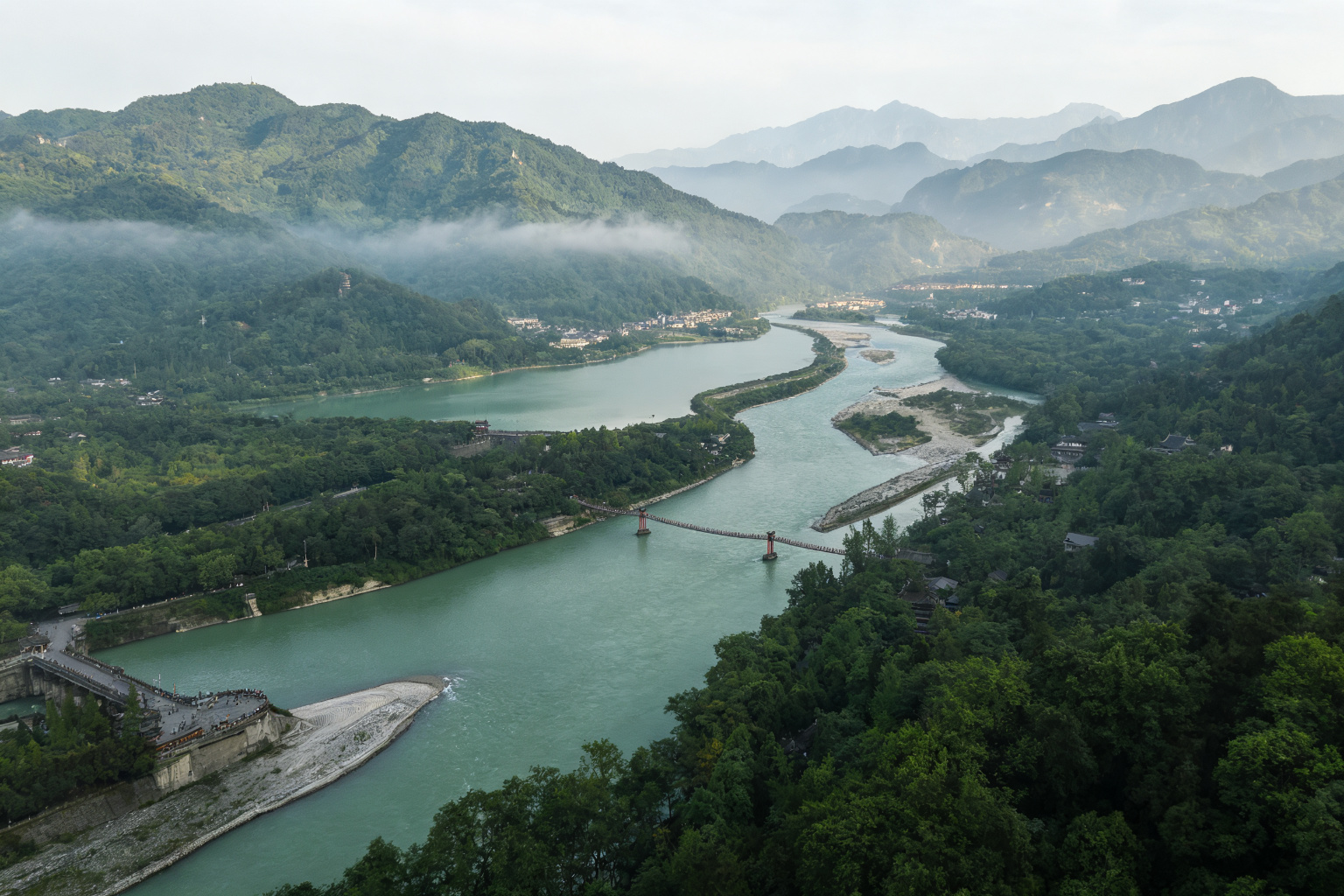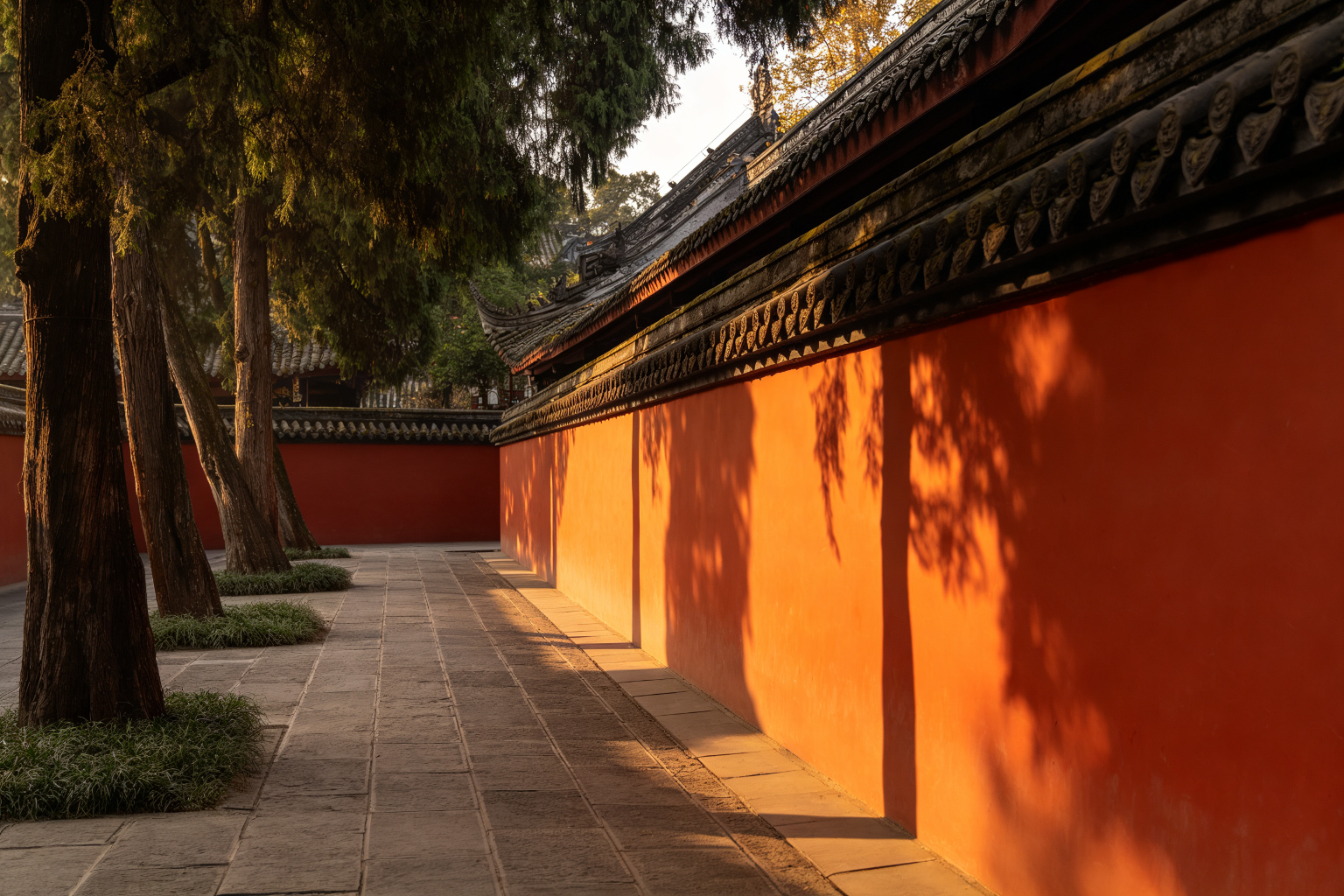
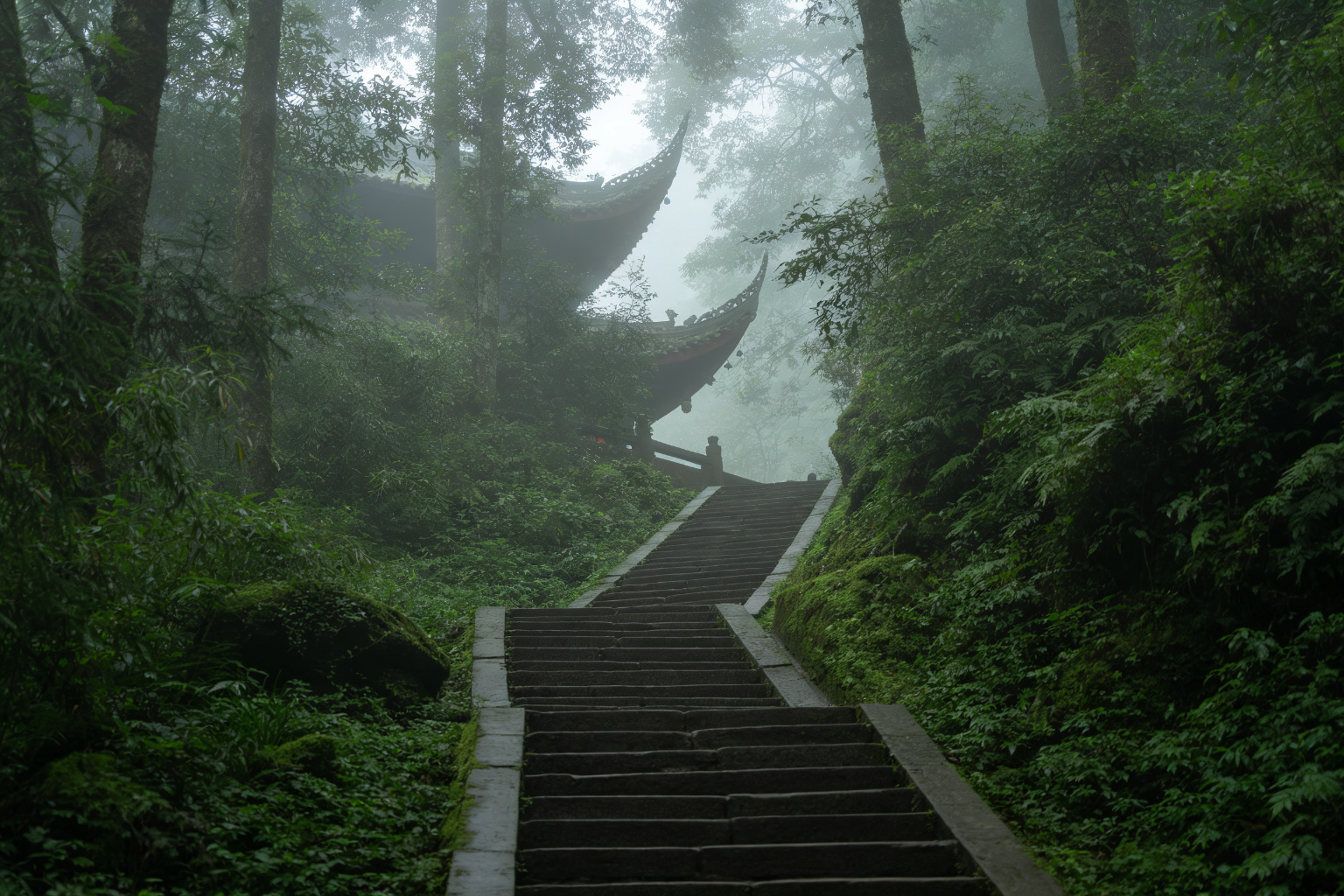
Mount Qingcheng (青城山, Qīngchéng Shān), meaning "Green City Mountain", rises sharply from the Sichuan Plain 60 km west of Chengdu. It is one of Taoism's four sacred mountains and the birthplace of the Quan Zhen (Complete Reality) sect founded by Zhang Daoling in 142 AD. The whole mountain is a UNESCO World Heritage Site (joint listing with Dujiangyan) and a forest park of dense evergreen trees, gnarled temples and constant birdsong.
Front Mountain vs Back Mountain
Qingcheng has two very different faces:
- Front Mountain (前山, Qiánshān): the classic scenic area, 60% of visitors. Paved stone steps, cable car, 8 temples including the iconic Jianfu Palace and Shangqing Palace. Well signposted, 3–4 hours.
- Back Mountain (后山, Hòushān): wilder, quieter, more alpine — waterfalls, ravines, wooden footbridges. Hikers love it; 4–6 hours. Less infrastructure, cheaper tickets.
Most first-timers do Front Mountain. Serious hikers should choose Back Mountain.
Practical Information
- Address: Qingcheng Town, Dujiangyan City (都江堰市青城山)
- Getting there: From Chengdu, take intercity rail to Qingchengshan Station (青城山站), 40 minutes from Xipu, ¥10; then bus 101 to the Front Mountain gate. If you are already at Dujiangyan, taxi or bus 101 takes 15 minutes.
- Hours: Front Mountain 8:00 AM – 5:00 PM; Back Mountain 8:00 AM – 5:00 PM
- Tickets: Front Mountain ¥80; cable car one-way ¥35, round-trip ¥60. Back Mountain ¥20, cable car extra.
- Duration: 4–6 hours including Dujiangyan as a day trip
- Best time: April–October; the mountain is famously misty — bring a light raincoat
The classic one-day tour
Start at Chengdu Xipu Station at 8:00 AM. Arrive Dujiangyan by 9:00, walk the irrigation works until 12:30, lunch at a local restaurant (try zhangcha chaorou smoked pork), taxi to Qingcheng Front Mountain, cable car up, walk down through the temples, back to Chengdu by 6:00 PM. Bookable through your hotel or any platform.
Tips for foreign visitors
Steps are steep in places; do not wear flip-flops. Temple incense is smoky but beautiful. If you are short on time, cable car up saves 90 minutes of climbing. The mountain is 10°C cooler than Chengdu — bring a jacket.
Getting around Chengdu. The metro covers most central sights; buy a Yangchengtong card or use the Alipay/WeChat QR on your phone. Taxis start at 8 yuan and are cheap by Western standards, but Didi (the Chinese Uber) is even easier and shows the fare upfront. Buses are crowded but cover everywhere. For day trips to Dujiangyan, Mount Qingcheng or Anren, book through your hotel front desk or use the intercity rail app. Chengdu is a walkable city in the centre, but summer heat and humidity can exhaust you — plan a tea break in the afternoon. English is spoken in major hotels and tourist sights, but almost nowhere else; download a translation app and carry a hotel card in Chinese to show taxi drivers.
Money, safety and etiquette. Chengdu is one of the safest major cities in China; violent crime against tourists is rare. Still, watch your bag on crowded buses and at Jinli or Kuanzhai Alley. Tap-to-pay dominates — most small vendors accept Alipay or WeChat Pay even for 5-yuan snacks, but carry cash (100-yuan notes) for remote temples and older taxi drivers. Tipping is not expected and can be awkward. When visiting temples, dress modestly (shoulders and knees covered), and do not point at statues with your finger. Sichuanese food is genuinely numbing-spicy; if you cannot handle heat, order buguo la (not spicy) or ask for the dip on the side. Bottled water is cheap; drink bottled, not tap.