
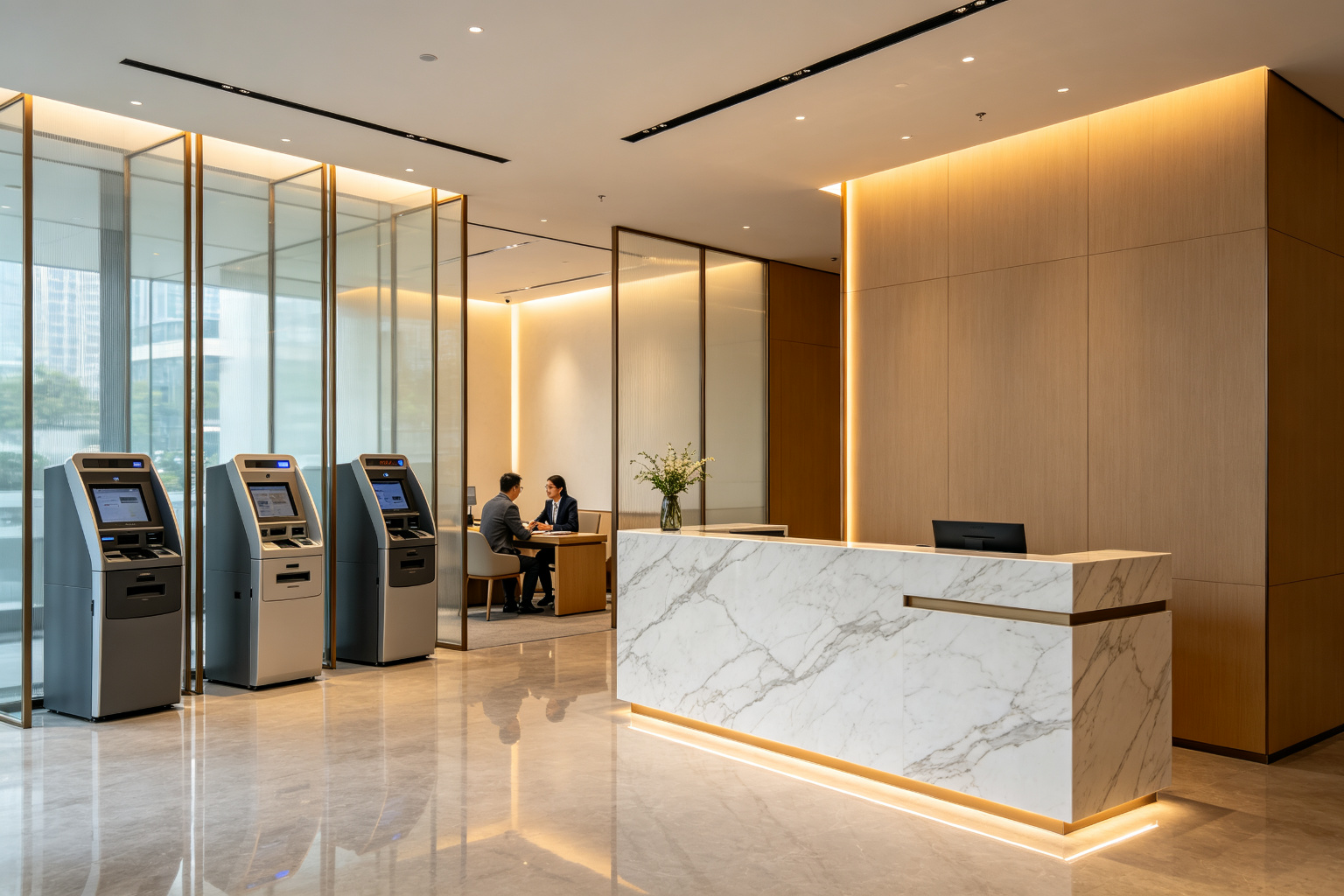
Once your entity exists, four practical systems start to matter: corporate income tax (CIT), value-added tax (VAT), social insurance and housing fund contributions, and corporate bank accounts. None of these is conceptually exotic, but the Chinese implementation differs from what most foreign CFOs expect. The good news is that almost everything is electronic now. The bad news is that first-time filings still hide surprises, and bank onboarding for a newly incorporated WFOE can take three to six weeks.
This article stays at the level of principles. Exact rates, thresholds and incentives change every year and are published by the State Administration of Taxation and the Ministry of Finance; always confirm the current figure with your accountant before booking.
The basics to remember
- Corporate Income Tax: standard CIT rate is 25% on taxable profit. Certified High and New Technology Enterprises commonly qualify for a preferential rate; small low-profit enterprises enjoy tiered reductions. The exact applicable rate depends on your qualifications and the latest policy.
- Value-added Tax: a turnover-based tax with multiple brackets, typically 13% for goods, 9% for transportation and construction, and 6% for modern services and finance. Small-scale taxpayers pay a simplified levy. Input VAT invoices must be genuine and matched; a fake invoice is a serious legal issue.
- Withholding on outbound payments: dividends, royalties and service fees paid to a parent abroad typically trigger withholding VAT and CIT, with treaty relief available.
- Bank accounts: a basic deposit account (基本户) is needed to collect revenue, pay salaries and settle taxes. Foreign-currency accounts require SAFE registration and document filings.
Practical Information
- Address: Chengdu branches of the Industrial and Commercial Bank of China, Bank of China, China Construction Bank and Bank of Communications all handle WFOE onboarding; HSBC, Standard Chartered and other foreign banks have Chengdu branches.
- Transport: bank corporate windows open weekdays 09:00-17:00; tax office 09:00-12:00, 13:00-17:00.
- Cost: standard bank account opening has no fixed government fee; the bank may require minimum deposits and ongoing service fees.
- Tips: bring original passport of the legal representative, business licence, company seals, articles of association and a physical office visit; banks now conduct real-site verification. Expect a video interview.
For foreign business visitors
Engage a licensed local bookkeeper before the first payroll. Reconcile VAT input and output monthly; late filings carry fines. Never buy or sell VAT invoices; this is the single most common cause of foreign company distress in China. Ask your bank about cross-border RMB services if your parent company wants centralised cash pooling, and confirm the latest SAFE rules with the bank rather than with a salesperson. All figures in this article are illustrative and should be verified against current official tax and bank guidance.
Audit and annual compliance
Every WFOE must complete an annual statutory audit by a Chinese licensed CPA firm and file a corporate income tax annual reconciliation by the end of May. The audit is not optional; banks and the tax bureau ask for it. Bookkeeping should be done in Chinese on the national electronic tax platform, even if your parent group consolidates in another currency. Transfer pricing between the Chengdu entity and the overseas parent must be at arm's length, with contemporaneous documentation if intercompany flows are material. Many small foreign companies underestimate the cost of this compliance stack and end up scrambling in April. Set aside a dedicated annual budget for local bookkeeping, audit and tax advisory; it is one of the smaller line items on your budget but one of the easiest to get wrong. If you are considering a profit repatriation, plan it six months in advance: audit, tax clearance and dividend distribution each take their own time.