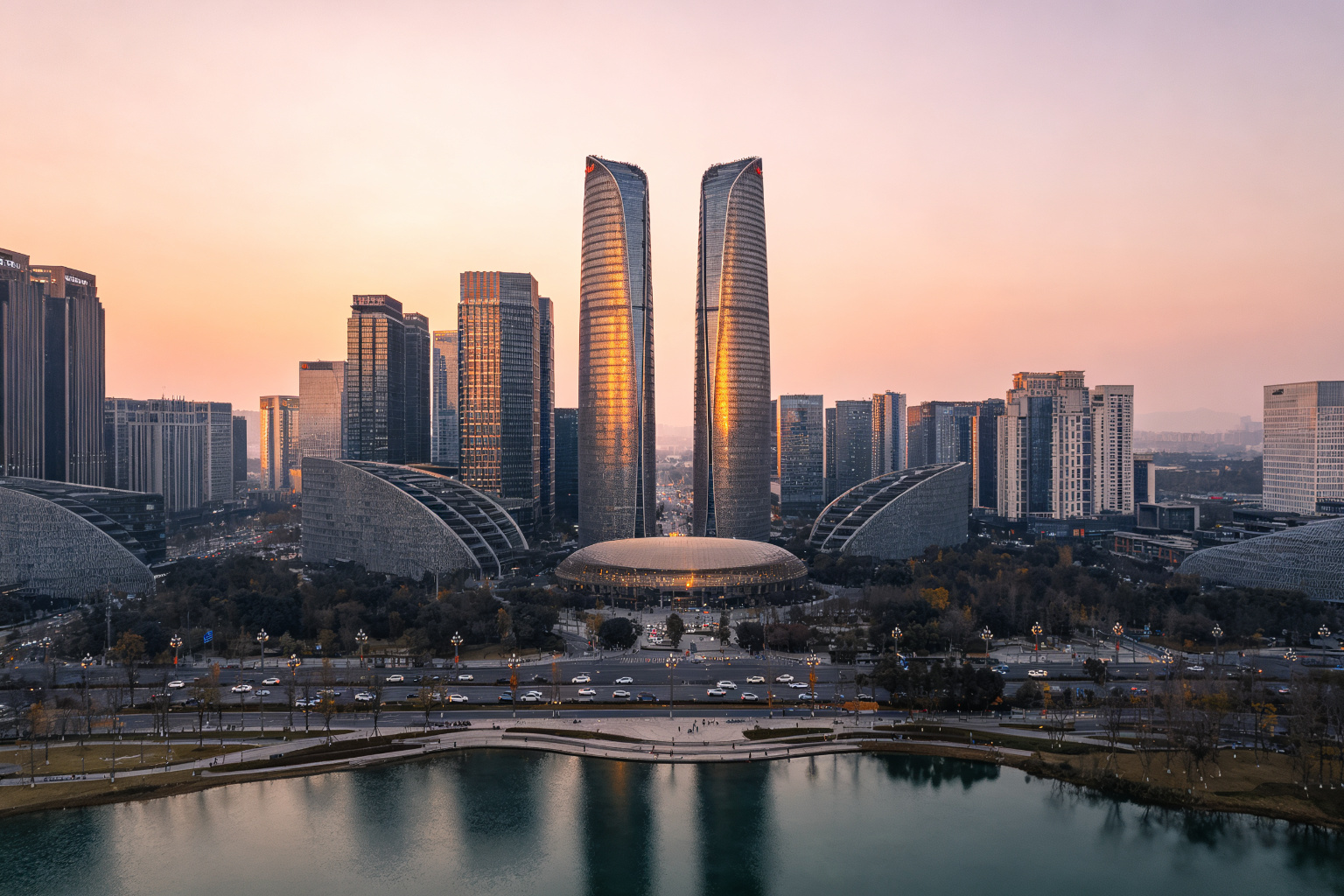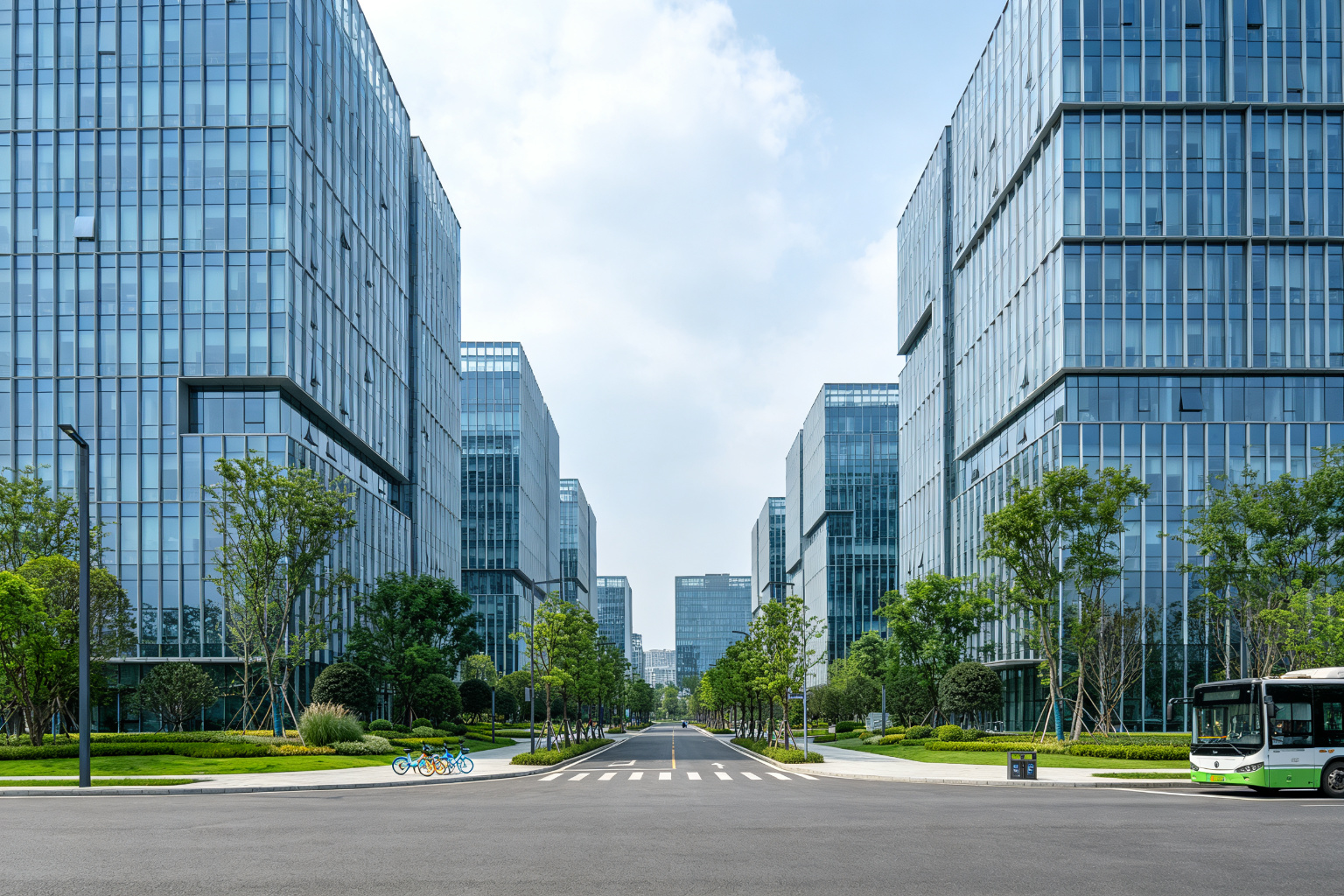
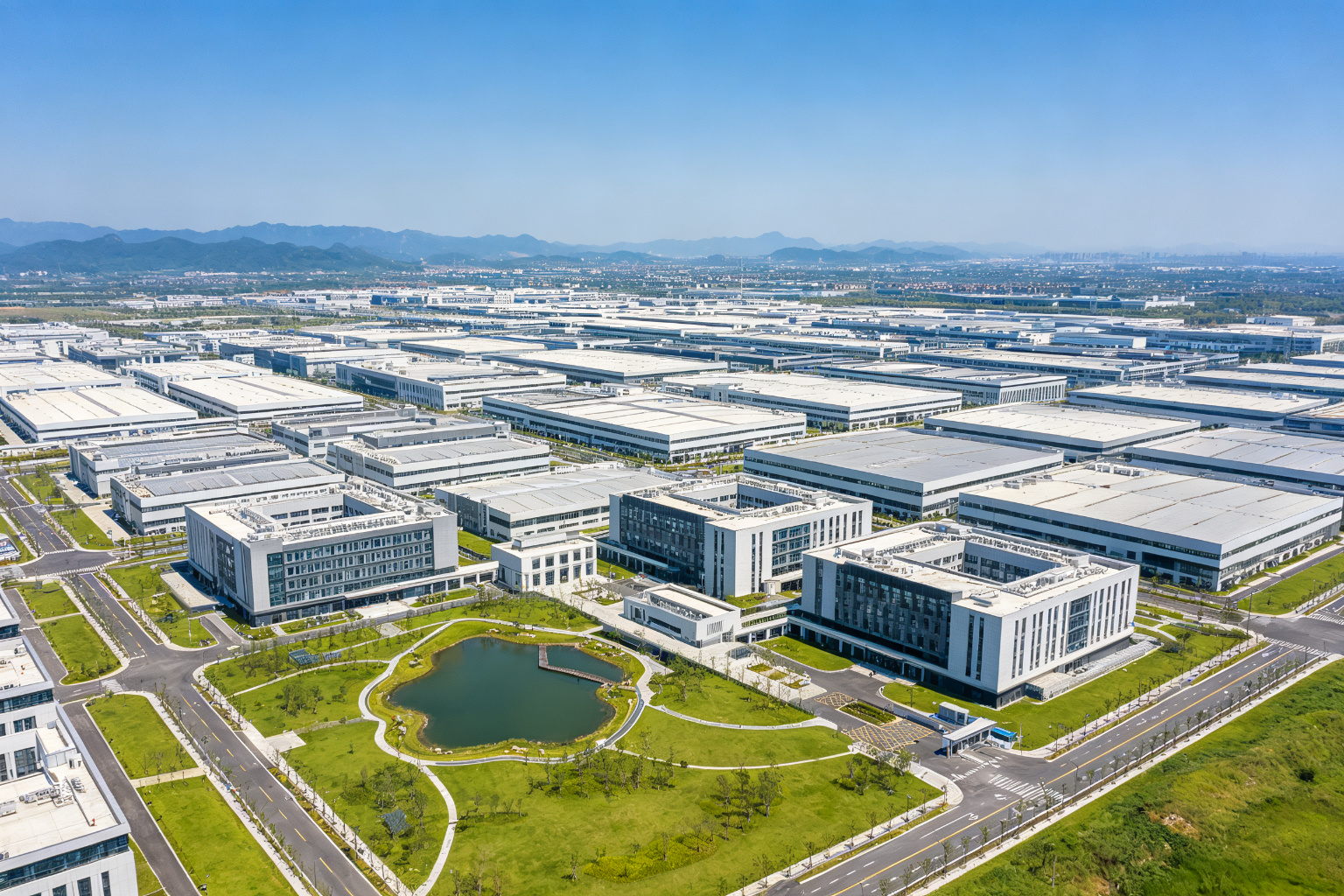
Chengdu does not have a single industrial estate: it has a layered system of national-level development zones, provincial parks and specialised clusters, each with its own focus, incentives and tenants. Choosing the right park is one of the most consequential early decisions for a foreign manufacturer or R&D centre. The wrong address can mean missed tax incentives, longer customs clearance and an awkward commute for your team. The right one can mean ready-built plants, a shared test centre and a friendly district investment officer.
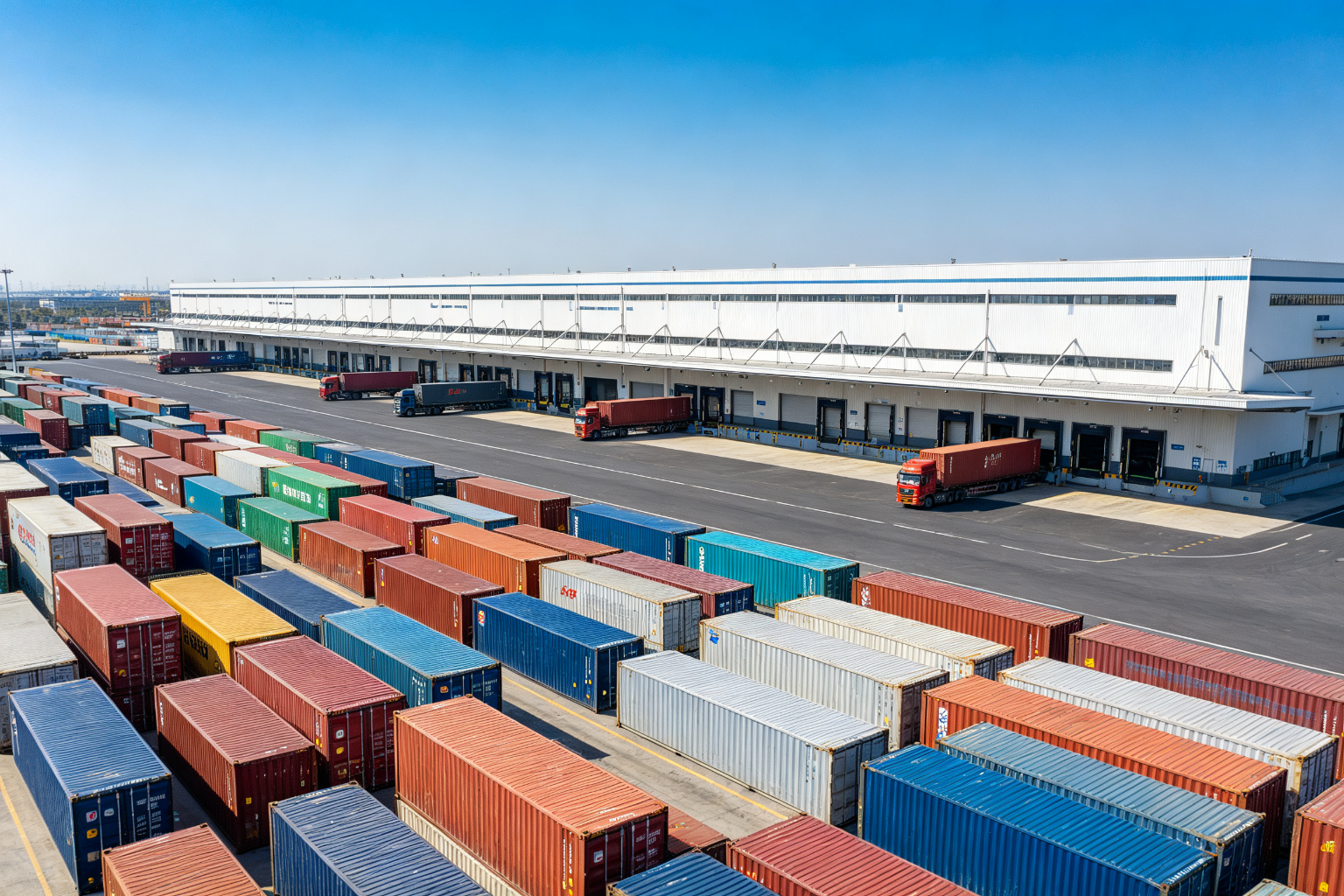
Broadly, R&D and headquarters functions cluster in the Hi-Tech Zone and Tianfu New Area. Heavy manufacturing and automotive supply chains sit in the eastern and northern belts. Biomedical and food processing occupy their own specialised parks. Cross-border logistics and bonded operations concentrate near the airports and the FTZ slices.
Major parks to know
- Chengdu Hi-Tech Zone (Gaoxin): electronics, software, games, biopharma R&D, headquarters.
- Tianfu New Area / Tianfu Science City: new-generation IT, aerospace, cross-border finance, research institutes.
- Chengdu Economic and Technological Development Zone (Jingkai / Longquanyi): passenger vehicles, new energy vehicles and automotive parts.
- Qingbaijiang International Railway Port: China-Europe freight trains, bonded logistics, cross-border e-commerce.
- Shuangliu and Wuhou biomedical parks: medical devices, innovative drugs, TCM modernisation.
- Pidu and Xinjin specialised parks: machine tools, furniture and light manufacturing.
Practical Information
- Address: each park has its own investment promotion centre; list is updated on the Chengdu government investment portal.
- Transport: northern and eastern parks require taxi or company shuttle; metro access is improving but not universal.
- Opening Hours: park management offices 09:00-17:00 weekdays; standard plant tours by appointment.
- Cost: standard factory rent typically ranges broadly from low single digits to mid double-digit RMB per square metre per month, depending on park and build-out.
- Tips: ask the park for the standard lease template and a list of existing tenants in your sub-sector. Existing neighbours are the best benchmark for real operating costs.
For foreign business visitors
Do not sign a memorandum of understanding on the first visit. Ask for three things in writing: the precise incentive package, the timeline for utility and road completion, and the names of at least two foreign companies already operating in the park. Park marketing is polished; verify delivery by reference calls. If your project involves imported equipment, ask whether the park is inside or outside the FTZ, because customs treatment differs.
Site-visit checklist
A useful site visit takes at least half a day. Ask the park to drive you around the existing tenant block, not just the empty plot. Look for signs of real operation: powered-on lights in factories, trucks loading at bays, canteens open at lunch. If a park shows you only showrooms and model apartments, treat the pitch with caution. Check utility capacity yourself: three-phase power supply, natural gas pressure, wastewater discharge permits and broadband fibre redundancy. For an industrial plant, ask whether the park has a bonded warehouse or a customs supervising point on site; that alone can save hours per shipment. Finally, drive the commute at rush hour from the nearest metro and from the nearest international school. A 40-minute door-to-door trip is acceptable in Chengdu; a 90-minute one will push expatriate turnover. If the park cannot show you an existing foreign tenant, that is a red flag, not a green field.