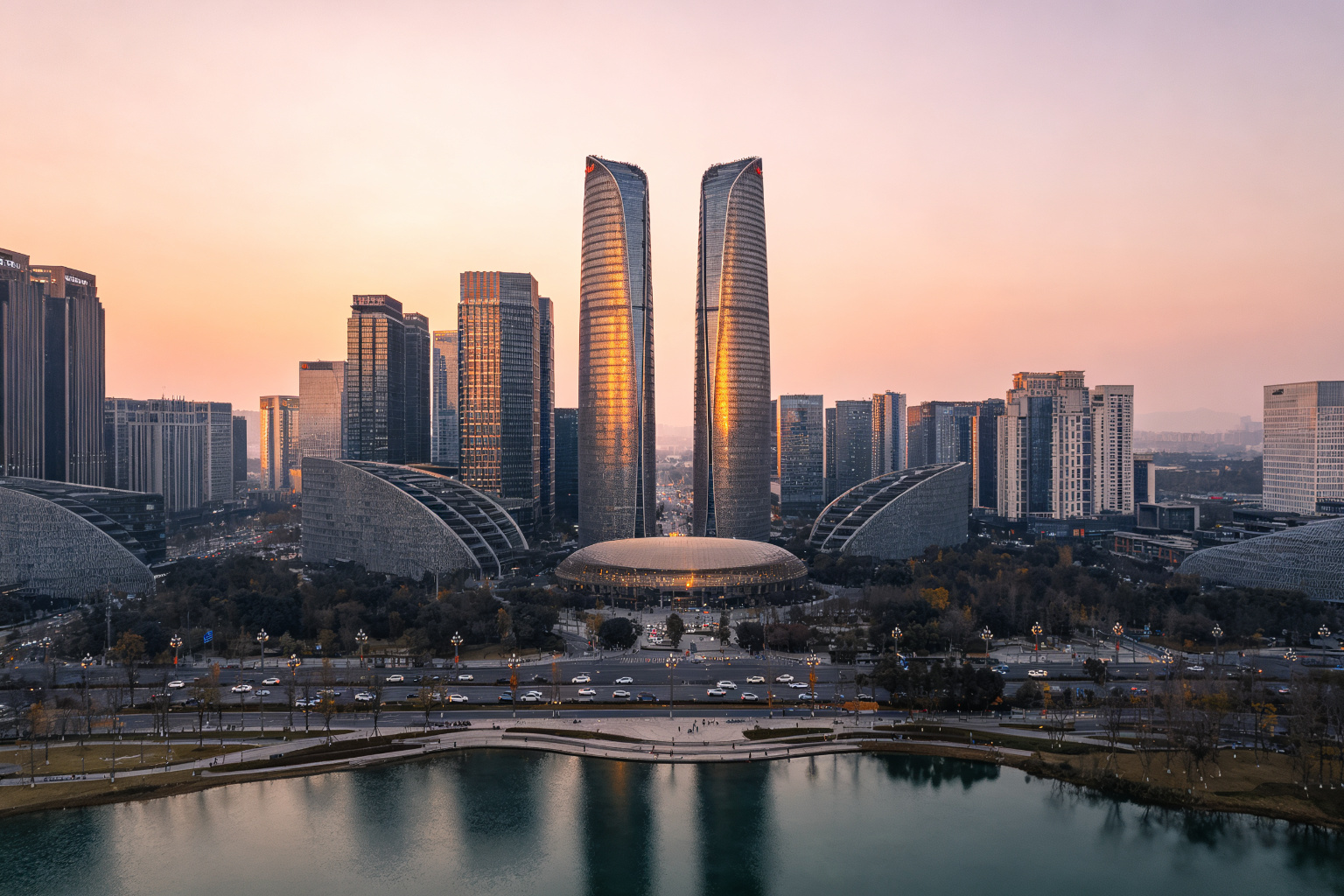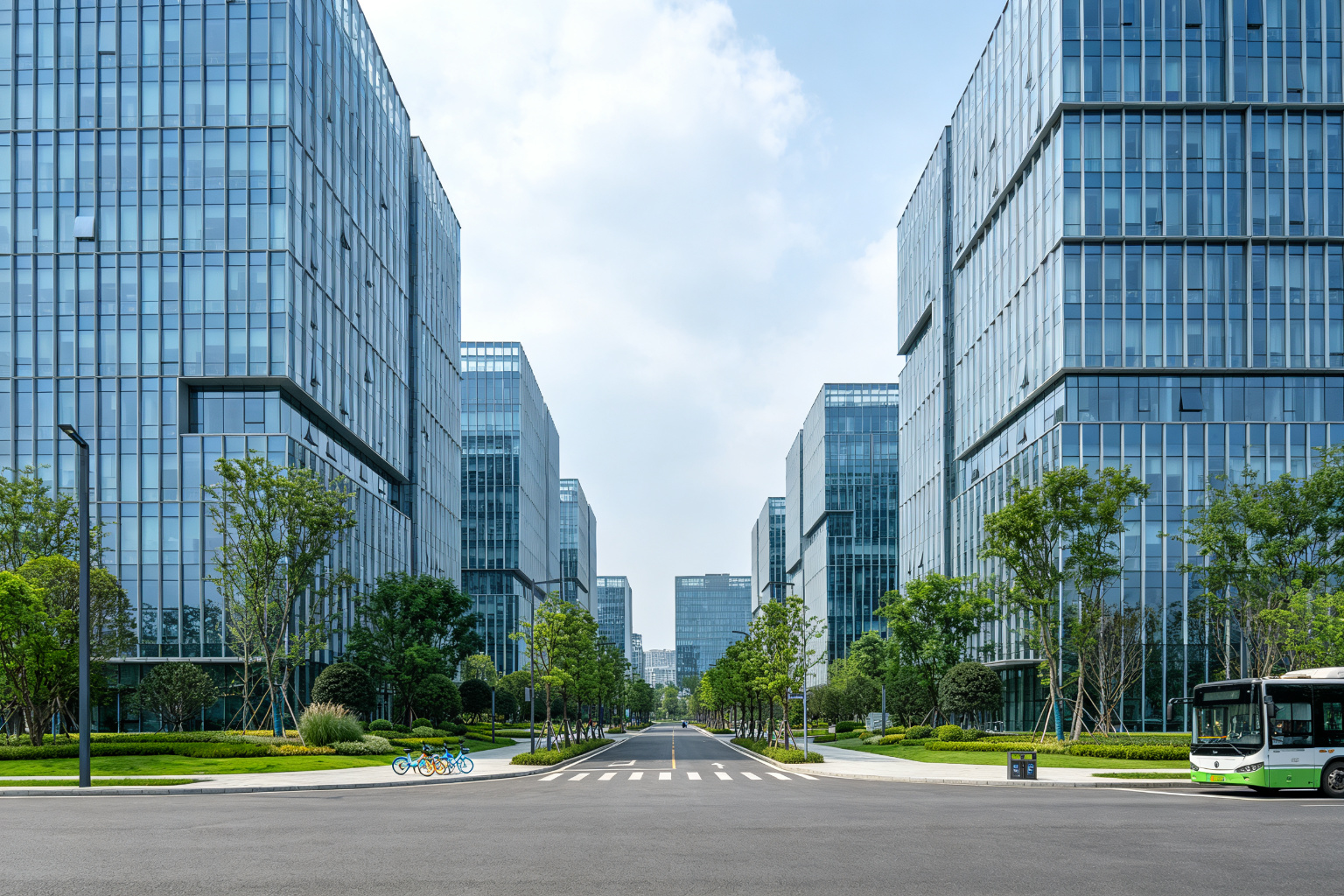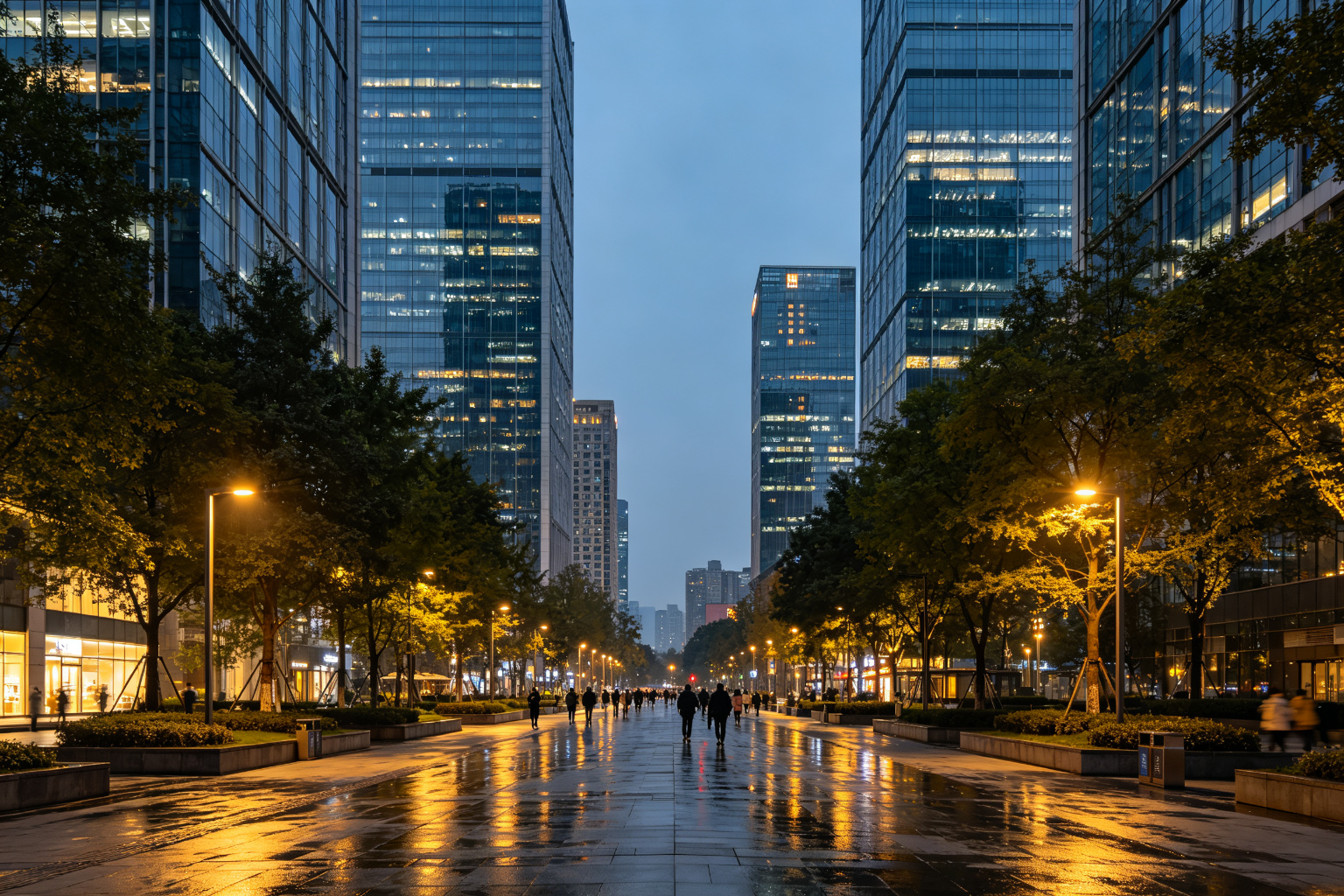
Launched in April 2017, the China (Sichuan) Pilot Free Trade Zone (中国四川自由贸易试验区, Sìchuān Zìmào Shìyànqū) is one of three dozen national pilot free trade zones in China and the only one serving the Sichuan-Chongqing inland economic circle. It is not a single walled compound: it spans three slices, two in Chengdu (Tianfu New Area and the Qingyang/Chengdu Hi-Tech area) and one in Luzhou on the Yangtze. Combined area is roughly 120 square kilometres, with most foreign-investor activity concentrated in the Chengdu slices.
The FTZ is where China tests reforms before rolling them out nationwide. For a foreign business, that means shorter negative-list of restricted industries, simplified cross-border RMB settlement, faster customs clearance for bonded logistics, pilot policies for cultural trade and easier market access in selected services. It is also the address many foreign companies choose on their business licence specifically to access these pilot measures.
What the FTZ actually offers
- Negative-list management: outside a published short negative list, foreign investment is treated on a national-treatment basis and filing replaces approval.
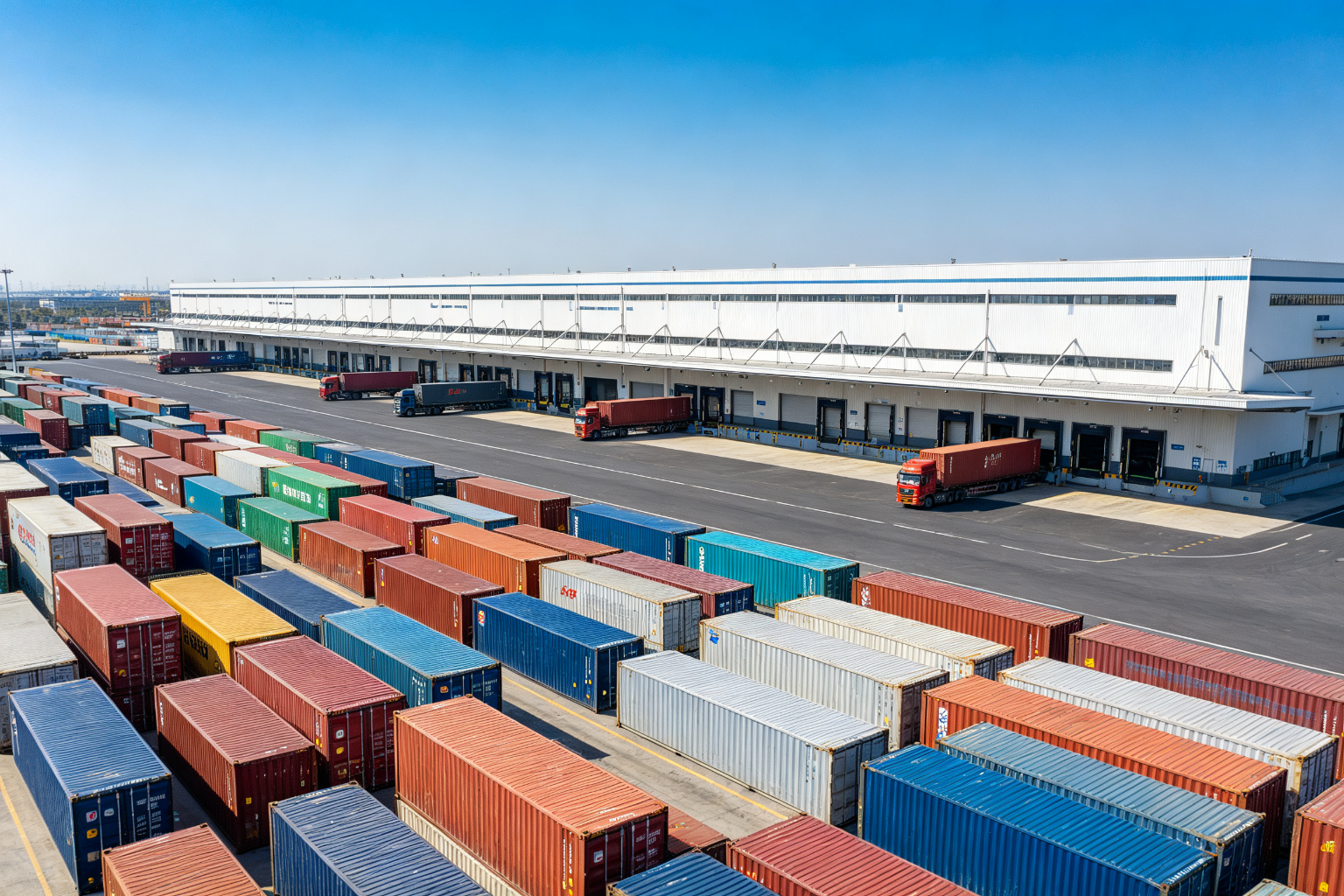
- Customs and bonded logistics: bonded warehousing, integrated regional customs clearance and simplified cross-border e-commerce procedures.
- Cross-border finance: pilot schemes for cross-border RMB pooling, foreign-exchange facilitation and overseas asset backing.
- Professional services opening-up: selected pilot access in legal, architectural, credit-rating and education services.
- One-stop services: integrated registration, tax and customs counters inside the FTZ service hall.
Practical Information
- Address: Chengdu slices around Tianfu New Area and the Hi-Tech Zone; the FTZ service hall is near the Tianfu New Area civic centre.
- Transport: Metro Line 1 to Tianfu Park or China New Town; allow 40 minutes from central Chengdu.
- Opening Hours: service hall 09:00-17:00 weekdays; customs counters extend into evening shifts for freight.
- Cost: standard registration filing has no government fee; agency fees for a full WFOE setup typically range widely and depend on complexity.
- Tips: confirm the exact policy window with the FTZ investment promotion bureau before quoting it in a board paper; measures are updated regularly and always subject to the latest official documents.
For foreign business visitors
The FTZ is best understood as a policy laboratory rather than a warehouse district. Use it if your plan involves cross-border capital, bonded imports, or access to restricted services. If you only need a domestic sales office, a normal business licence in the Hi-Tech Zone may be simpler. Always have a local lawyer or licensed agency read the specific pilot measure you want to use; marketing brochures overstate coverage. Tax incentives are generally national or provincial, not FTZ-specific, and are subject to annual policy review.
How a typical project uses the FTZ
A realistic foreign-invested project in the Sichuan FTZ usually looks like this: a trading company registers in the Tianfu slice to enjoy cross-border RMB pooling, a bonded warehouse operator uses the Qingbaijiang railway port slice for China-Europe rail freight, and a professional-services firm files in the Chengdu Hi-Tech slice to test permitted legal or architectural practice. The FTZ does not waive national taxes, nor does it allow any industry banned under the negative list. What it does provide is procedural simplification, pilot finance channels and a friendly one-stop window. If you are unsure whether the FTZ adds value to your plan, ask the FTZ service bureau for a written comparison against a standard registration; most foreign clients are surprised by how small the practical difference is outside the finance and logistics verticals.