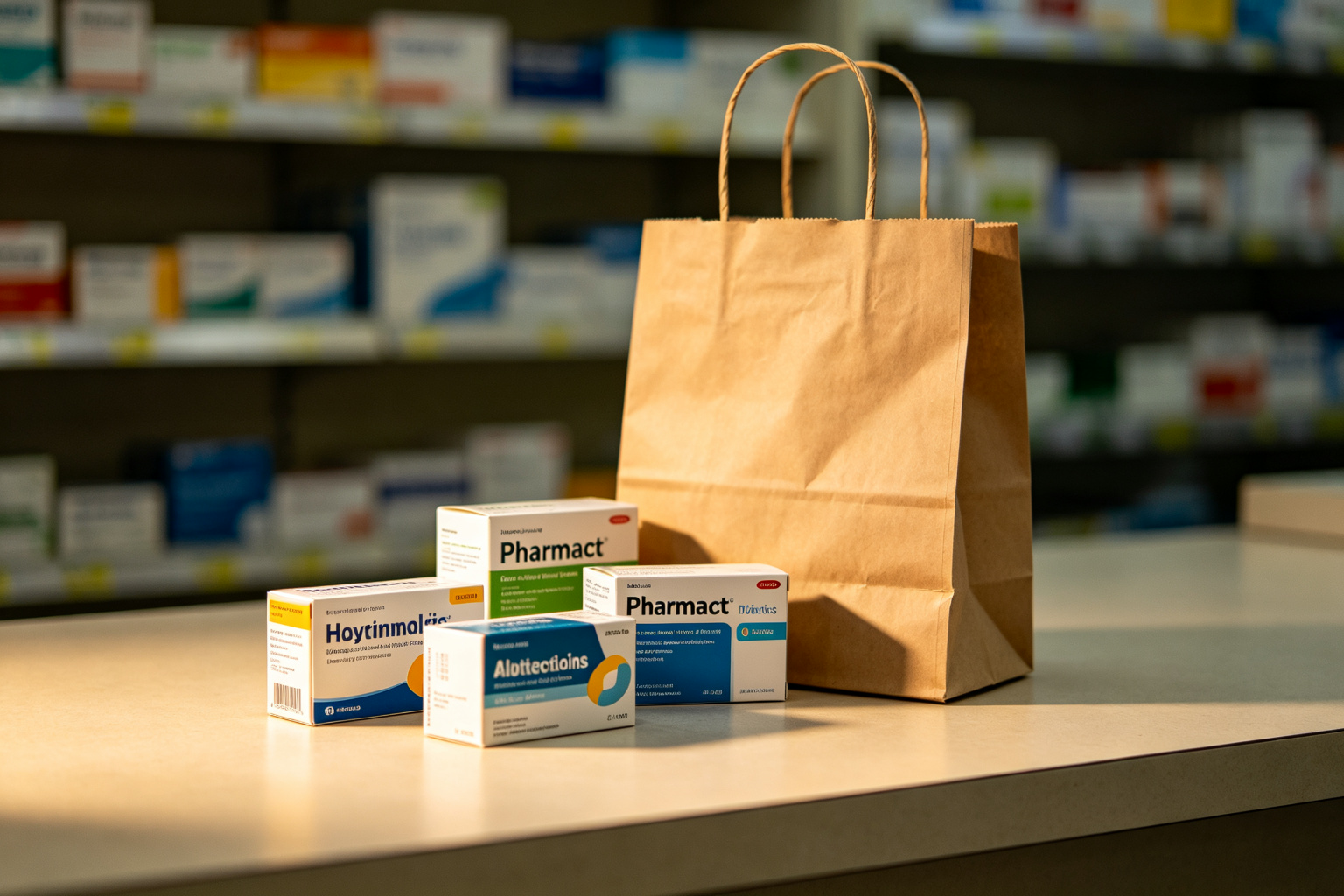
Shopping for medicine in China is convenient, but the rules are different from what you may be used to. Some medicines you buy over the counter at home require a prescription here, and some common Chinese cold remedies contain multiple active ingredients. This guide helps you buy medicine safely and avoid mistakes.
This is educational information, not medical advice. If you are unsure about a drug, your diagnosis, or interactions with your own medicines, ask a pharmacist (药师) or a doctor. Never take more than the recommended dose.
OTC vs Prescription in China
- Over-the-counter (OTC, 非处方药): Look for a red or green "OTC" logo on the box. These include mild pain relievers, antacids, some cold medicines, and vitamins. You can buy these freely on open shelves.
- Prescription drugs (处方药, chǔfāngyào): Antibiotics, stronger painkillers, chronic-disease medications, and many newer drugs are kept behind the counter. By law they require a doctor's prescription (处方, chǔfāng). Pharmacies may ask to see it or refuse to sell without it.
Important: do not demand antibiotics for a cold or flu. Antibiotics do not work on viruses, and overuse leads to resistance. A pharmacist or doctor should guide you.
Staying Safe with Combination Medicines
Chinese cold remedies often combine several ingredients - for example a pain reliever plus a decongestant plus an antihistamine. Stacking two such products with your own painkiller can cause an overdose.
- Read the ingredient list, or ask the pharmacist to read it to you.
- Show the pharmacist any medicine you already carry from home.
- Avoid taking two cold products at the same time unless a professional says it is safe.
- Follow the dose on the box; do not double up "for faster effect."
Practical Information
- Where: Pharmacies (药店) are everywhere; hospital pharmacies fill prescriptions but usually only for visits made at that hospital.
- How to ask: Show a photo of your usual medicine, or describe the symptom simply ("headache," "diarrhea," "cough"). The pharmacist will suggest an appropriate product.
- What to bring: Passport is usually not needed for OTC purchases; for controlled items, bring ID. Keep your home medicine list on your phone.
- Cost: OTC medicines are very affordable; prescription drugs vary. Ask for the price before confirming and request a receipt.
- Tips: Keep the box so you can look up ingredients later. If you develop a rash, breathing trouble, or unusual symptoms after taking medicine, stop and seek medical help. This guide is for orientation; always follow the prescribing doctor's instructions.
Safe Medication Habits for Travelers
Chinese pharmacies are convenient, but convenience should not replace caution. Always read the generic ingredient name, not just the brand, and compare it with medicines you already carry. Many combination cold remedies stack several active ingredients, so taking two at once can overdose on the painkiller component. If you take prescription drugs at home, bring enough for the whole trip plus an extra week, and carry the original box so a local pharmacist can compare ingredients.
- Ask the pharmacist to write the dosage in your phone or on the box in clear numbers.
- Do not share prescription medicines with other travelers; reactions and interactions differ.
- Store medicines away from heat and sunlight; Chengdu summers are hot and humid.
- Dispose of leftover antibiotics properly; never keep them for the next illness without a fresh diagnosis.