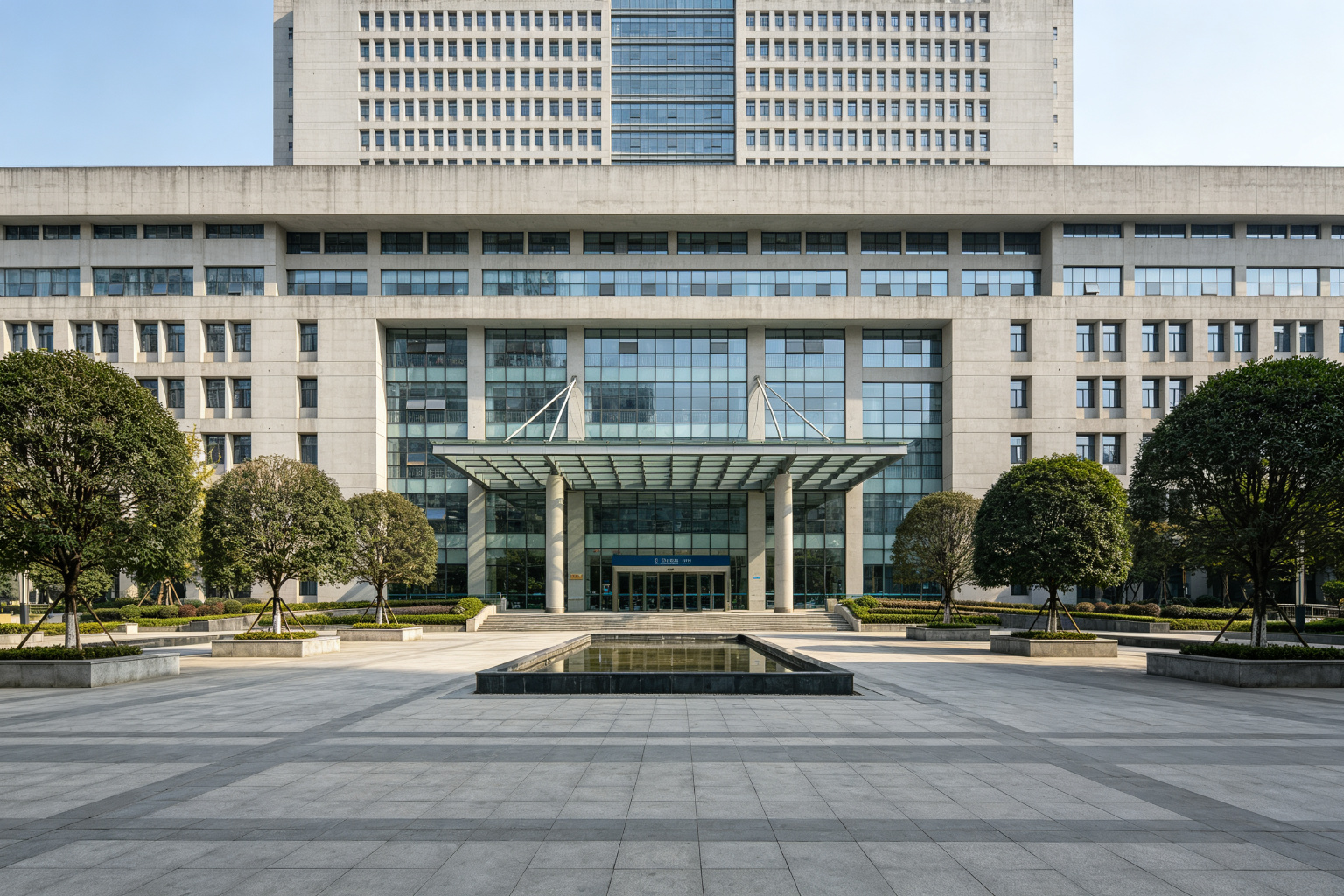

Understanding medical insurance (医保, yībǎo / 医疗保险, yīliáo bǎoxiǎn) in China is one of the most practical things you can sort out as a resident or long-stay visitor. China has a public social insurance system for its residents, plus a thriving private insurance market. Foreign visitors almost always rely on their travel or expatriate insurance, and a few employers cover local social insurance.
This guide explains the basic structure, what it means for you, and how to handle billing and claims. It is general information, not legal or insurance advice; always read your own policy.
The Three Layers
- Public social medical insurance (社保医保): This is tied to employment or household registration and covers Chinese residents. Most short-term foreigners cannot use it directly, although some employers enroll their foreign staff under policy rules. It is not something you buy at a pharmacy.
- Travel / expatriate insurance: This is what nearly every foreign visitor uses. A good travel insurance plan covers emergency treatment, hospitalization, emergency evacuation, and often outpatient visits abroad. Check the policy before you travel.
- Local commercial insurance: Chinese commercial insurers offer policies that cover both residents and some expatriates living long-term, often with direct billing networks in major cities like Chengdu.
How Billing and Claims Usually Work
In most Chinese hospitals, patients pay first and claim later:
- Pay on the spot: At registration and after each service, you pay by cash, Chinese mobile payment, or bank card. Keep every receipt and the itemized invoice (发票, fāpiào).
- Ask for documents: For an insurance claim you typically need the itemized bill, diagnosis certificate, discharge summary (if admitted), and copies of prescriptions.
- Direct billing: A few international clinics and VIP departments have direct-billing agreements with international insurers. Ask before you book.
- Submit to your insurer: Within your policy's time limit, send the documents, claim form, and your bank details. Reimbursement usually arrives in weeks.
If you are in an accident or emergency, treatment comes first - do not delay calling 120 to sort out insurance.
Practical Information
- Before you travel: Check that your policy covers Chengdu / China, the activity you plan (e.g., hiking, diving), and any pre-existing conditions. Save the insurer's 24-hour assistance number.
- At the clinic: Show your insurance card or policy number; ask whether direct billing is available. Otherwise pay and keep receipts.
- Cost expectations: Public hospital visits are inexpensive by international standards; international clinics charge more. Emergency ambulance use is billed but usually modest compared with Western countries.
- Tips: Photograph every receipt and email it to yourself. Note the insurer's claims email and hotline in your phone. If in doubt about coverage for a specific treatment, call the insurer while still at the hospital. This article is general orientation; your policy terms always govern.
Claim Checklist After a Doctor Visit
Reimbursement problems usually come from missing paperwork, not from the treatment itself. Within a day of any paid visit, photograph every receipt and forward them to yourself, then collect the specific documents your insurer lists: an itemized invoice, a diagnosis certificate stamped by the hospital, and if you were admitted, a discharge summary. Keep a small folder (paper or digital) with your policy number and the 24-hour assistance line.
- Call your insurer while you are still at the hospital if a procedure is expensive and coverage is unclear.
- Translate Chinese diagnosis notes with an app but keep the original Chinese copy; insurers often require both.
- Submit the claim online as soon as you return home, because policies have strict filing deadlines.
- Small outpatient bills are often not worth claiming; save receipts mainly for emergency, admission, or imaging costs.