When something goes wrong abroad, knowing the right number is half the battle. In China there are four core emergency numbers every visitor should save in their phone before they need them: 120 for medical emergency and ambulance, 110 for police, 119 for fire, and 122 for traffic accident police. This guide explains how each one works in Chengdu and how to call effectively.
This is practical orientation only; it cannot replace emergency services. If someone is seriously hurt, do not delay - dial immediately and answer the operator's questions clearly.
The Four Core Numbers
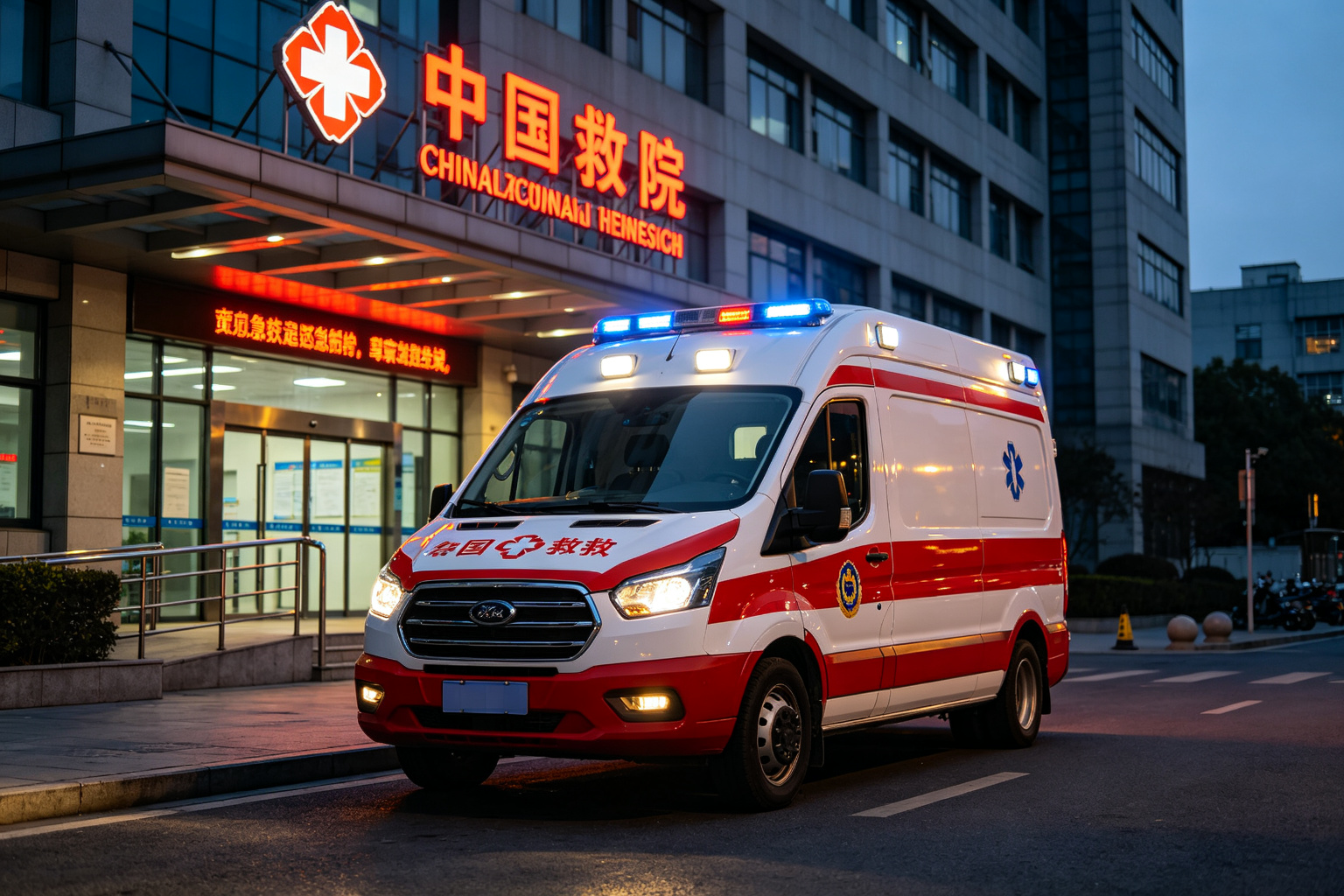
- 120 (急救, jíjiu): Medical emergency and ambulance service. Use this for chest pain, breathing difficulty, fainting, severe bleeding, major injuries, stroke symptoms, or a sudden serious illness. An ambulance will be dispatched to your location.
- 110 (报警, bàojǐng): Police. Use for crimes, theft, lost passport, fights, safety threats, or to report a person in distress.
- 119 (火警, huǒjǐng): Fire. Use for fires, smoke, trapped people in a building, or chemical-related emergencies.
- 122 (交通事故, jiāotōng shìgù): Traffic police / road accident reporting. Use for car crashes, dangerous road incidents, or to request police at a traffic scene.
In a true life-threatening situation, start with 120 for medical help. If a crash also needs traffic police and an ambulance, call both 122 and 120. All four numbers are free to dial from any phone, including a locked mobile, and usually work from a hotel phone.
How to Call 120 Effectively
The operator usually speaks Mandarin. Speak slowly and clearly. Cover these points in order:
- Location: Say the building, street, district, and a landmark. If you are at a hotel, give the hotel name in Chinese. Use a map app to read the nearest cross street if possible.
- What happened: One or two simple phrases - for example, "heart attack" (心脏病发作, xīnzàngbìng fāzuò), "car accident" (车祸, chēhuò), "fall" (摔倒, shuāidǎo).
- Condition: Is the person conscious? Breathing? Bleeding?
- Callback number: Give your phone number in case the crew needs directions.
If you cannot speak Mandarin, keep the phone line open and use a translation app, or ask a Chinese bystander to help. Do not hang up until the operator tells you to.
Practical Information
- When to call: Call 120 immediately for chest pain, difficulty breathing, unconsciousness, severe bleeding, stroke signs (face drooping, arm weakness, slurred speech), major trauma, or severe allergic reactions. Do not wait for a routine clinic appointment.
- What happens next: The ambulance will transport you to the nearest appropriate hospital emergency department (急诊). You will register on arrival; bring your passport and insurance documents if someone else can bring them.
- Payment: Ambulance and emergency care are billed; carry a bank card and some cash. Your travel insurance may cover it - keep all receipts.
- Tips: Save the numbers now, before you need them. Show a Chinese-speaking friend your location in advance. If you are staying at a hotel, tell the front desk staff the situation and ask them to call on your behalf if language is difficult. This guide is for orientation; always trust emergency services in a crisis.
What Happens After You Call 120
When an ambulance arrives, the paramedics will assess you at the scene, stabilize any life-threatening issue, and decide which nearby emergency department can best handle your condition. You do not always choose the hospital yourself, but you can mention your preferred international clinic or hospital to the dispatcher if you are still able to speak. A companion should carry your passport, insurance card, and a list of current medications, because the emergency team will ask these immediately.
- Do not eat or drink if you may need surgery, unless the emergency staff instructs otherwise.
- Keep the ambulance receipt and every emergency-department receipt; they are required for insurance claims.
- If you speak no Chinese, hand the dispatcher your phone with a translation app open so a bystander can help.
- After discharge, request an English or bilingual discharge summary if the hospital offers one.