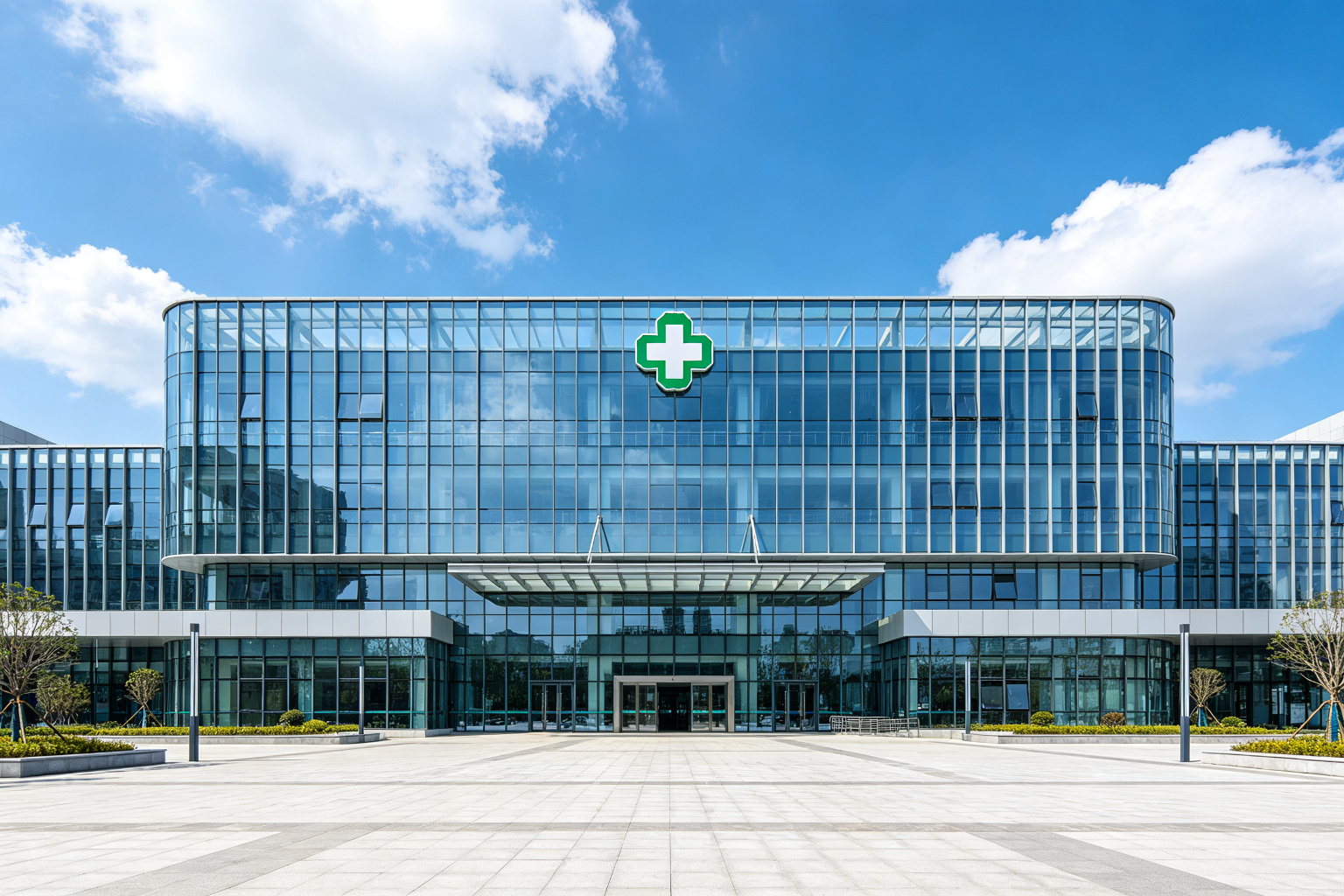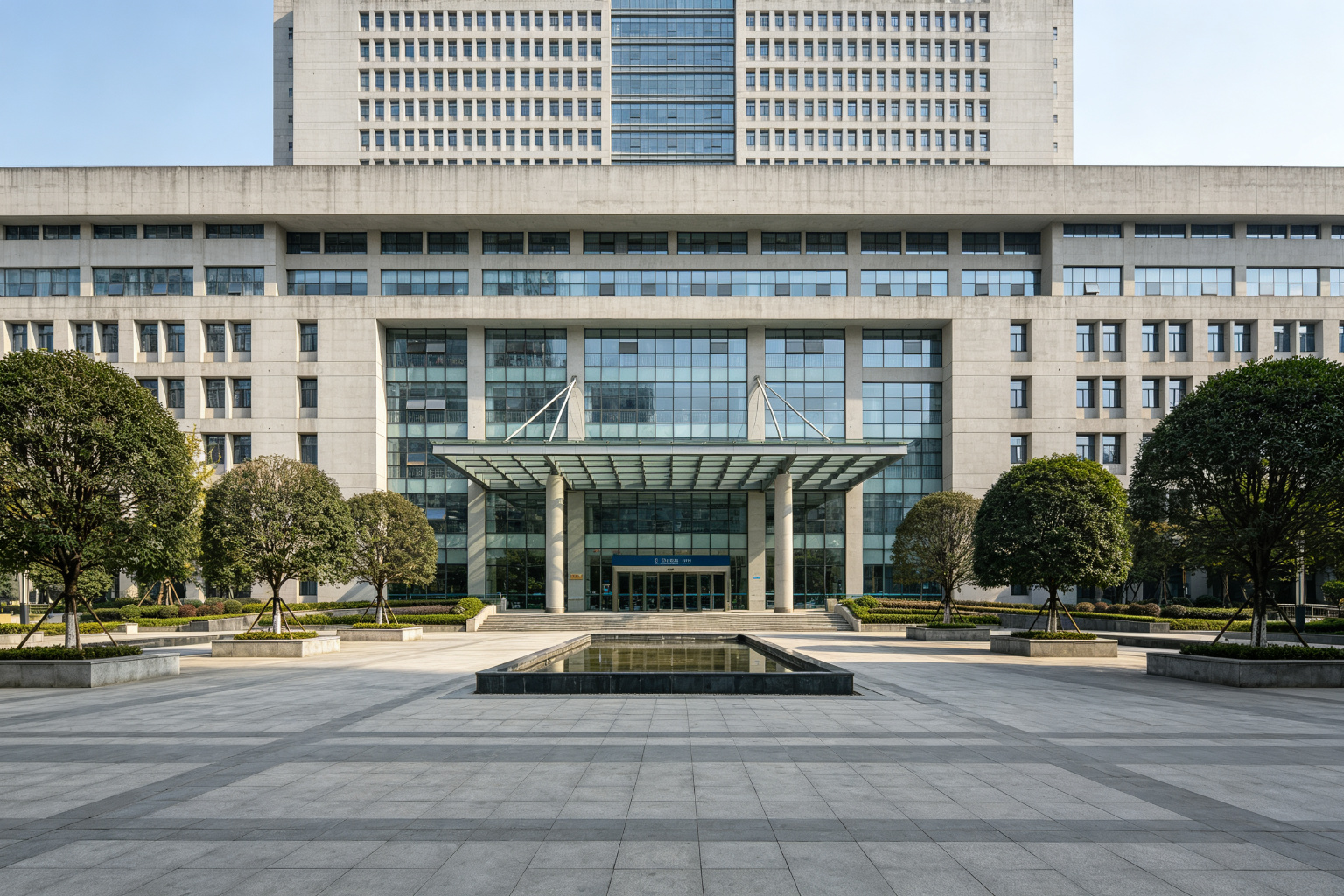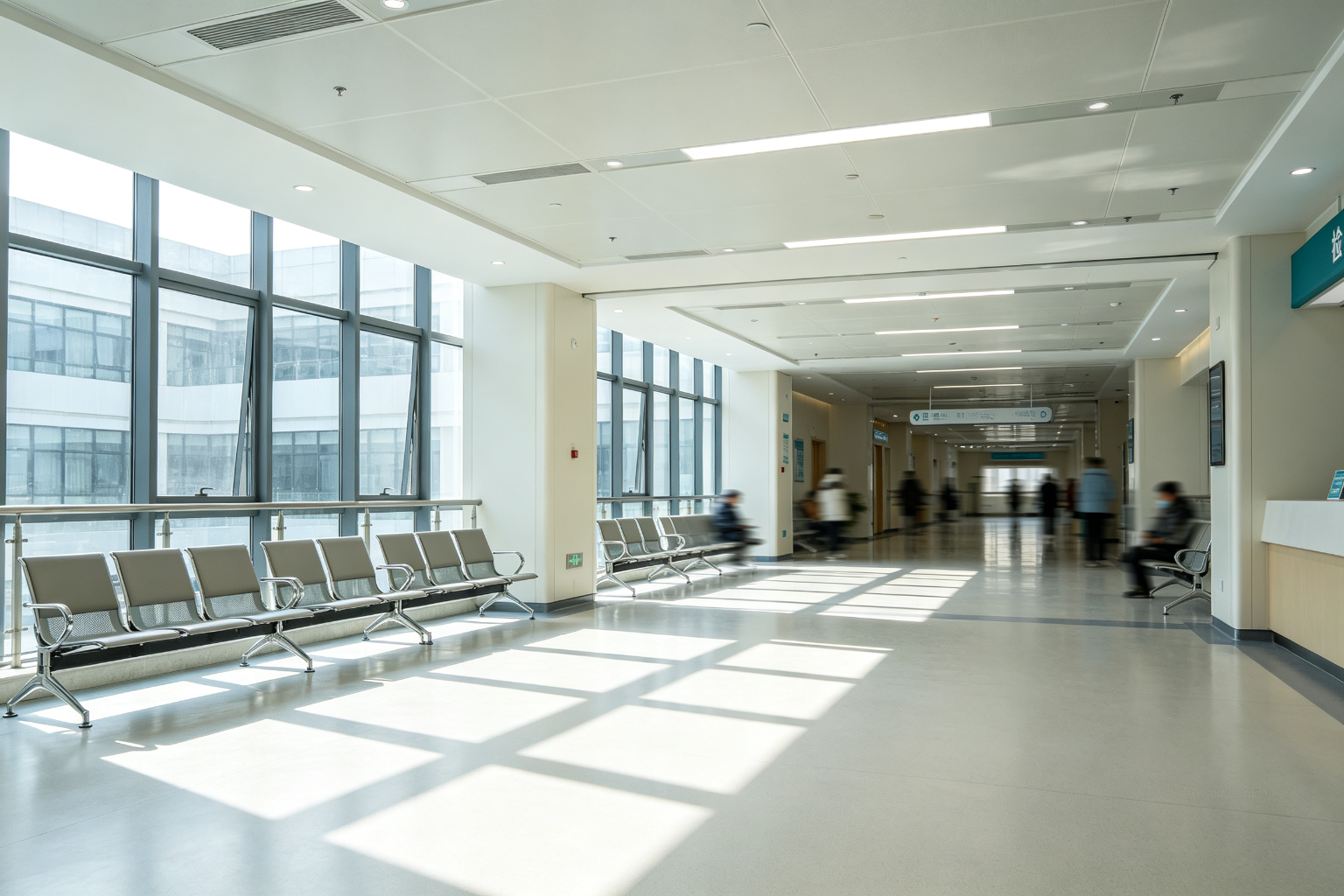
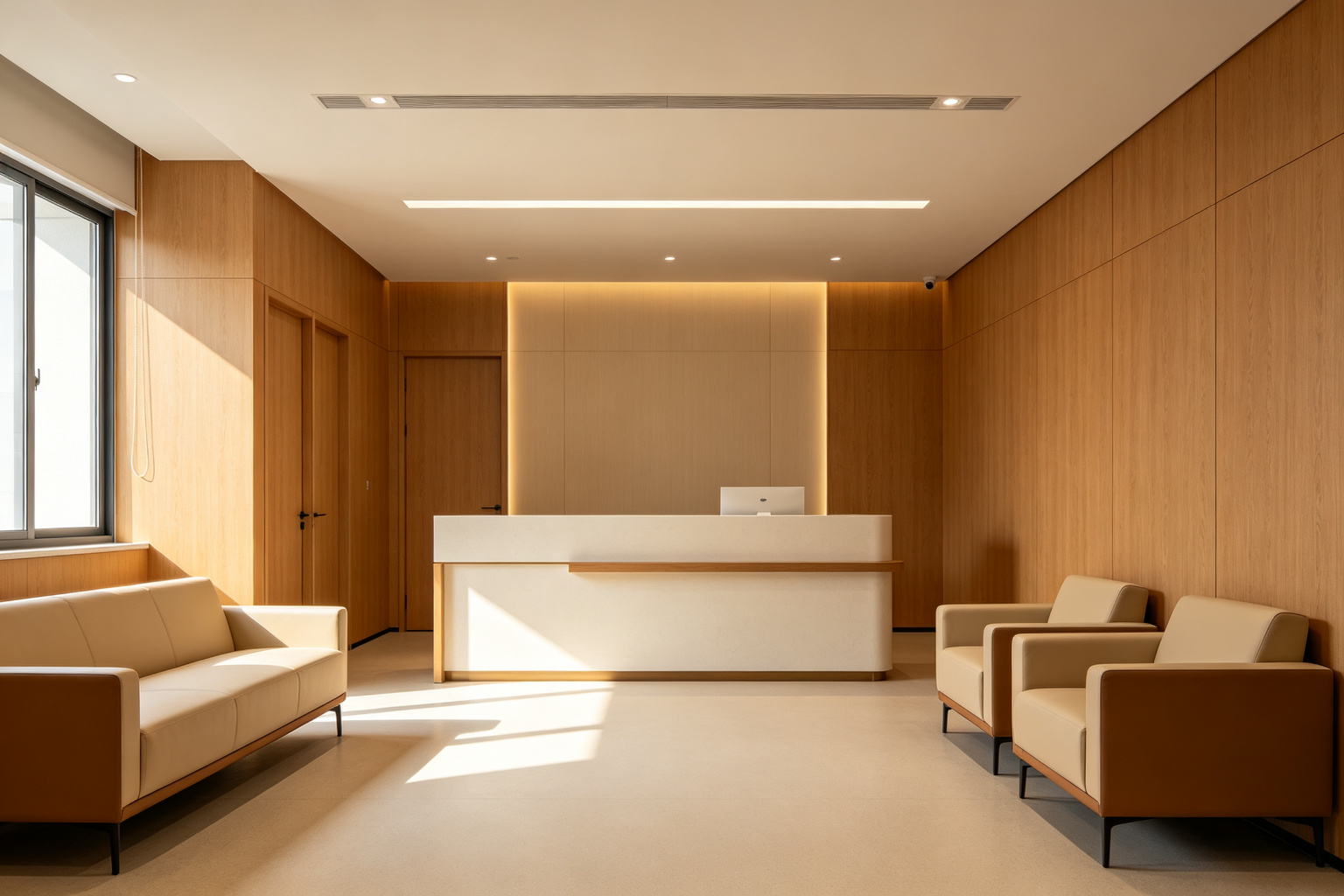
If you would rather avoid the language barrier and the crowds of a public hospital, Chengdu has a growing number of international clinics and international medical departments (国际医疗部, guójì yīliáo bù). These services cater to expatriates, business travelers, and tourists, with English-speaking doctors, shorter waits, billing in line with international prices, and sometimes direct billing with overseas insurance.
This guide helps you decide when an international clinic is worth it, what to expect, and how to prepare. Remember that this is general orientation; for any serious or sudden symptom, call 120 or head to a major hospital emergency department, because international clinics are usually not equipped for major trauma or surgery.
What an International Clinic Is
International clinics range from small boutique clinics in expat-friendly neighborhoods to dedicated wings attached to major public hospitals. The common advantages are clear:
- English communication: Doctors and nurses often speak English comfortably, and some clinics offer other languages. You can describe symptoms in detail without a translator.
- Longer consultations: Visits typically last 15-30 minutes, compared with the very quick average outpatient visit in a busy public hospital.
- Clean, quiet, comfortable environment: Hotel-style waiting areas, clear pricing, and appointment-based scheduling.
- Insurance support: Many work with international insurers and can provide invoices and claim forms; some even offer direct billing if your insurer has an agreement.
The trade-off is price: international clinics charge at international or near-international levels, so a routine visit may cost several times a standard public hospital consultation. For routine care, minor illnesses, vaccines, and peace of mind, this is often worth it.
When to Use One - and When Not To
Good for: colds and flu, stomach bugs, minor injuries, allergies, travel vaccines, routine check-ups, prescription renewals, and getting a familiar-style second opinion.
Not for: heart attack symptoms, strokes, major accidents, severe breathing problems, or anything that needs emergency surgery or intensive care. For those, call 120 or go directly to the nearest major hospital emergency department (急诊), where critical care capacity exists.
Practical Information
- Where to find them: International clinics cluster near expat residential and commercial areas such as the Gaoxin (High-Tech) zone, along Renmin South Road, and within major five-star hotels. Major public hospitals also run international outpatient departments; ask at the information desk.
- Transport: Most clinics are easiest by taxi or DiDi; give the driver the clinic name in Chinese and your hotel address.
- Opening hours: Many international clinics keep longer daytime hours and may offer same-day appointments; weekends and holidays vary, so call ahead.
- Cost: A consultation typically starts at a higher fixed fee, with tests and medicines billed separately. Expect to pay by card; ask in advance about cash, Alipay, WeChat Pay, and international insurance direct billing.
- Tips: Book by phone or app if possible. Bring your passport, your insurance card/policy, and a list of current medications and known allergies. Ask for an itemized invoice in English for claims. If your symptoms are serious, do not wait for a clinic appointment - use emergency services.
Choosing the Right International Clinic
Not every international clinic is right for every problem. Smaller walk-in clinics are ideal for a cold, a rash, or a medication refill, while clinics attached to major hospitals offer a safety net for problems that may require imaging or admission. Before booking, ask three questions out loud: which doctor will see you, whether the clinic can transfer you to a public hospital in an emergency, and whether they bill your insurer directly or require payment upfront.
- Telemedicine follow-ups are often cheaper than a second in-person visit once a diagnosis is stable.
- Vaccination records, allergy lists, and a short medical history in English speed up the first consultation.
- Ask about pharmacy on-site: some clinics dispense their own medicines, saving you a separate trip.
- For chronic conditions, choose a clinic where you can see the same doctor repeatedly rather than rotating staff.