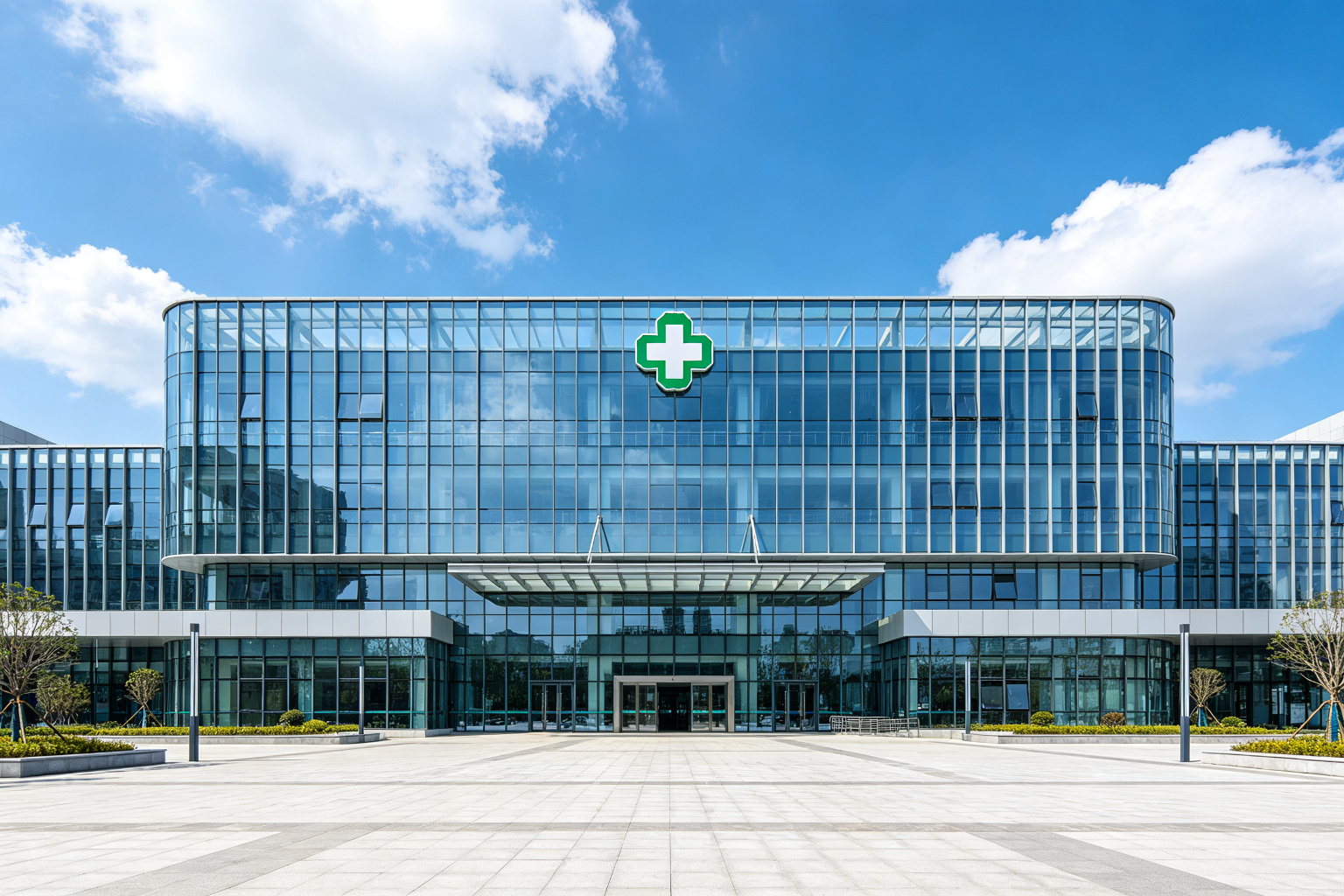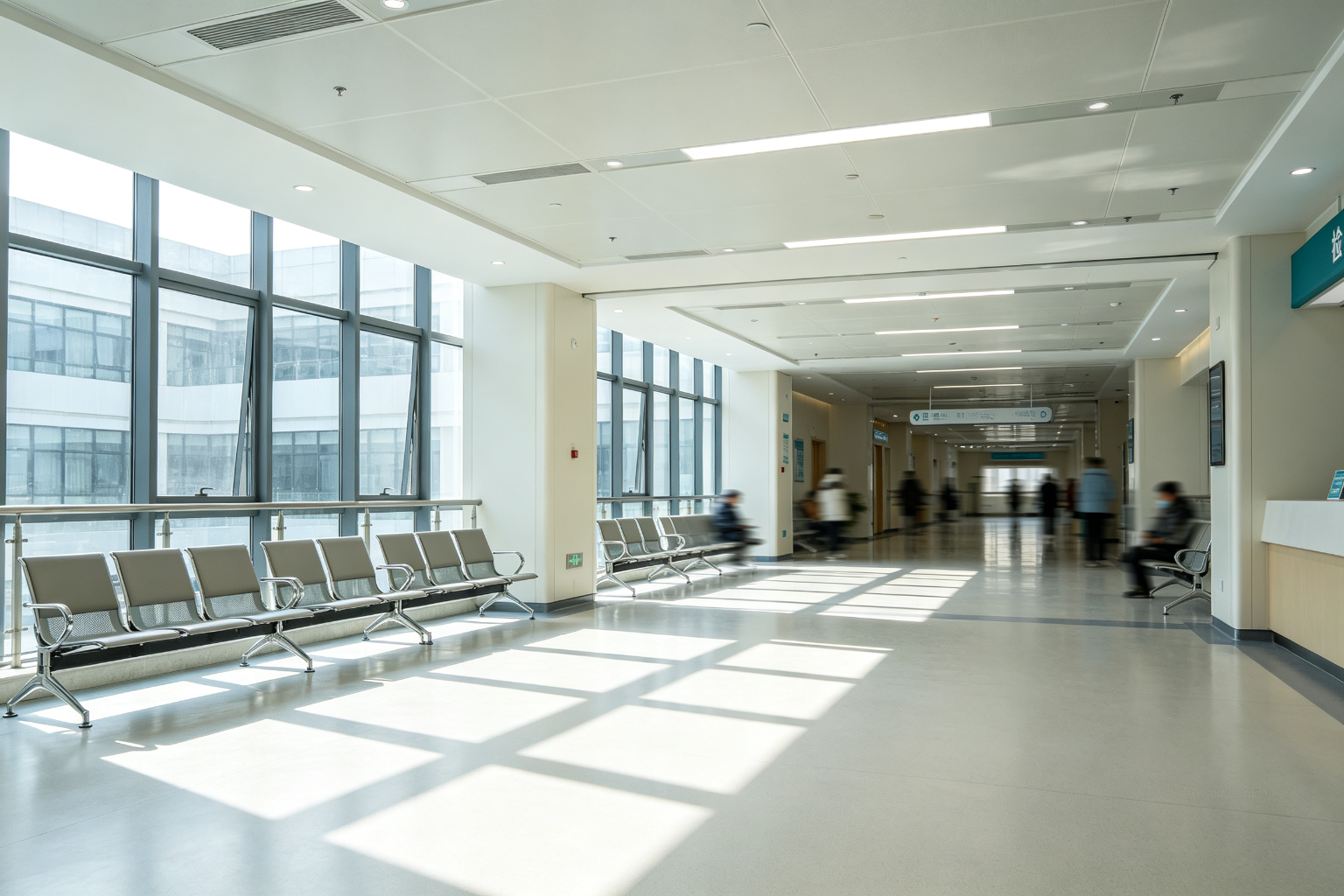
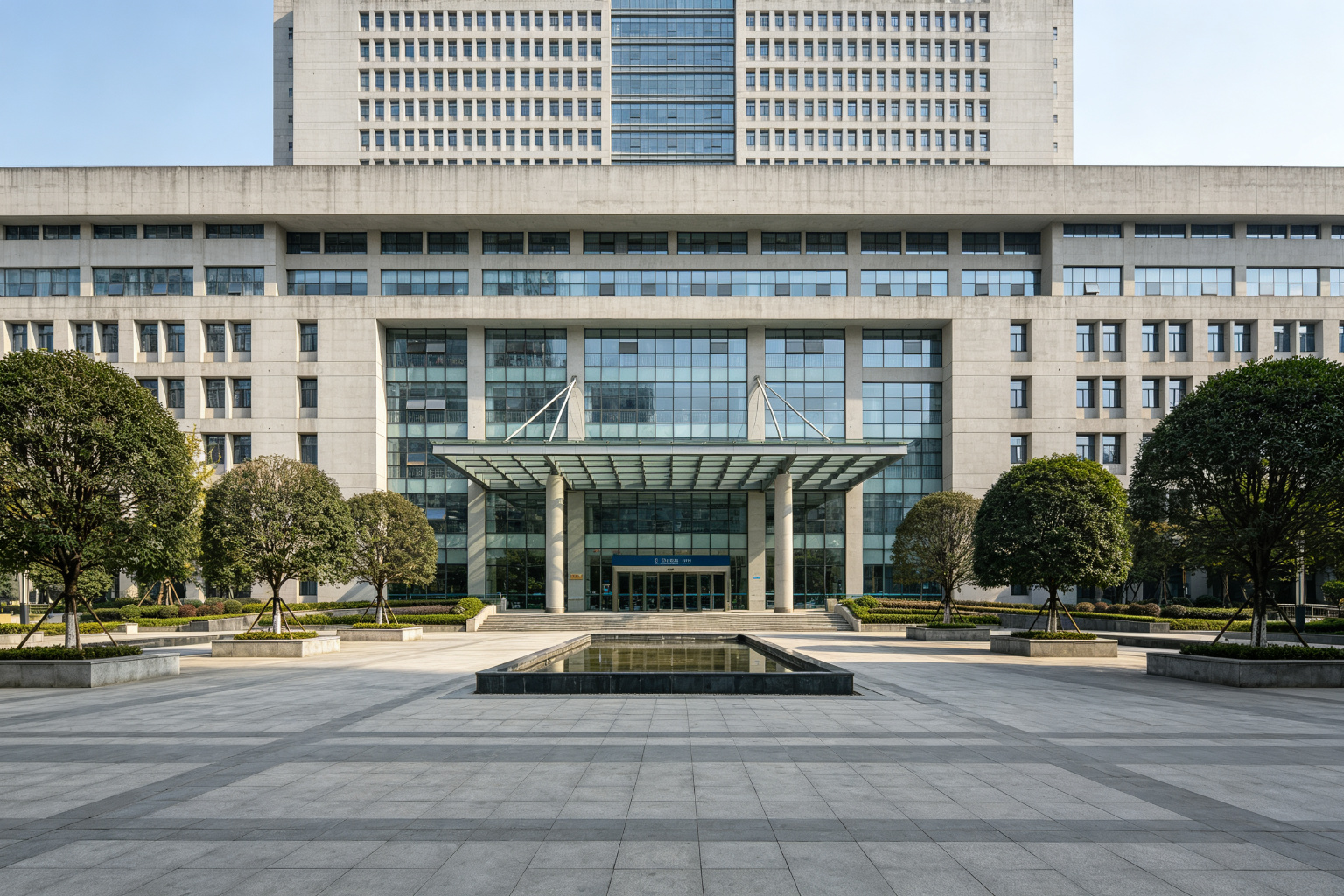
This guide covers what to expect, how to register with your passport, roughly what things cost, and how to get there. As always, this is orientation material, not medical advice; if your symptoms are severe or sudden, call 120 immediately.
What Kind of Hospital It Is
The provincial people's hospital system is the backbone of public healthcare in China. A provincial people's hospital typically combines general internal medicine, surgery, pediatrics, obstetrics and gynecology, ophthalmology, ENT, dermatology, and rehabilitation under one roof, plus dedicated emergency and intensive care. For a foreign visitor, this means you can handle most non-routine problems in a single visit without being shuttled between campuses.
Compared with the most famous national flagship hospitals, the provincial level often offers shorter waiting times, more routine experience, and a lower registration fee, while still providing high-quality care for common and moderately complex conditions.
Registering with a Foreign Passport
You do not need a Chinese ID card to be treated. Bring your passport and follow these steps:
- Go to the registration area (挂号处, guàhào chù), which is usually on the ground floor near the main entrance.
- Use a staffed window or a self-service kiosk. Scan or show your passport so the hospital can create a patient record number.
- Choose a department. If unsure, ask at the information desk: say the symptom in simple words and ask for the right科室 (kēshì, department).
- Pay the registration fee, keep the receipt and your passport, and proceed to the indicated floor and waiting area.
The hospital's WeChat official account also supports online registration for many services. If you have a serious or time-sensitive problem, head to the emergency department (急诊) directly instead of waiting for a routine outpatient slot.
Practical Information
- Address: Central Chengdu, near the Qingyang / Fuqin area; search the hospital name in your map app to get the exact gate and nearest metro exit.
- Transport: Several Chengdu Metro lines and bus routes serve the surrounding area; a short taxi or DiDi ride from central hotels is usually straightforward.
- Opening hours: Outpatient clinics roughly weekday 8:00-17:30; emergency department is open 24/7. Some specialist clinics run on specific mornings only, so check before you go.
- Cost: Registration starts at a few dozen yuan for a general clinic and rises for senior experts; basic blood tests, X-rays, and common medicines are generally affordable by international standards. Bring your insurance policy and ask for an itemized receipt (发票, fāpiào) for claims.
- Tips: Arrive before the outpatient clinic starts to beat the morning rush. Keep your passport on you at all times. If English is limited, prepare a short written note of your symptoms, duration, allergies, and current medicines. When in doubt about your condition severity, trust emergency care rather than routine appointments.
First-Visit Checklist for Provincial Hospitals
A smooth first visit starts before you arrive. In addition to your passport and insurance documents, bring a small notepad or your phone charged, because a provincial outpatient visit moves quickly and the doctor may not have time to repeat instructions. Bring any prior reports, scans, or discharge letters from your home country, even if they are in English; a radiologist or physician can still compare findings over time.
- Arrive 20-30 minutes before your slot to allow for the registration queue and the walk to the correct floor.
- If your passport photo page is laminated or scratched, bring a photocopy, because some kiosk scanners struggle with damaged pages.
- Ask for an itemized invoice (发票) at the billing window, not only a receipt, because insurance claims in your home country usually require it.
- Most provincial hospitals have a bilingual information desk or a volunteer service window on busy mornings; do not hesitate to use it.
- If you cannot finish all your tests in one morning, ask the nurse which report comes back first and whether you can collect results another day.