Sichuan is wonderful for food and scenery, but the local lifestyle - very spicy oily food, humid summers, dry heated winters, big temperature swings, and strong liquor - can take a toll on first-time visitors. This guide lists the most common complaints travelers report in and around Chengdu and explains how to handle them, with a clear line on when to see a doctor.
This is practical health information, not a diagnosis. If you develop severe symptoms, persistent fever, dehydration, or trouble breathing, seek care and call 120 if needed.
The Most Common Complaints
- Spicy food upset / "hot pot stomach": Heartburn, diarrhea, or stomach pain after Sichuan peppercorn and chili dishes. Start gently, drink rice porridge (粥, zhōu) and warm water, and avoid mixing spicy food with strong alcohol.
- Heat and humidity (summer): Prickly heat, mild heat exhaustion, and dehydration. Carry water, use air conditioning sensibly, and rest at midday.
- Dry cold air (winter): Sore throat, dry nose, cough, and chapped skin. Use a humidifier indoors, drink warm fluids, and apply lip balm and moisturizer.
- Altitude (western Sichuan): When you travel to Tibetan areas, altitude headache, breathlessness, and nausea can appear. Ascend gradually, avoid alcohol on the first day, and descend if symptoms worsen.
- Jet lag and fatigue: Rest, hydration, and daylight exposure help more than supplements.
- Colds and flu: The huge indoor-outdoor temperature swings (cold outside, hot heated rooms inside) favor respiratory infections. Layer clothing.
Prevention and Self-Care
- Eat gradually: On your first days in Chengdu, choose milder dishes before trying the spiciest hot pot.
- Hydrate: Tap water is not typically drunk; bottled water is cheap everywhere.
- Wash hands and use hand sanitizer before eating street food.
- Bring a basic kit: pain relievers, oral rehydration salts, antidiarrheal medicine, bandages, and any prescription drugs you use.
- Rest: Sichuan travel is active; schedule recovery time.
Practical Information
- When to self-treat: Mild upset stomach, runny nose, or a low-grade fever can usually be managed with rest and OTC medicines from a pharmacy.
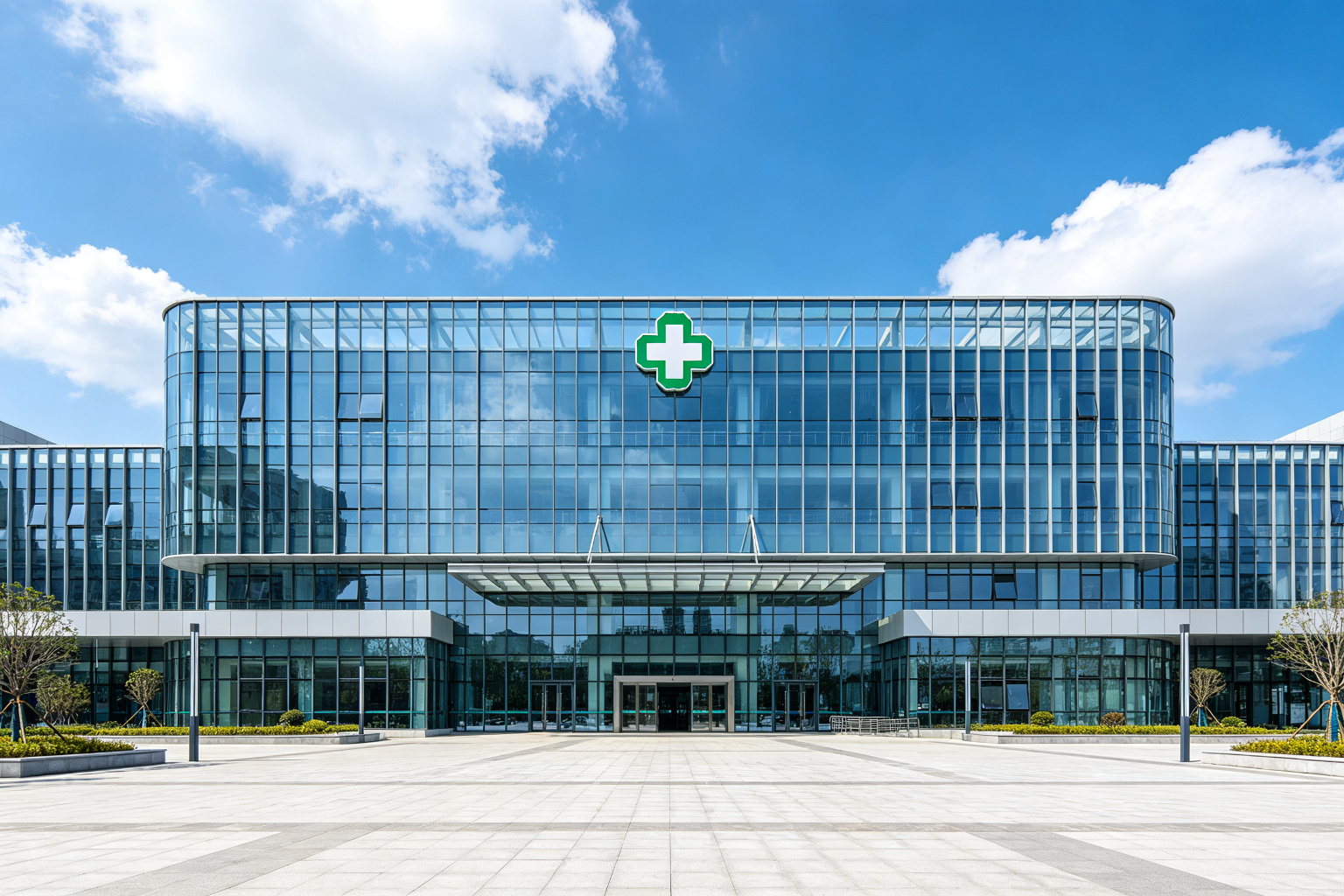
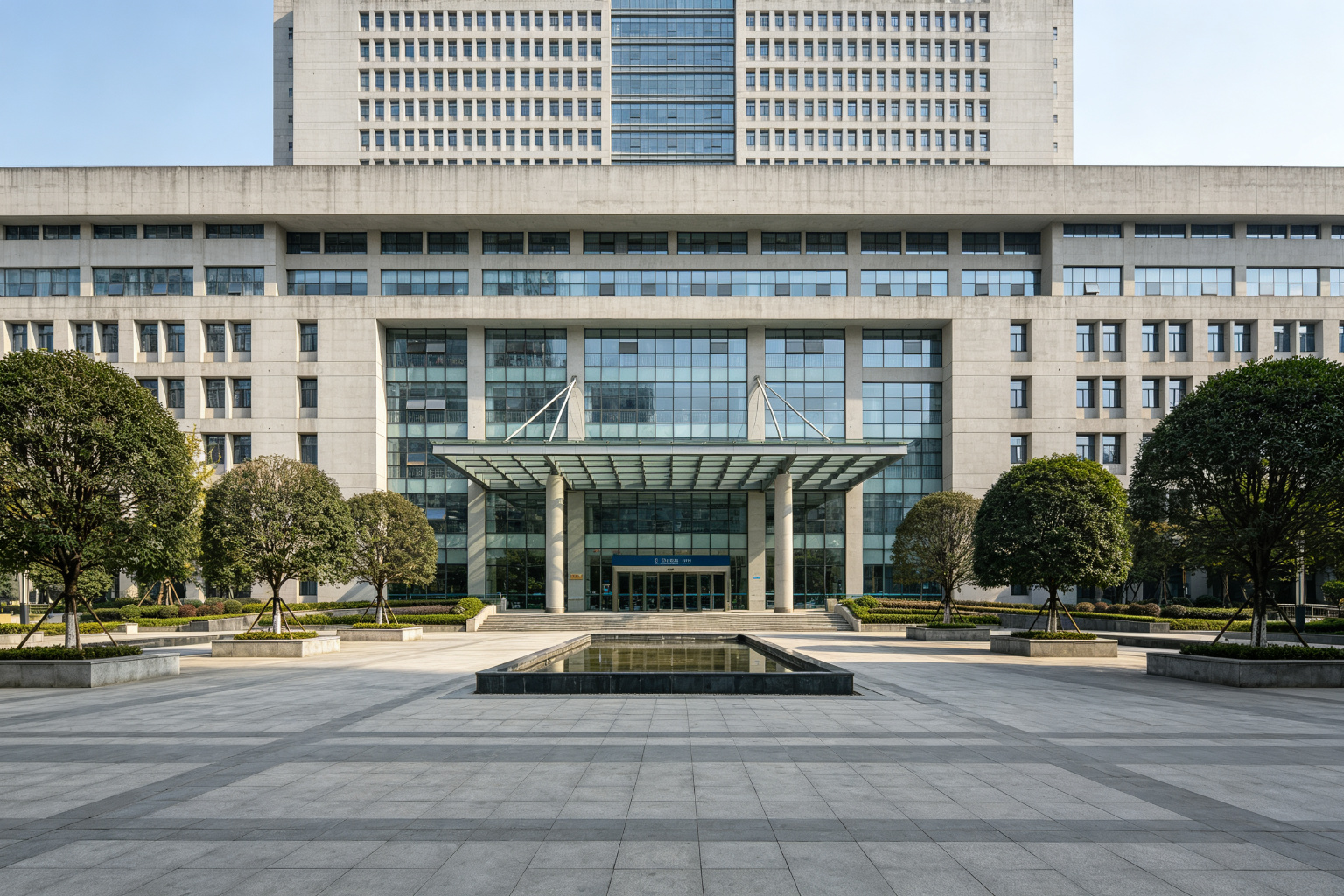
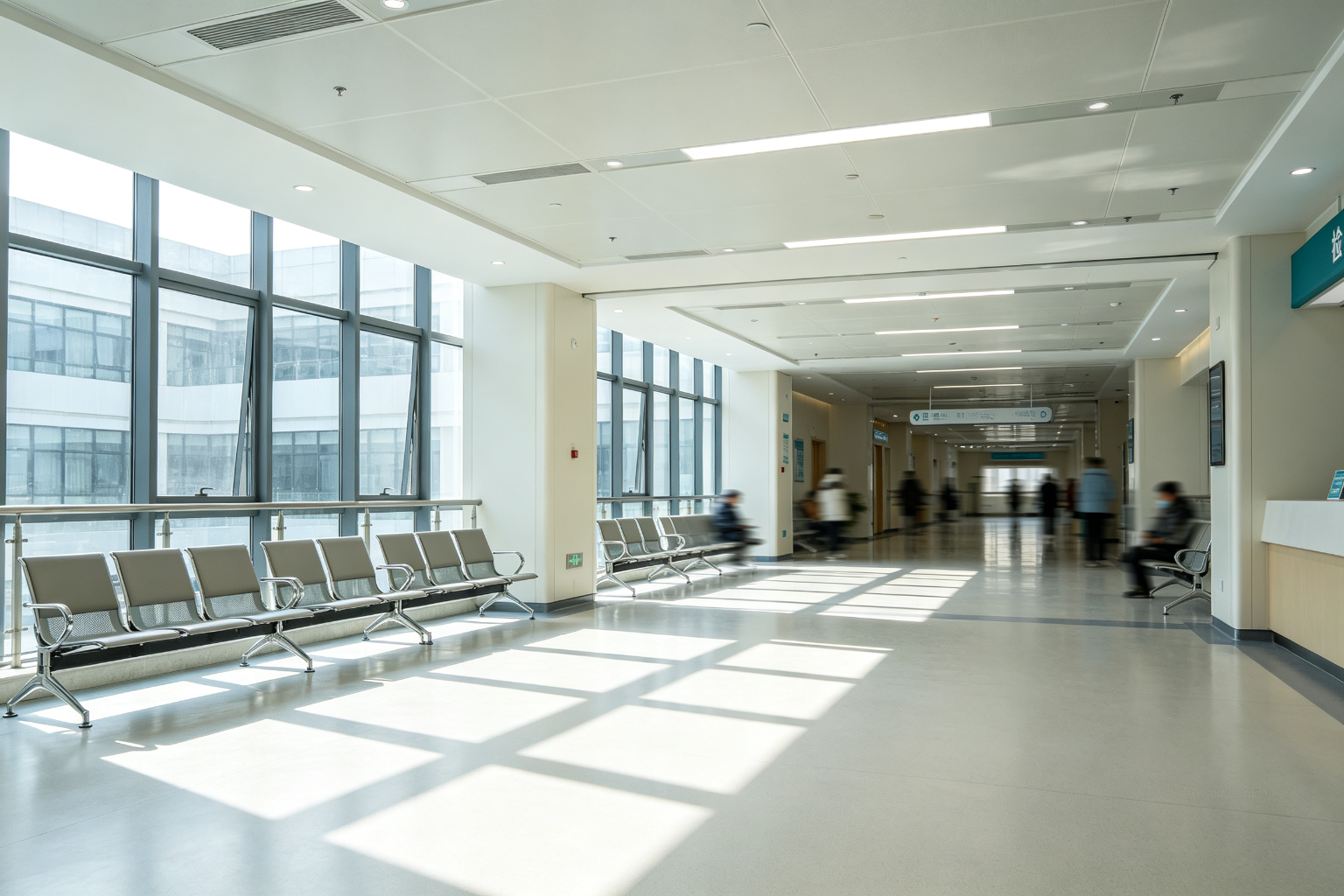
- When to see a doctor: Persistent diarrhea over a day or two, high fever, blood in stool, dehydration, chest pain, breathing trouble, severe vomiting, or an allergic reaction. Go to a hospital clinic or international clinic.
- Where: For mild issues, a pharmacy (药店) or international clinic; for anything more serious, a hospital outpatient or emergency department.
- Tips: Buy oral rehydration salts (ORS) locally for diarrhea. Avoid "street remedies" you are unsure about. If symptoms are serious, do not wait until your next trip home - local care is good and affordable. This article is general guidance; always follow a doctor's diagnosis.
When to Treat Yourself Versus See a Doctor
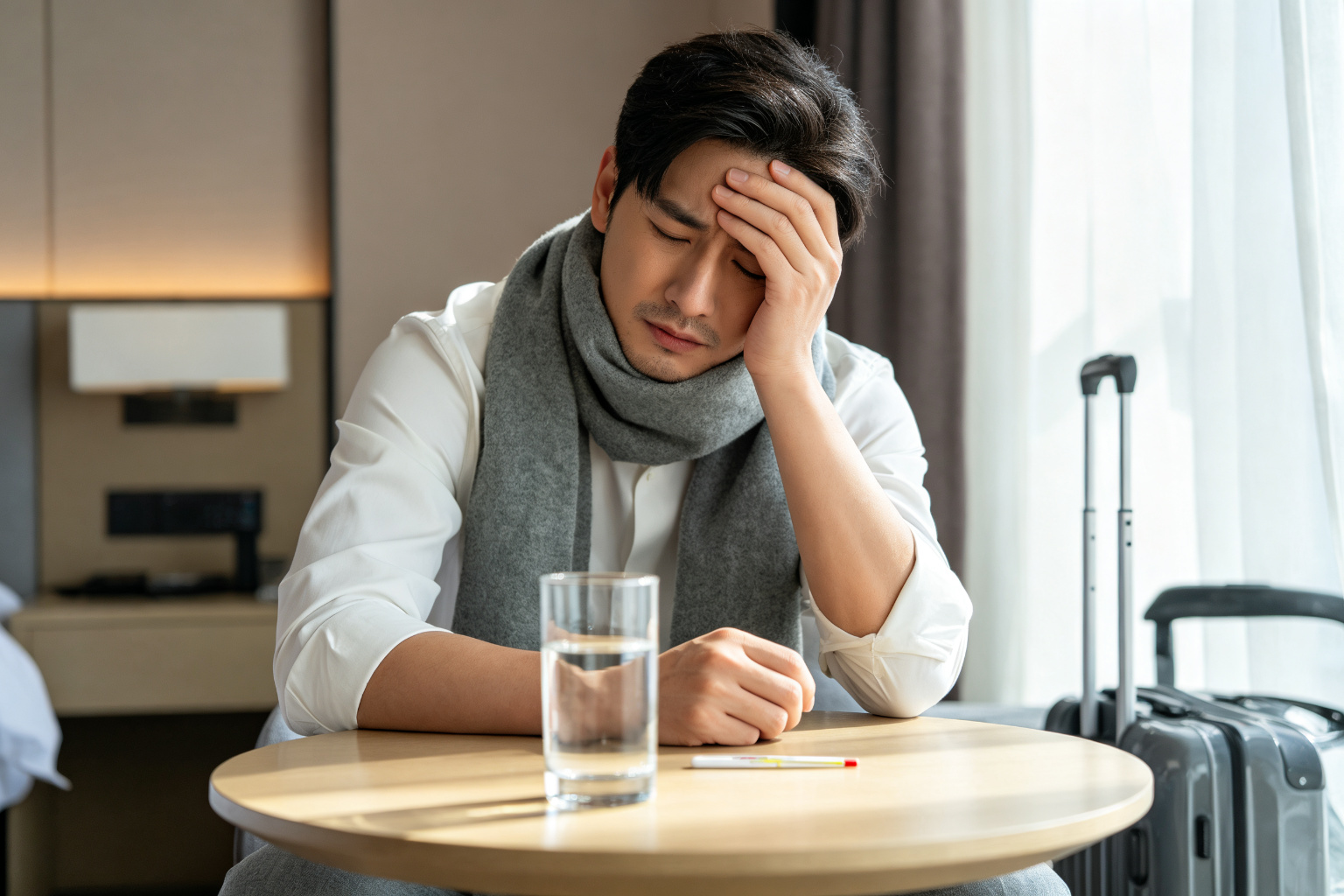
Most travel upset in Chengdu settles with rest and fluids, but some signs should never be ignored. Self-care is reasonable for a mild cold, a one-day stomach bug, or a tension headache that responds to ordinary painkillers. Seek a clinic if fever climbs above about 38.5 C and lasts more than two days, if diarrhea becomes watery and frequent, if you cannot keep fluids down, or if you develop chest tightness, rash after a new medicine, or breathing trouble.
- Rehydration salts from any pharmacy are cheap and far more effective than plain water after vomiting or diarrhea.
- Skip spicy street food for 48 hours after a stomach upset, then reintroduce it gently.
- Sun and heat dehydration can feel like a fever; rest in air-conditioning and rehydrate first.
- Never delay: a stable-looking problem can change quickly, and local emergency care is affordable.