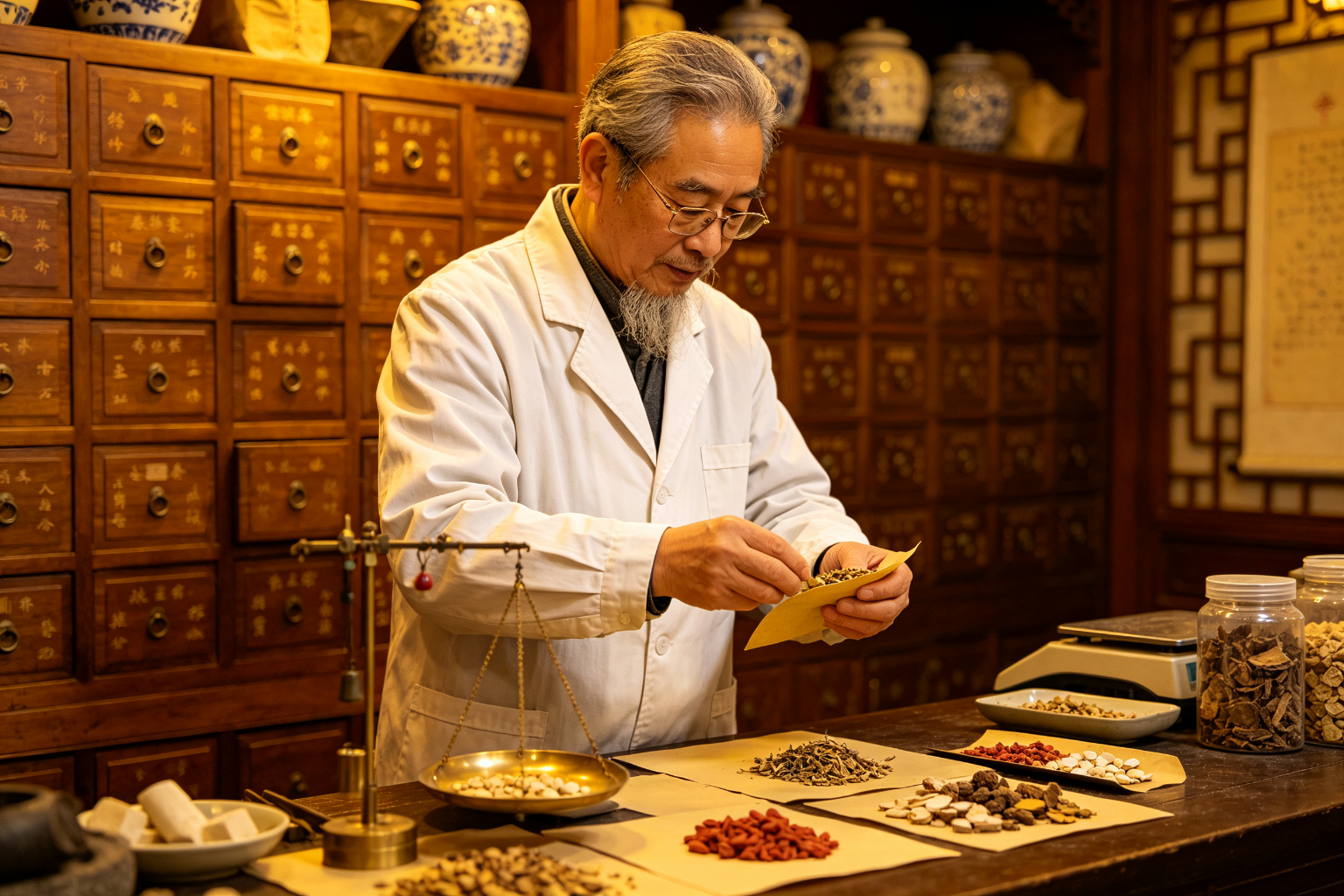
Chengdu is one of the best places in China to experience Traditional Chinese Medicine (TCM, 中医, zhōngyī). The city has a famous TCM university, hundreds of clinics, and a strong local tradition of herbal remedies, acupuncture (针灸, zhēnjiǔ), cupping (拔罐, báguàn), and tuina (推拿, tuīná) massage. For visitors, TCM can be a memorable cultural experience and a gentle option for chronic or stress-related complaints.
This guide explains what to expect at a TCM visit, what the common therapies are, and how to choose a licensed practitioner. It is not medical advice for a specific condition; if you have a serious or acute problem, use conventional care and emergency services as needed.
What a TCM Visit Looks Like
A TCM consultation starts with the four examinations: looking (tongue and complexion), listening and smelling, asking about symptoms, sleep, digestion, and emotions, and touching (pulse taking on both wrists). The practitioner will form a pattern diagnosis in TCM terms, such as "dampness," "heat," or "qi deficiency," and recommend a treatment plan.
Common treatments include acupuncture, where very fine needles are inserted at specific points; moxibustion, where a dried herb is warmed near the skin; cupping, where suction cups are placed on the back; herbal decoctions or pills; and tuina massage. Sessions usually last 20-40 minutes.
Where to Go and How to Choose
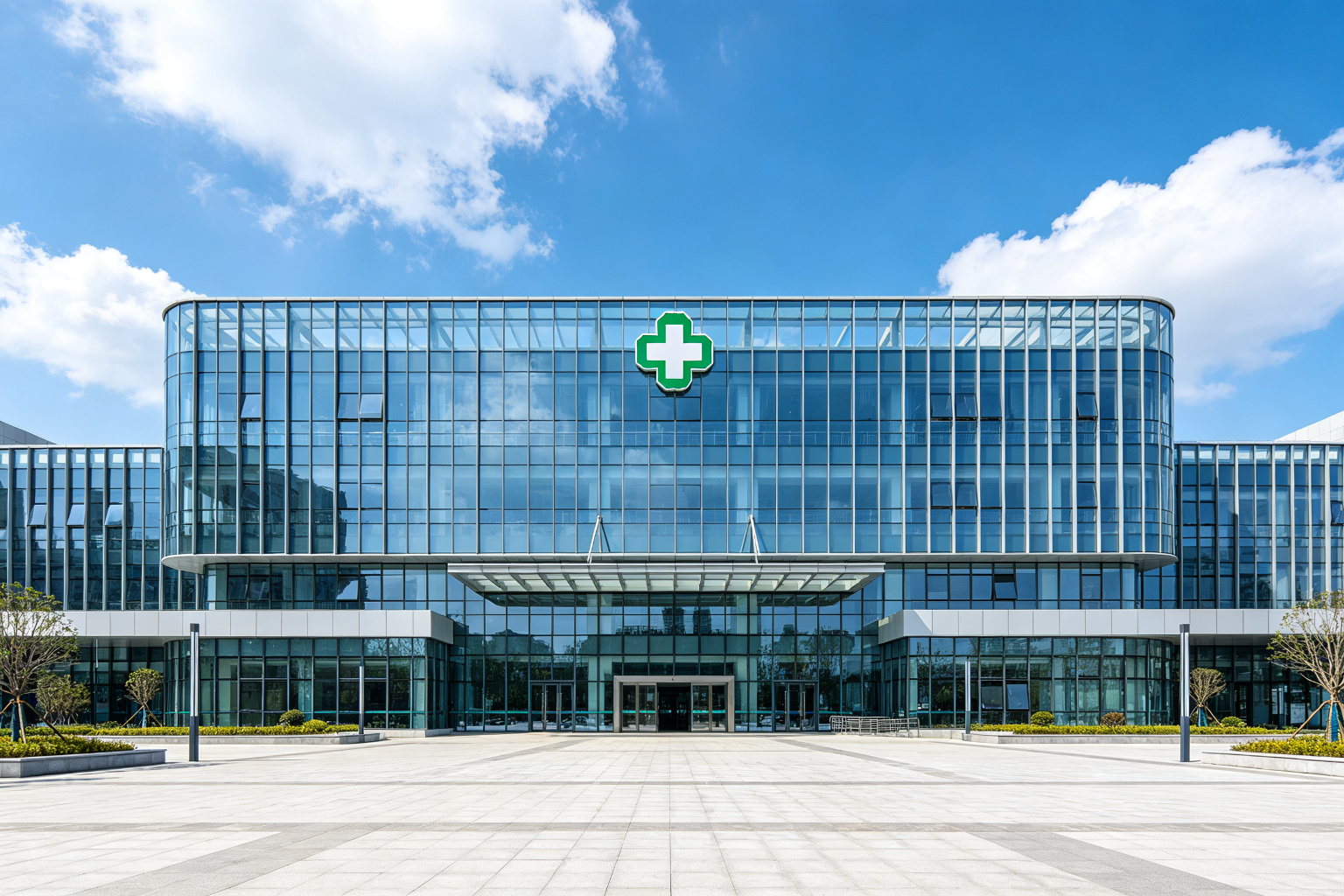
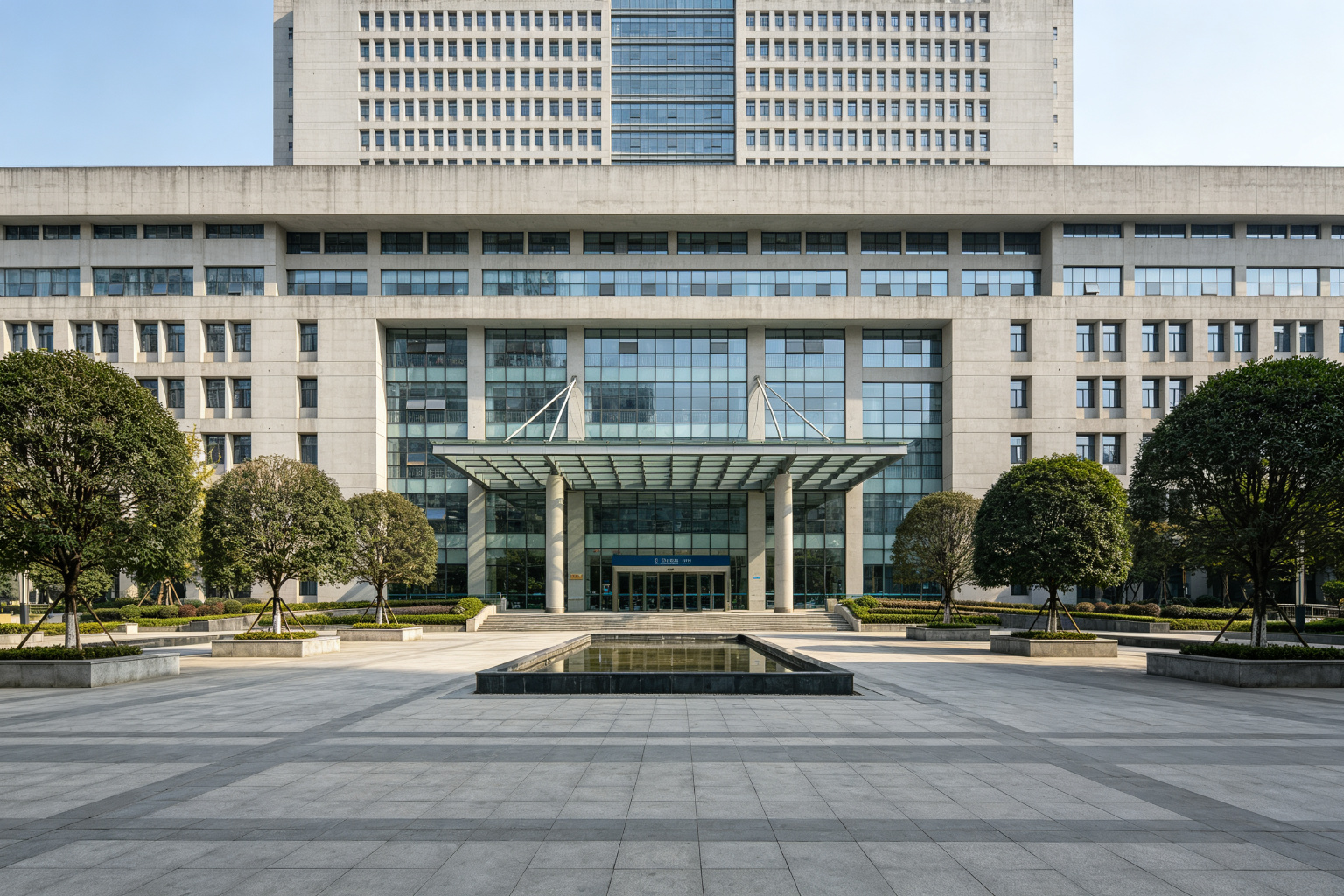
- Hospital TCM departments: Major hospitals in Chengdu, including TCM-affiliated hospitals, have licensed TCM departments. This is the safest route, because practitioners are certified and facilities are regulated.
- Dedicated TCM clinics: Stand-alone clinics near universities and commercial areas offer acupuncture and herbal treatment. Ask about the practitioner's qualifications.
- Hotel-spa treatments: Many hotels offer cupping or tuina as a leisure service. These are relaxing but not a substitute for medical TCM care.
Ask for a licensed TCM physician (中医师, zhōngyīshī) and explain that you are a foreign visitor. Tell them about any medical conditions, pregnancy, bleeding disorders, or medications, because acupuncture and herbs interact with some treatments.
Practical Information
- Where: Search for "成都 中医医院" (Chengdu TCM Hospital) or ask your hotel concierge for a reputable TCM clinic near you.
- Transport: Most clinics are reachable by metro and taxi; give the driver the Chinese name of the clinic.
- Opening hours: Hospital TCM clinics follow normal outpatient hours; stand-alone clinics often open late morning to evening.
- Cost: An acupuncture session typically costs a modest fee; herbal prescriptions are priced by ingredient. Ask for a clear price before starting. Prices are far lower than in Western countries.
- Tips: Eat lightly before treatment, avoid treatment on a completely empty stomach, and expect some minor temporary marks after cupping or needling. Do not take herbal medicine without telling your regular doctor if you are on prescribed drugs. This guide is for cultural orientation; always follow a qualified practitioner and seek conventional care for serious symptoms.
What to Expect from an Acupuncture or Tuina Session
A typical Chinese-medicine consultation in Chengdu begins with pulse and tongue diagnosis, after which the practitioner may combine acupuncture needles, moxa heat, cupping, and herbal pills. Needles are very fine, disposable, and usually barely felt; you may feel a dull ache or warmth at the point. Cupping leaves temporary red circular marks on the back that fade within a few days. Tell the practitioner immediately if you feel dizzy, faint, or unusually sensitive to pain.
- Eat a light meal about one hour before; do not arrive completely fasting or completely full.
- Wear loose clothing that you can roll up to expose arms, legs, and lower back.
- Avoid cold showers and heavy exercise for several hours after a session.
- Herbal decoctions taste bitter; drinking them warm and quickly is traditional, and you may keep a small sweet afterward.