
Summer in Chengdu is warm and humid, and it is also peak camp season. The city and surrounding mountains host a fast-growing range of summer camps for local and foreign children and teenagers: panda-conservation volunteer weeks, English-immersion programs, STEM and robotics camps, arts and outdoor adventure camps, and university-led summer schools. For expatriate families, a camp is a ready-made social life for the children; for visiting families, a short camp combines childcare with a taste of China. Booking opens in spring and popular weeks fill quickly.
The main types
- Panda and wildlife conservation camps — feeding preparation, clean-up and educational tasks around the panda base, usually a week, for older children and teens.
- English and bilingual immersion camps — day or residential camps run by international schools and language centers, mixing English with sports and crafts.
- STEM, robotics and coding camps — short, hands-on weeks tied to UESTC-style engineering themes.
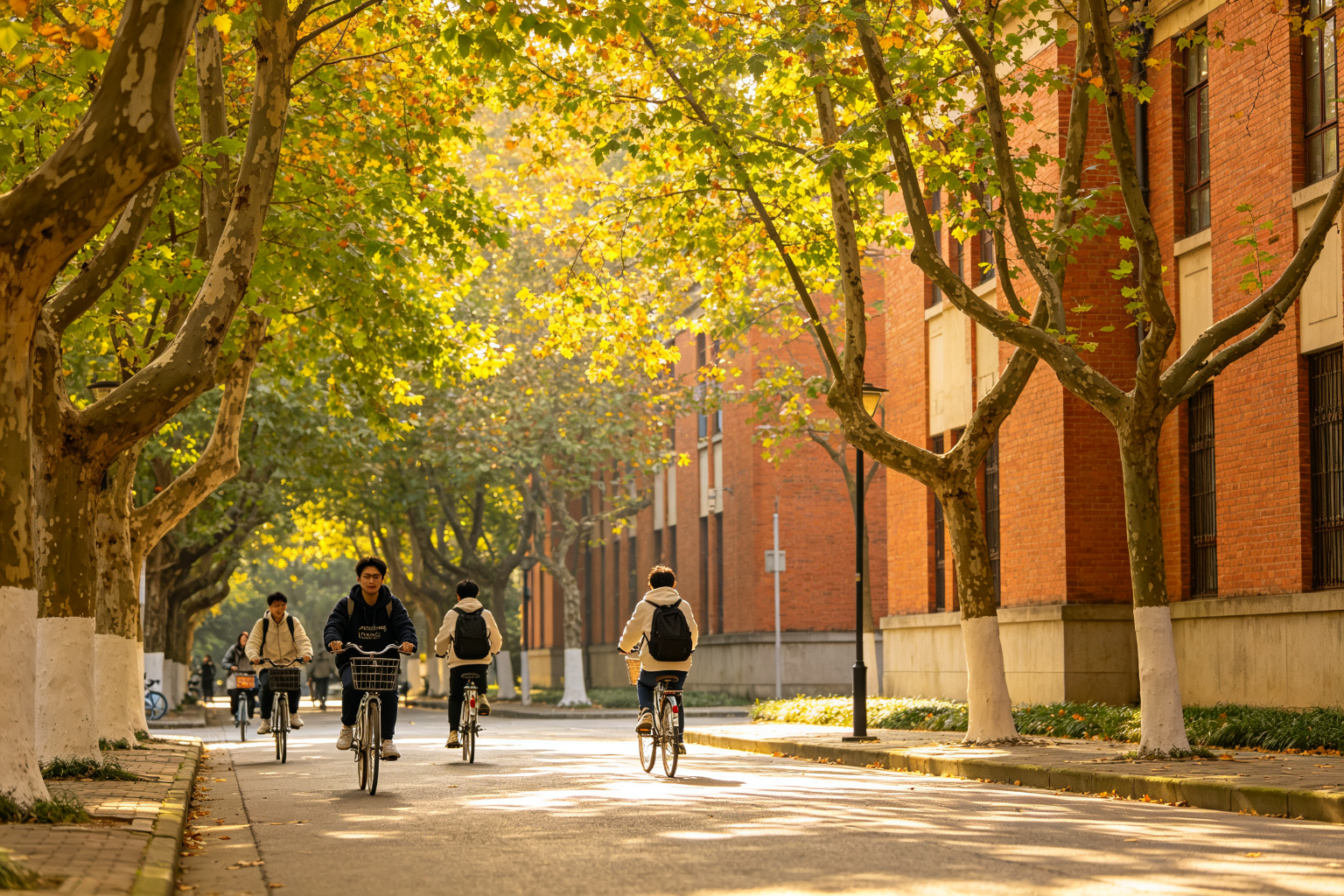
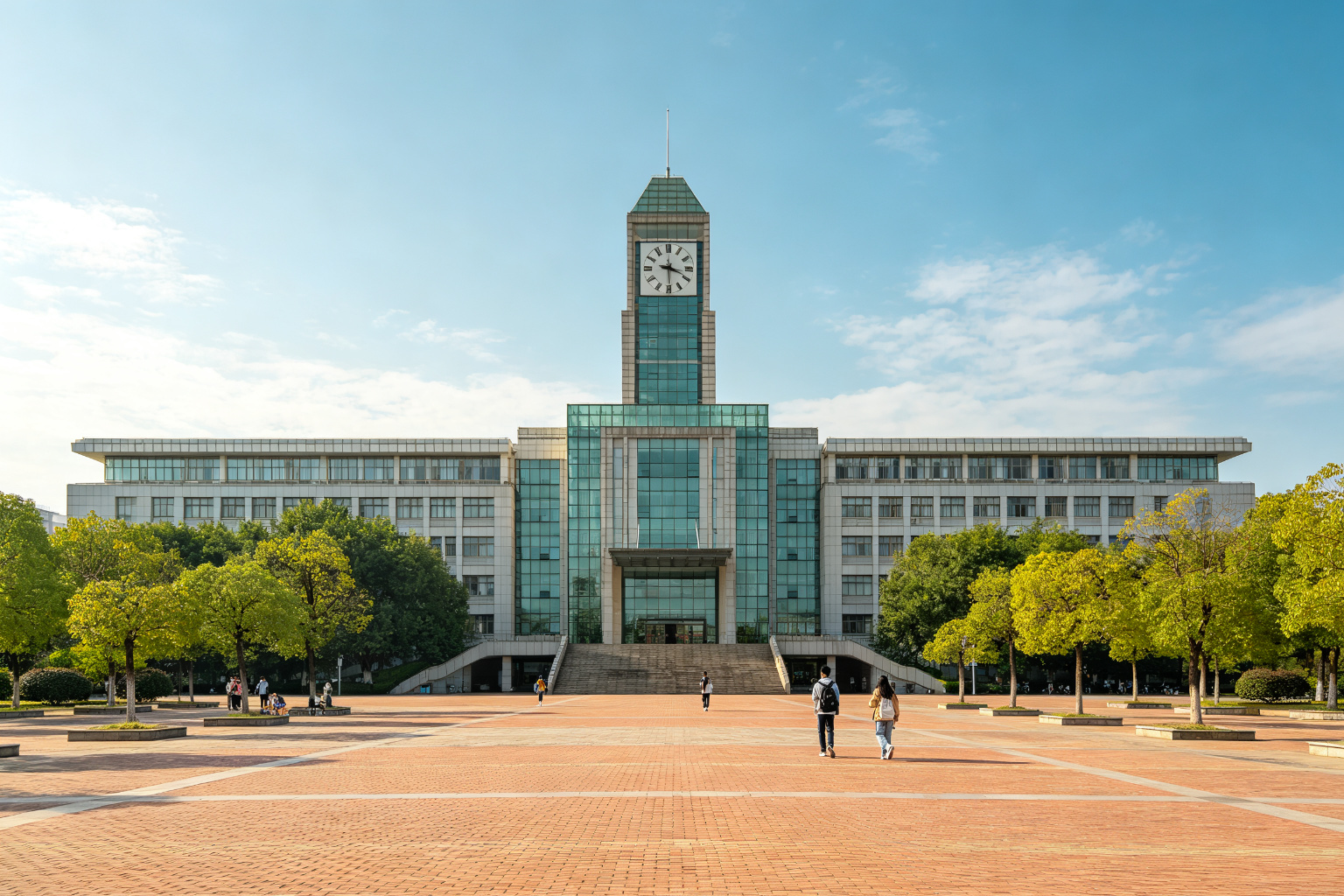
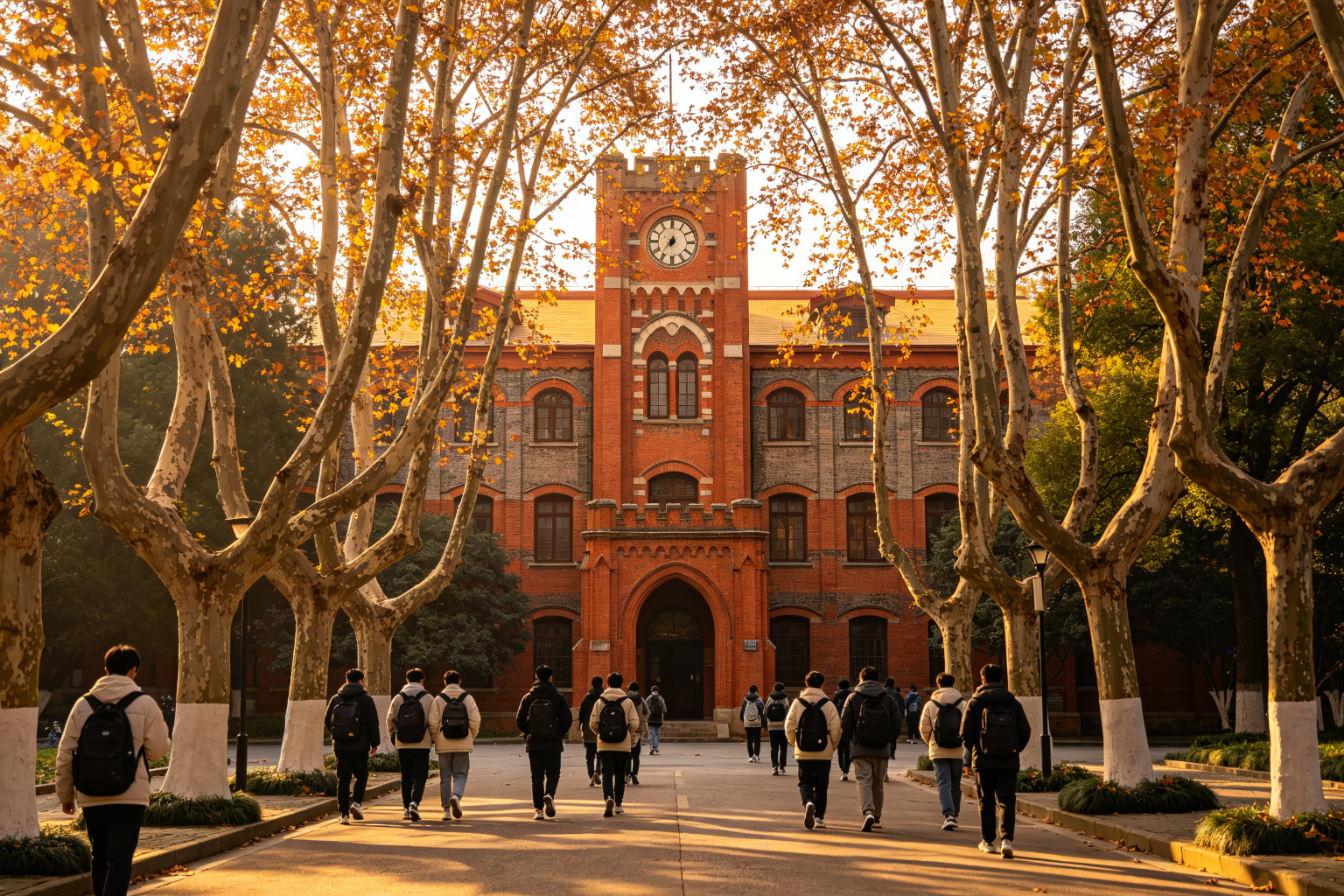
- University summer schools — SCU and other universities run 2–4 week programs in Chinese language, culture or business for international teens and young adults.
- Arts, outdoor and sports camps in the nearby hills and Qingcheng mountain area.
Practical Information
- Location: camps run at the panda base, on university campuses, in international schools and in mountain resorts near Dujiangyan and Qingcheng.
- Dates: most camps run June–August; panda and university camps have fixed sessions; book 2–4 months ahead for the best weeks.
- Cost: day camps roughly RMB 1,500–4,000 per week; residential and panda-volunteer camps RMB 5,000–12,000 per week including board; university summer schools RMB 8,000–20,000 for 2–4 weeks. Figures are indicative and vary by provider.
- Requirements: age range and language level vary; residential camps ask for health and emergency forms, and often English or basic Chinese proficiency depending on the program.
- Visa: camps alone do not grant a student visa; combine with a normal tourist or family visa unless the provider issues an official invitation for a study permit.
Tips for foreign guests
- Read what the camp actually does: "panda experience" ranges from a photo visit to real volunteer work; confirm the ratio of hands-on tasks to sightseeing.
- Check the staff-to-child ratio, insurance and emergency procedures before paying a deposit.
- Summer is peak season; book early, and consider a shorter camp to test how your child handles a residential week.
- Useful Chinese: 夏令营 (xiàlìngyíng = summer camp); 报名 (bàomíng = sign up); 寄宿 (jìsù = boarding/residential); 年龄要求 (niánlíng yāoqiú = age requirement).
A Chengdu summer camp is one of the easiest ways to give a child a memorable, structured China experience while the parents explore the city — just book early and read the fine print about what the camp really includes.
A final practical tip: before paying a deposit, confirm the staff-to-child ratio, the insurance coverage in writing, and whether English is spoken by the leaders. Bring sturdy walking shoes and a sun hat, since even summer mountain hikes get strong sun. If this is your first overnight camp, book a shorter week first and see how your child copes. Camps fill early in spring, so decide by April or May; a well-run week here gives a child a structured China memory while you explore the city yourself.