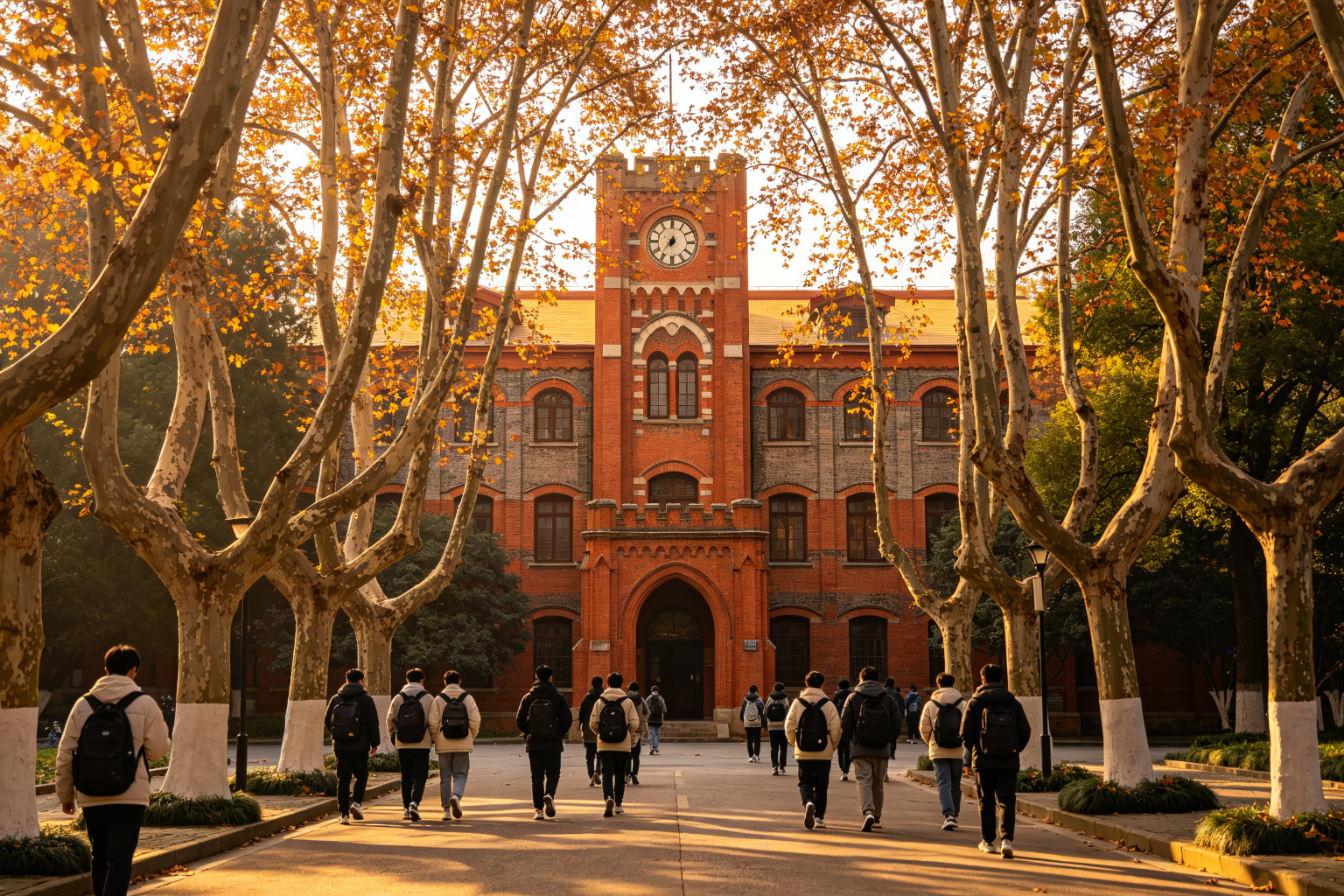

Beyond its famous universities, Chengdu runs one of the most active vocational and skills training ecosystems in southwest China. Vocational colleges, technical schools and private training centers turn out practical workers in manufacturing, software, hospitality, healthcare and the famous Sichuan culinary tradition. For expatriates, the more interesting angle is short, hands-on courses: cooking classes, IT and design bootcamps, language-and-work programs, and professional certificates. Vocational education in China has expanded fast and is now taken seriously, with modern labs and close links to local industry.
What you can train in
- Manufacturing and robotics — industrial automation, CNC and electronics assembly, based in the western high-tech and Pidu zones.
- IT and software — web and mobile development, data, testing and cloud, with short intensive bootcamps aimed at job-seekers.
- Culinary and hospitality — Sichuan cooking schools and tourism colleges that welcome foreign visitors for short hands-on courses.
- Nursing and eldercare — health-profession programs tied to Chengdu's large hospitals.
- Beauty, automotive and construction trades — established public vocational colleges across the districts.
Practical Information
- Location: public vocational colleges are spread across the districts (Pidu, Longquanyi, Wenjiang, Qingyang); private bootcamps cluster near the high-tech software parks.
- Entry: full vocational diplomas follow national admission rules; short courses and bootcamps often enroll any motivated learner with basic Chinese or English support.
- Cost: public vocational college tuition is heavily subsidized, roughly RMB 3,000–6,000 per year for eligible students; private bootcamps RMB 10,000–30,000 for a multi-month program; short cooking or specialty courses RMB 200–800 per day. Indicative figures.
- Duration: diplomas run 2–3 years; bootcamps 2–6 months; short hands-on courses from one day to two weeks.
- Language: most vocational teaching is in Chinese; a handful of tourism, cooking and IT programs offer English or bilingual support — ask directly.
Tips for foreign guests
- If you just want a taste, book a one- or two-day Sichuan cooking class: it is the friendliest entry into vocational learning here and produces a meal you eat yourself.
- For career-oriented IT or robotics training, verify job-placement claims carefully and check the school's real graduate outcomes before paying.
- Government-subsidized training vouchers exist for certain skills; ask whether they apply to your visa category before enrolling.
- Useful Chinese: 职业培训 (zhíyè péixùn = vocational training); 厨师学校 (chúshī xuéxiào = cooking school); 短期课程 (duǎnqī kèchéng = short course).
Chengdu's vocational scene is the working heart of its education story: practical, affordable and growing. A short skills course here is both useful and a memorable way to meet local people outside the university bubble.
A final practical note: before committing to a multi-month bootcamp, take one or two trial sessions and ask for the graduate list. A good center will show you the timetable and introduce a teacher, and it will not pressure you to pay the whole fee up front. Ask whether you receive a completion certificate, and whether the skills are taught in English or need Chinese. A short hands-on course is the most useful souvenir of Chengdu you can carry home, far better than a fridge magnet.
Check the schedule against your own calendar before paying, because evening and weekend slots fill fast. A center that lets you switch a missed class for a free make-up session is usually a better bet than the cheapest option, and flexible rescheduling matters far more than a glossy marketing brochure. Ask for a receipt in your own name, too, in case you later need proof for your employer.