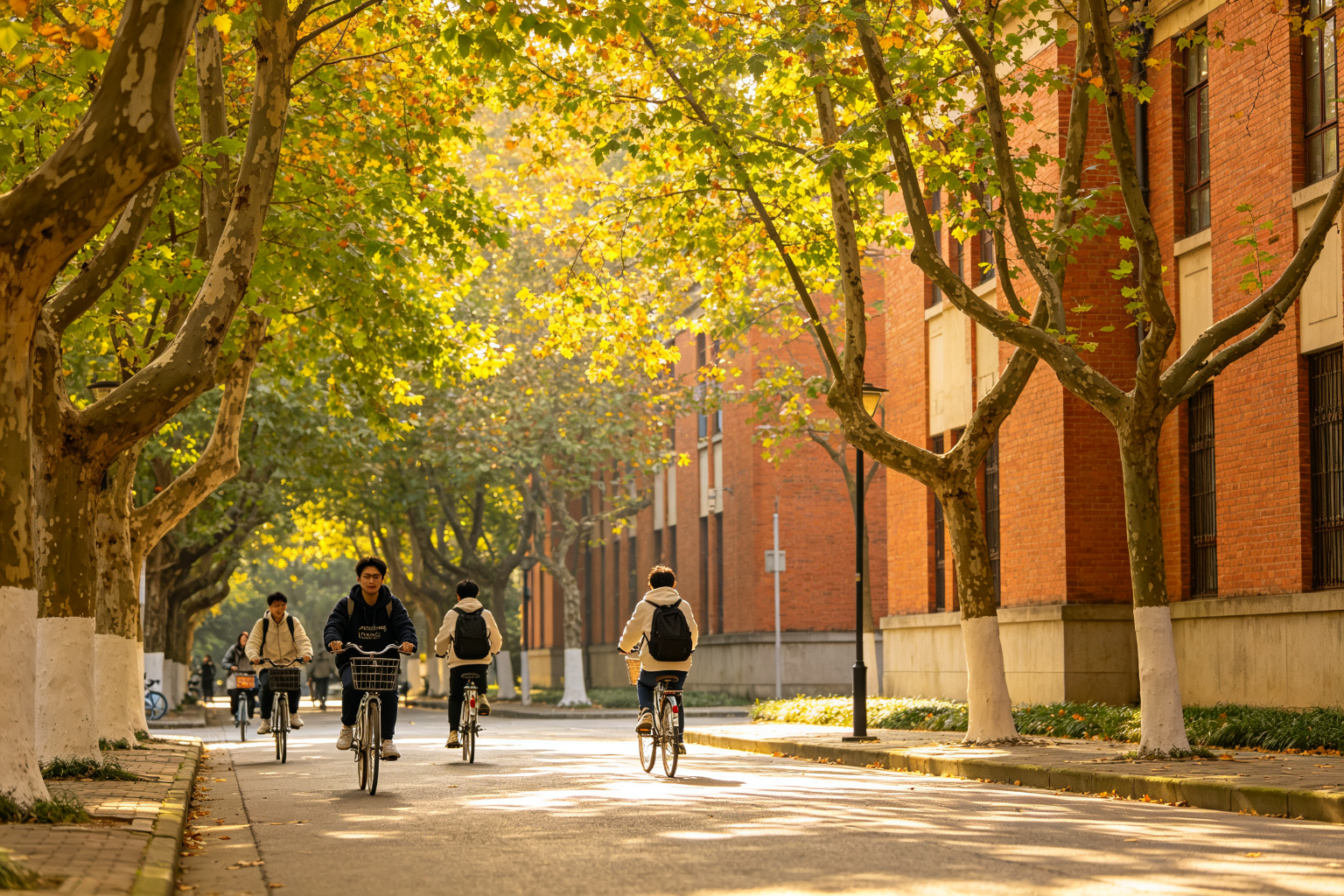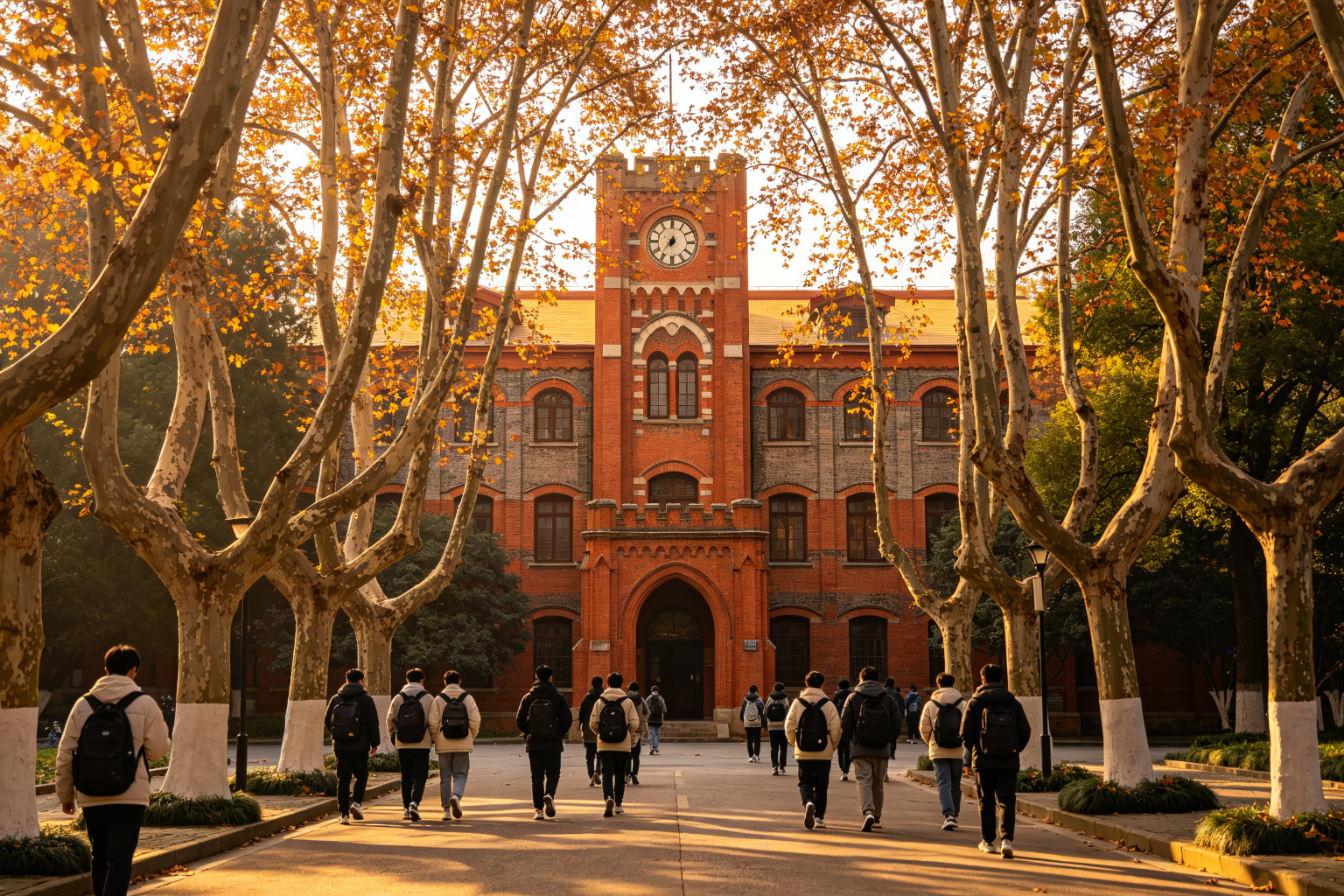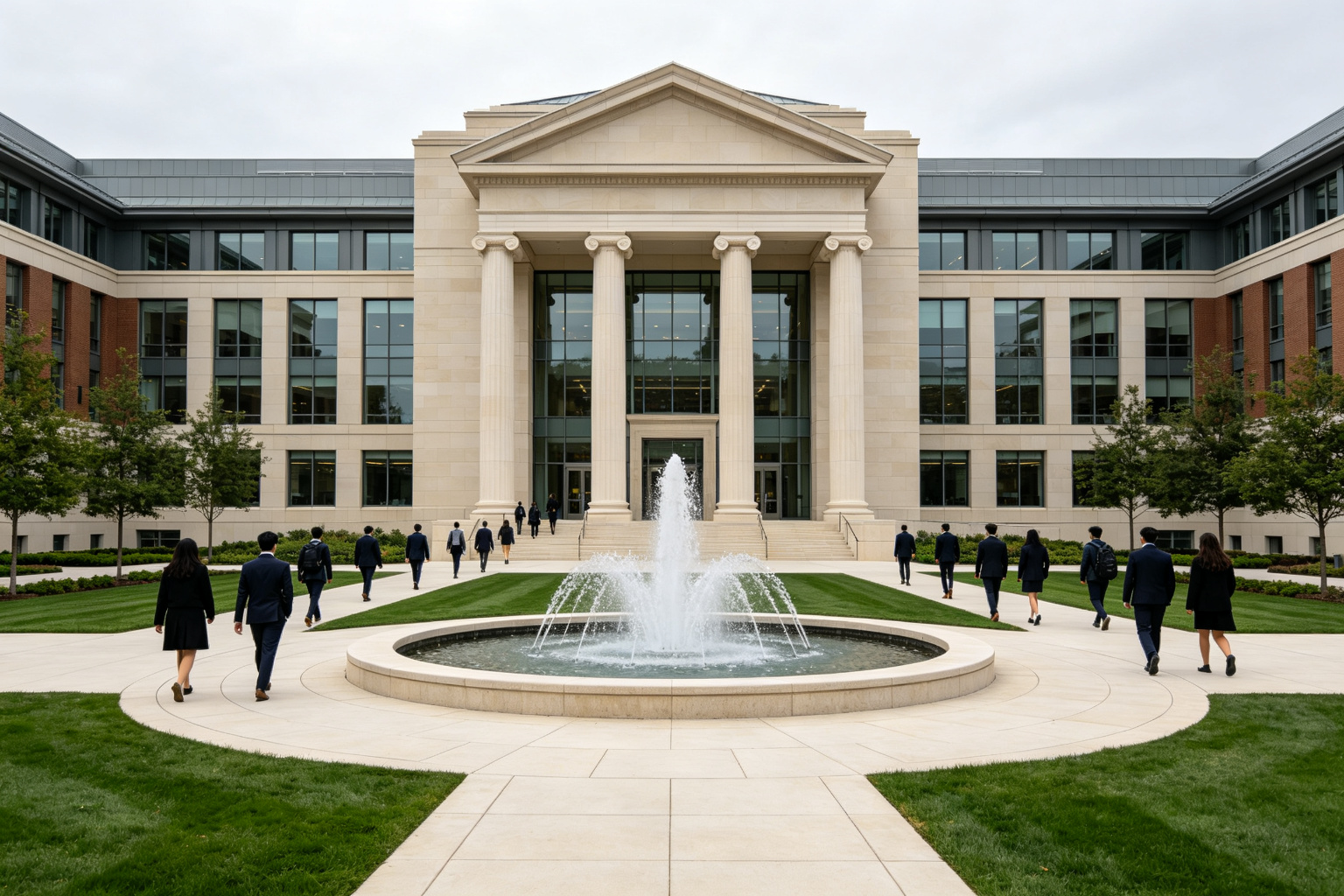
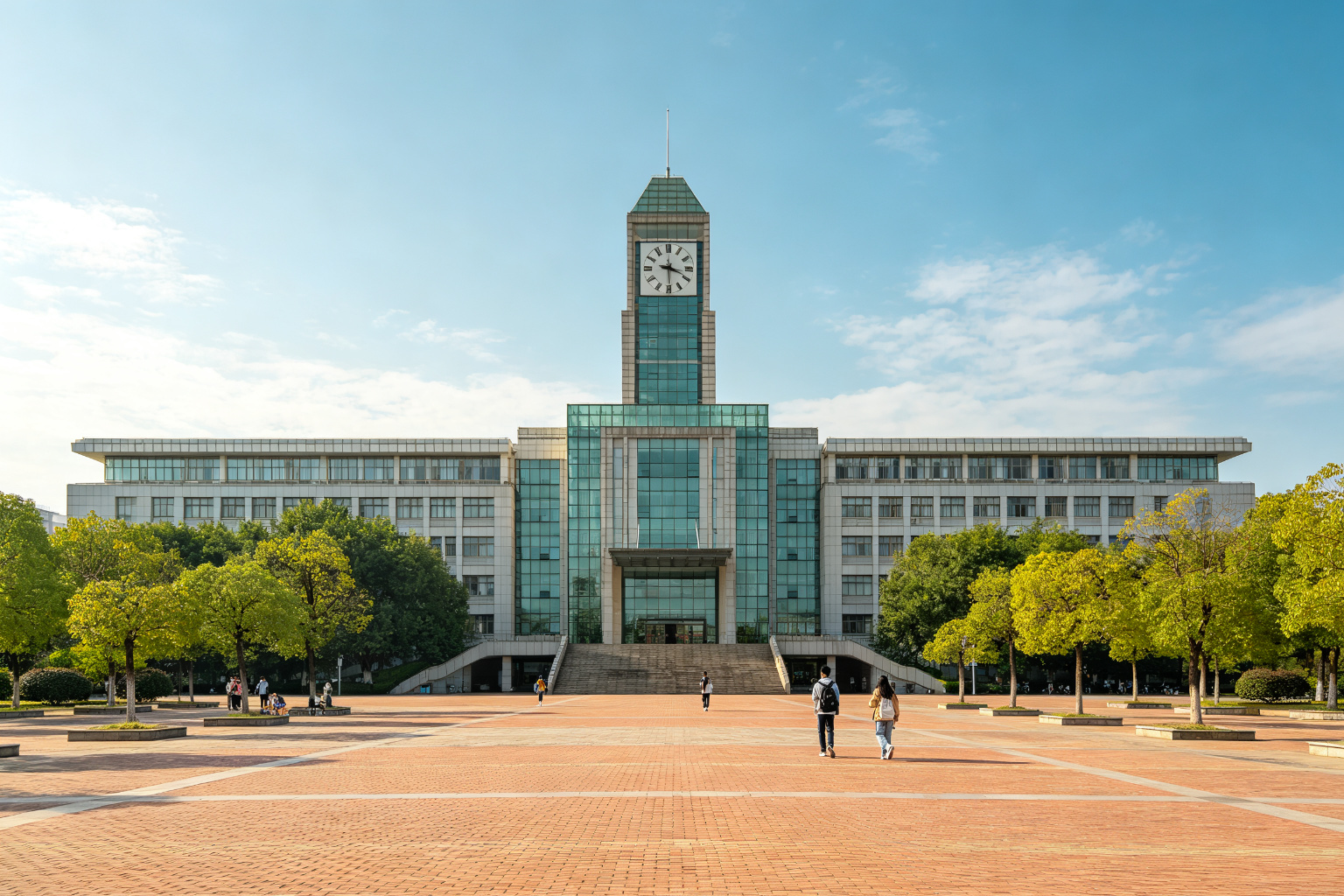
UESTC, the University of Electronic Science and Technology of China (电子科技大学, Diànzǐ Kējì Dàxué), is one of China's most focused science and technology universities. Founded in 1956 as the Chengdu Institute of Radio Engineering and built up with teachers from across the country, it grew into a national Project 985 flagship and a "Double First-Class" university. Its nickname, often repeated, is that it is China's answer to MIT in electronics and communications. For anyone studying circuits, chips, radar, 5G, semiconductors or computer science, UESTC sits at the center of the Chinese technology supply chain.
What it leads in
UESTC's strongest fields are electronic science and technology, information and communication engineering, and computer science. Its graduates dominate Chinese telecom, chip design and internet companies; the campus sits inside Chengdu's high-tech corridor, next to a cluster of research institutes and headquarters. Undergraduates here compete heavily in national robotics, mathematical modeling and programming contests, and the labs run on industry-scale equipment. Unlike a general university, almost everything at UESTC leans toward engineering and hard science.
Campuses and location
- Qingshuihe Campus (清水河校区), the main campus in the western high-tech zone near the city's software parks, modern and green.
- Shahe Campus (沙河校区), the older, central campus in Chenghua District, closer to downtown and used by some schools and continuing-education units.
- A smaller off-campus college and research parks extend further west into the high-tech zone.
The two main campuses are linked by metro and shuttle bus; Qingshuihe is served by Metro Line 6, while Shahe is near the Construction Road North area and Line 6 / Line 8. Plan extra time between campuses for meetings or lab visits.
Practical Information
- Address: Qingshuihe Campus, West High-Tech Zone, Chengdu; Shahe Campus, Jian She Bei Lu, Chenghua District.
- Transport: Metro Line 6 toward the western parks reaches Qingshuihe; Metro Line 6 / Line 8 near Shahe. From Chengdu East Station, allow 45–60 minutes by metro.
- Visiting: campuses are open to the public; register at the gate with your passport or ID. The Qingshuihe library and lakeside walk are the highlights. Talks and open days are advertised on the university's English website.
- Application: UESTC runs several English-taught undergraduate and master's programs (electronics, computer science, communications) aimed at international students. Apply online through the International School; typical deadlines are spring for autumn entry and autumn for spring entry. Tuition for English-taught degree programs is roughly RMB 30,000–45,000 per year; exact figures are published annually.
- Scholarships: CSC and provincial scholarships are available; high-achieving applicants can also be considered for UESTC merit awards.
Tips for foreign guests
- English-taught classes exist but daily campus life is in Chinese; pick up basic survival phrases before arrival, or enroll in the free Chinese classes offered to international students.
- The high-tech-zone campus is quieter and more spread out than a city center; Didi or the metro is essential, and food courts on campus are cheap and filling.
- If you are here for research or industry, the nearby software and semiconductor parks are walkable from Qingshuihe and host job fairs each spring and autumn.
- Useful Chinese: 电子科技大学 (Diànzǐ Kējì Dàxué = UESTC); 清水河校区 (Qīngshuǐhé xiàoqū = Qingshuihe campus); 英语授课项目 (Yīngyǔ shòukè xiàngmù = English-taught program).
UESTC is where China builds its electronics talent: rigorous, practical and plugged into the industry. For a foreign engineer or student, spending even a day on the Qingshuihe campus gives a clear sense of how Chinese technical education runs at its strongest.