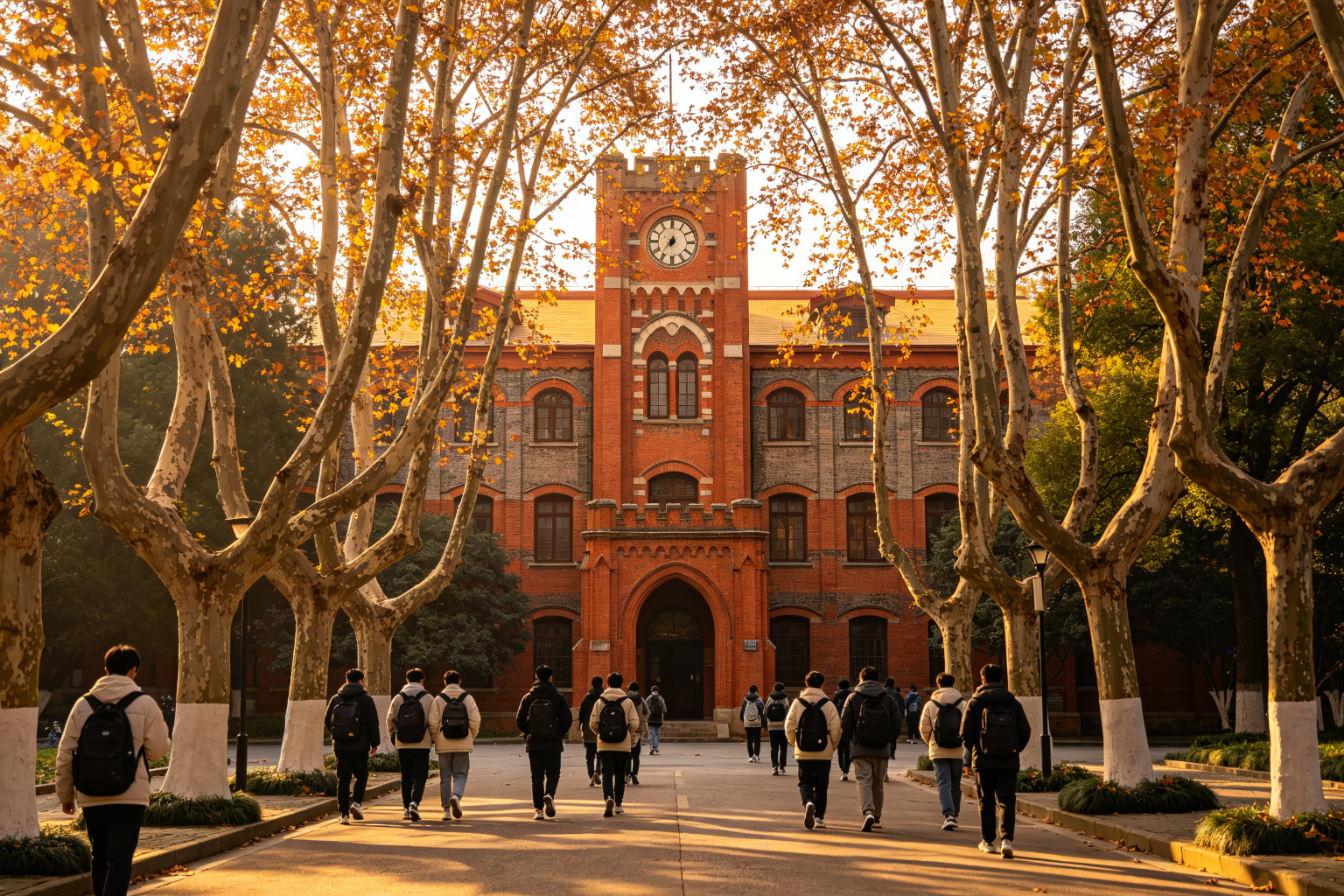

Chengdu has become a popular destination to study abroad in China: its universities are large, affordable and increasingly English-friendly, the city is comfortable and cheap to live in, and the food alone keeps many international students happy. Whether you want a full undergraduate or master's degree, a one-semester exchange, a Chinese-language year or a funded PhD, the city's universities run structured international offices, English-taught programs and scholarship routes. The paperwork is manageable if you start early and follow one university's checklist rather than improvising.
The main routes
- Full degree programs — undergraduate and graduate degrees, some taught fully in English, in engineering, business, medicine and Chinese studies.
- Exchange semesters — through your home university's partnership with SCU, UESTC, SWJTU or SWUFE; credits usually transfer home.
- Chinese language and culture programs — one-semester to one-year Mandarin courses, often with a student visa support.
- Scholarship paths — the Chinese Government Scholarship (CSC), Sichuan provincial scholarships and university merit awards, covering tuition and sometimes a stipend.
- PhD and research visits — supervised by a professor, often funded by a scholarship or your home institution.
Practical Information
- Where: the main international offices are at Sichuan University, UESTC, Southwest Jiaotong and SWUFE; each runs its own admissions website in English.
- Timing: scholarship applications are due roughly January–April for September entry; self-funded applicants can apply a few months ahead. Spring entry (March) is smaller.
- Cost: tuition roughly RMB 25,000–45,000 per year depending on program; living costs in Chengdu are low, around RMB 2,000–4,000 per month for a modest student lifestyle. Scholarship students often receive a stipend covering basics.
- Paperwork: you will need your passport, transcripts, recommendation letters, a physical-examination report, a visa (X1 for long study, X2 for short), and an acceptance letter from the university. Start 3–6 months ahead.
- Arrival: the university picks up most new international students from the airport or station; dormitories are booked by the school, and Chinese phone cards and bank accounts are explained at orientation.
Tips for foreign guests
- Apply through the official university website, not through unofficial agents charging big fees; most admissions are direct and free.
- Learn a few months of Chinese before arrival — daily campus life, shopping and dealing with minor problems are much easier with basic Mandarin.
- Join the international-student WeChat groups early; they are the real source of help, from dorm hacks to holiday trips.
- Useful Chinese: 录取通知书 (lùqǔ tōngzhīshū = admission letter); 签证 (qiānzhèng = visa); 宿舍 (sùshè = dormitory); 我是留学生 (Wǒ shì liúxuéshēng = I am an international student).
Studying in Chengdu is genuinely one of the best-value education choices in Asia: strong universities, a livable city and low costs. Start early, follow your chosen university's English checklist, and let the international office walk you through the rest.
A final practical note: the first two weeks are always a small logistical scramble, from buying a SIM card to opening a bank account, so let the international office and senior students walk you through it step by step. Do not try to master everything in day one. By the end of the first month a routine settles, and you will yourself be the one showing newcomers where the best noodle stall is. Study in Chengdu is affordable, friendly and genuinely life-changing if you start the paperwork six months early.