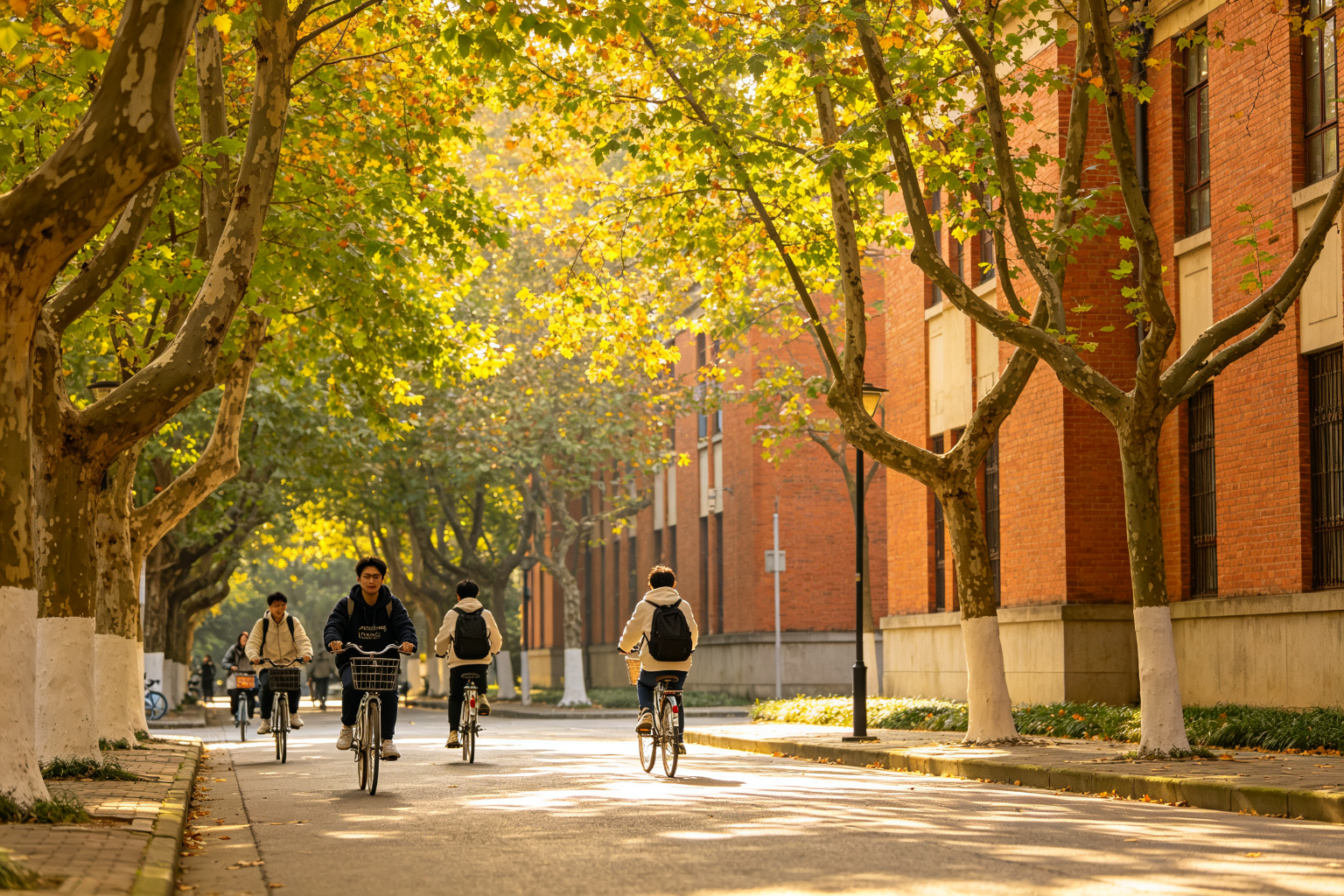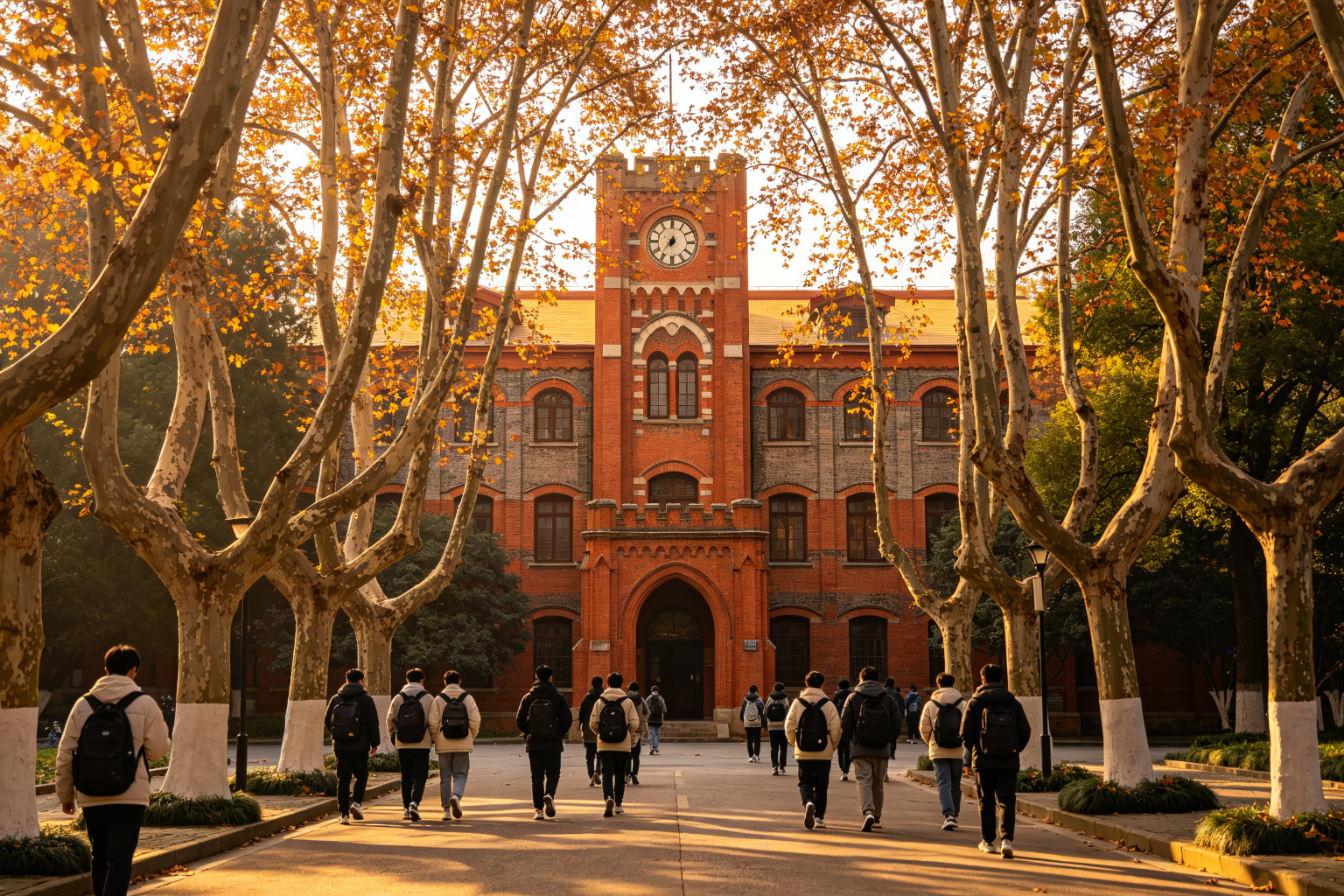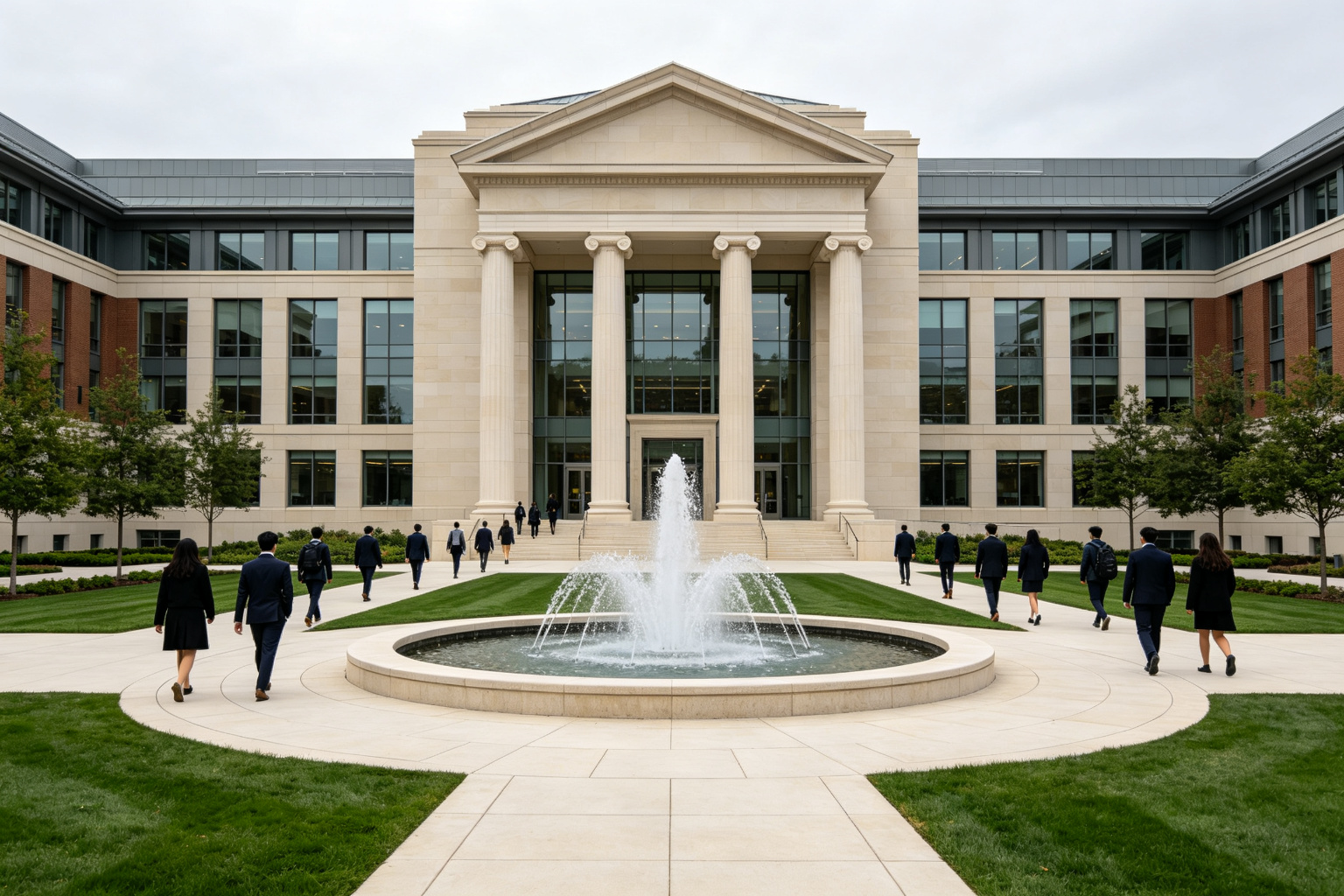

Learning Mandarin Chinese while living in Chengdu is one of the best reasons to be here: the city is relaxed, the cost of living is low, and local people are genuinely happy to practice with foreigners. Whether you want a one-month crash course, a semester of university study, or a serious multi-year path to fluency, Chengdu has options at every budget. Classes range from official university programs to intimate private schools in the student district, and most include HSK preparation and cultural activities.
The main routes
- University Chinese-language programs at Sichuan University, UESTC, Southwest Jiaotong and SWUFE — formal, structured, with mixed international classrooms and academic credentials; good if you want a certificate or to combine study with a student visa.
- Private language schools near the student districts — smaller, flexible schedules, more one-to-one teaching, often cheaper per hour; good for short stays and busy expatriates.
- One-to-one tutors — university students or graduates hired through the school or online platforms; the most flexible and affordable option for focused learners.
- HSK test centers — several universities are official HSK test sites; book your test a month or two ahead.
Practical Information
- Location: university programs are on or near the main campuses (Wuhou, city center and high-tech zones); private schools cluster near the Wangjiang student area and around Chunxi Road.
- Levels: classes are usually placed by a short oral and written test, from absolute beginner (no characters) to advanced conversation and academic Chinese.
- Cost: university semester programs are roughly RMB 6,000–15,000 per semester depending on hours; private group classes RMB 80–200 per lesson; one-to-one RMB 150–400 per hour. Figures are indicative.
- Timing: university intakes are in spring (March) and autumn (September); private schools enroll year-round and let you start any Monday.
- Visa: a multi-month university program supports a student (X1/X2) visa; short private study usually runs on a tourist or business visa.
Tips for foreign guests
- Do not just study in the classroom — Chengdu dialect is Sichuanese, but teachers will teach standard Mandarin; ask them to slow down and explain local phrases.
- Join a language exchange: local students wanting to meet foreigners are everywhere around the university areas, and it is free practice.
- Set a goal tied to HSK; preparing for HSK 3 or 4 within a year gives your study a clear deadline.
- Useful Chinese: 我想学中文 (Wǒ xiǎng xué Zhōngwén = I want to learn Chinese); 汉语班 (Hànyǔ bān = Chinese class); HSK 考试 (H-K-S kǎoshì = HSK exam); 请慢一点 (Qǐng màn yīdiǎn = please speak a bit slower).
Chengdu is a wonderful place to learn Mandarin: the pace is unhurried, the tea houses double as conversation corners, and the cheap living costs mean your money goes further in study time. Start small, commit to regular practice, and the language will open the city up to you.
A final practical tip: keep a small notebook of the ten sentences you use daily, and review them for fifteen minutes each evening rather than only in class. The gap between lessons is what decides whether the language actually sticks. Chat with taxi drivers and stall owners even in one-word exchanges; it removes the fear far faster than any textbook. Most learners reach a working HSK 3 in about a year, and the city itself becomes your best classroom once you stop hiding your notebook.