Southwest Jiaotong University (西南交通大学, Xīnán Jiāotōng Dàxué), known as SWJTU, is one of China's most prestigious engineering universities and the spiritual home of the country's railway education. It traces its origins to 1896, when its predecessor was founded in Shanhaiguan in Hebei; after decades of moving and rebuilding through war, it settled in Chengdu. Generations of China's high-speed rail engineers, bridge builders and railway planners studied here, and the university still describes itself as "the cradle of railway engineers."
What it leads in
SWJTU's signature strength is railway and transit engineering — from tracks and signaling to high-speed trains and urban metro systems — along with civil engineering, bridge and tunnel engineering, mechanics and transportation. Its researchers have contributed to China's high-speed rail network, to major bridges across the Sichuan rivers, and to the signaling systems of metros nationwide. If you see a Chinese high-speed train or a long bridge, the chances that a SWJTU graduate worked on it are high.
Campuses
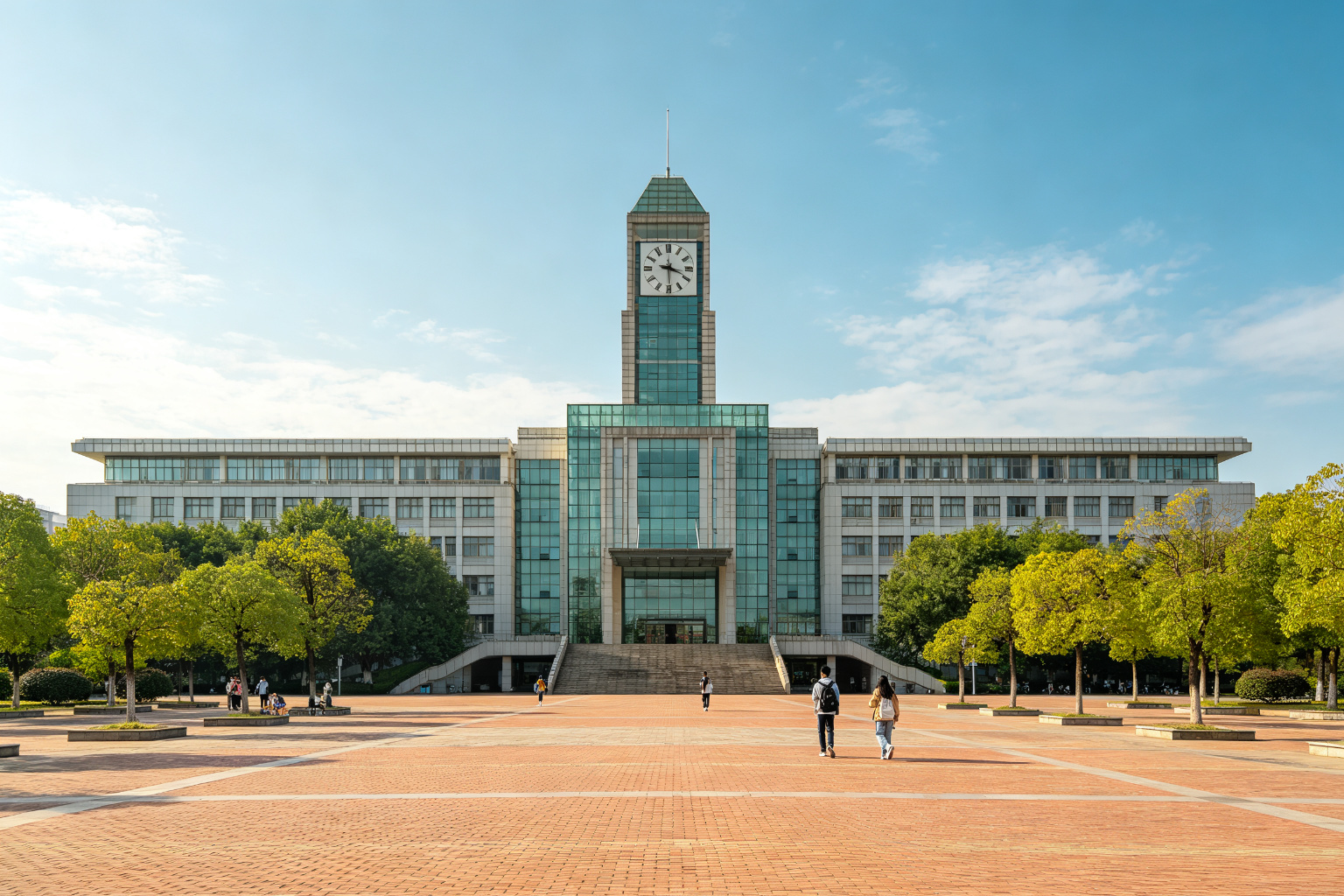
- Xipu Campus (犀浦校区) in Pidu District to the northwest, the largest and modern main campus, green and self-contained.
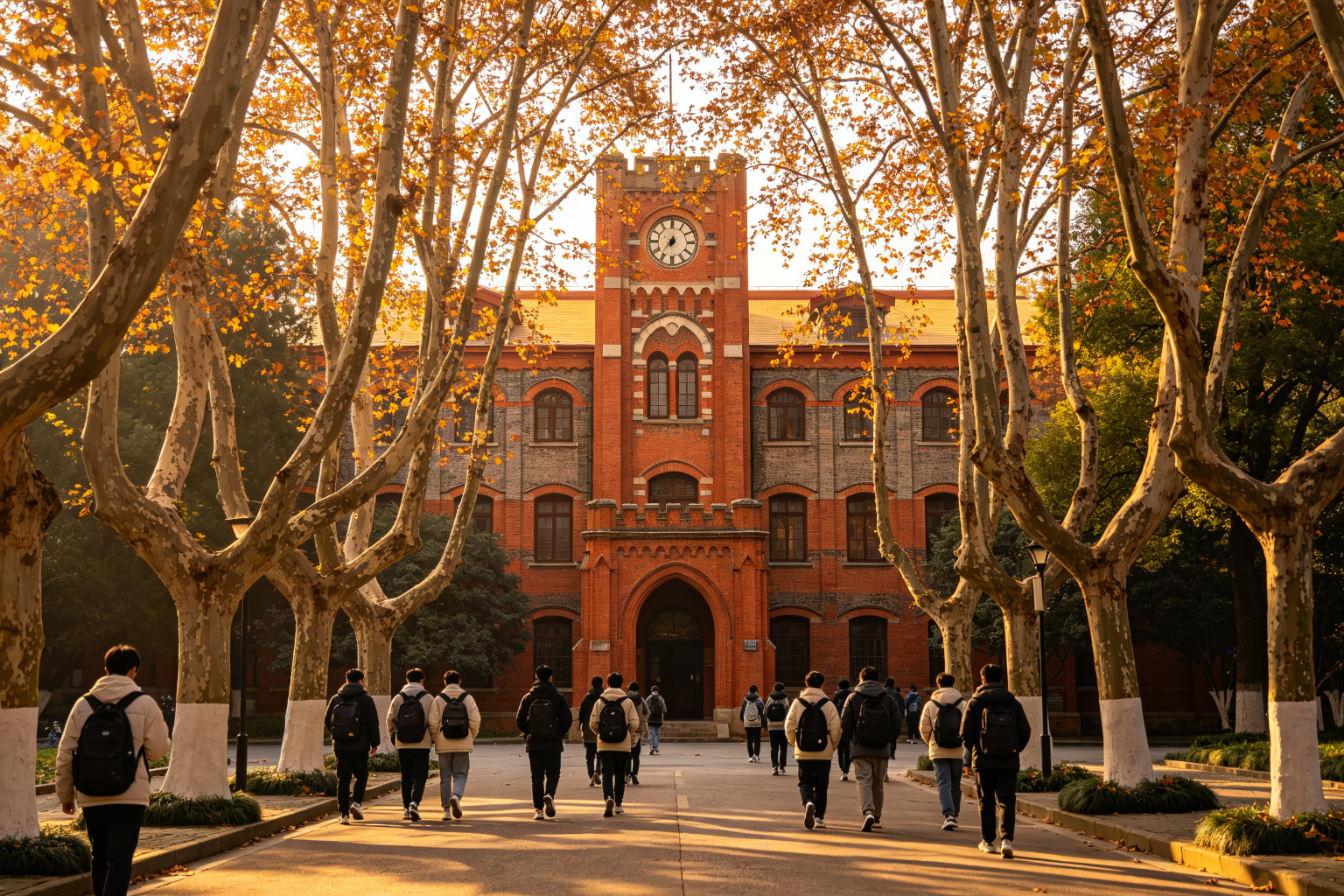
- Jiulidi Campus (九里堤校区) in Jinniu District, the older, central campus with a long history and convenient city access.
- Smaller continuing-education and research facilities operate elsewhere in the city.
Xipu sits right at the western terminus of Metro Line 2, which makes commuting into the center easy; Jiulidi is closer in, near Line 6 and Line 7. The two campuses are about 30–40 minutes apart by metro.
Practical Information
- Address: Xipu Campus, Pidu District; Jiulidi Campus, Jinniu District, Chengdu.
- Transport: Metro Line 2 to Xipu station drops you at the Xipu campus; Line 6 / Line 7 serves Jiulidi. From Chengdu East Station, allow around 50 minutes.
- Visiting: both campuses are open; bring ID or passport. The Xipu library and railway-themed exhibition halls are worth a look, and some research labs welcome pre-arranged group visits.
- Application: international students can apply for degree programs, Chinese-language study and exchange semesters through the International Office. Several programs in transportation and engineering accept English-taught or English-supervised graduate students. Deadlines roughly mirror other Chinese universities (spring for autumn entry). Tuition is in the range of RMB 25,000–40,000 per year for most degree programs.
- Scholarships: CSC, Sichuan provincial and university scholarships are open to qualified international applicants.
Tips for foreign guests
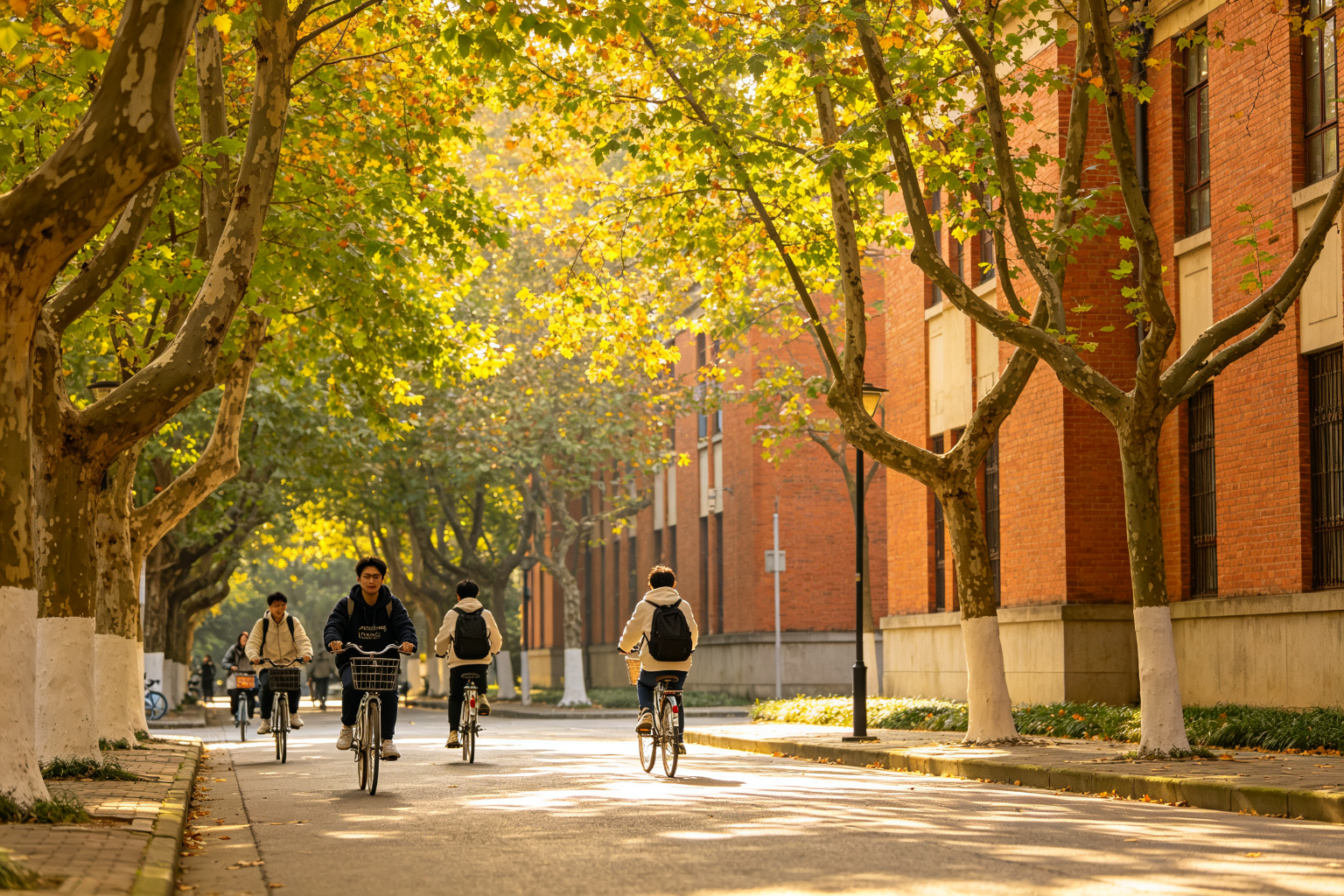
- The Xipu campus is large and leafy; wear walking shoes. A campus shuttle connects the libraries and labs.
- If you are interested in rail, ask the International Office about the on-campus railway museum or model-train exhibits — they are a quiet highlight.
- Engineering coursework is taught mostly in Chinese; English supervision is common at graduate level for international students, but confirm the language of instruction before you apply.
- Useful Chinese: 西南交通大学 (Xīnán Jiāotōng Dàxué = SWJTU); 犀浦校区 (Xīpǔ xiàoqū = Xipu campus); 轨道交通 (guǐdào jiāotōng = rail transit).
For anyone fascinated by how modern China moves — high-speed trains, metros and long bridges — SWJTU is the place to see it from the inside. It is a focused, technical campus with a proud industrial history, and it welcomes foreign engineers and students warmly.
One last practical note: SWJTU runs a small railway-themed exhibition and a handful of open lectures most semesters; email the international office a week ahead and they will usually let you tag along. Budget half a day for Xipu, then take Line 2 back to town for dinner on the way. The campus is calm and technical, so wear comfortable shoes and bring a water bottle; by late afternoon you will have a clear sense of how transport education in China actually works behind the headlines.