
Crime against tourists is low in Chengdu. Street robberies are rare, pickpocketing is uncommon outside packed metro cars, and women walking alone at night in central districts usually feel safe. That said, Sichuan sits in an active seismic zone, summer storms can flood underpasses, and a handful of well-known tourist scams target foreigners. A few simple precautions make the trip stress-free.
The emergency numbers you need
China uses three universal emergency numbers that work from any phone, even without SIM credit:
- 110: police / general emergency. An English-speaking operator may not be available; ask someone nearby to translate or use WeChat to call your hotel.
- 120: ambulance. State your address clearly; ambulances in Chengdu reach central districts within 15-20 minutes.
- 119: fire and rescue.
Save these numbers and the address of your hotel in Chinese characters in your phone. If you cannot describe the street, send a location pin through WeChat or Amap.
Earthquakes and natural hazards
Sichuan has strong earthquakes in its history, including the 2008 Wenchuan quake north of Chengdu. Most modern buildings in Chengdu are built to current seismic codes, and the city has regular drills. During a tremor, stay indoors away from windows, or if outdoors move to an open square. Aftershock alerts appear on local news apps. Avoid remote mountain roads after heavy rain, when landslides are possible.
Common tourist scams
- Tea-house and calligraphy scams: Friendly young people invite you for tea or an art show, then present an inflated bill. Decline unsolicited invitations.
- Taxi overcharging: Use Didi or the official taxi queue at the airport; always confirm the meter starts.
- Fake monks: People in robes handing out "blessings" then demanding money near temples.
- Counterfeit money: Use digital payment whenever possible; inspect large notes received as change.
Health and medical care
Major hospitals such as West China Hospital (Huaxi) and Chengdu University Affiliated Hospitals have international departments. Travel insurance with medical evacuation cover is strongly recommended, especially if you plan trekking in western Sichuan. Pharmacies (marked with a green cross) sell common over-the-counter medicines; bring prescription drugs in their original packaging.
Practical Information
- Police help: Tourist police booths near Kuanzhai Alleys, Jinli and the panda base speak basic English.
- Embassies and consulates: Several countries have consulates in Chengdu; save yours before travel.
- Insurance: Choose a policy that covers hot pot burns, traffic accidents and helicopter evacuation from mountain areas.
- Drinking water: Tap water is not potable; bottled water is sold everywhere.
- Tips: Keep digital copies of your passport and visa on WeChat Drive and in email.
Health Habits Worth Building in Chengdu
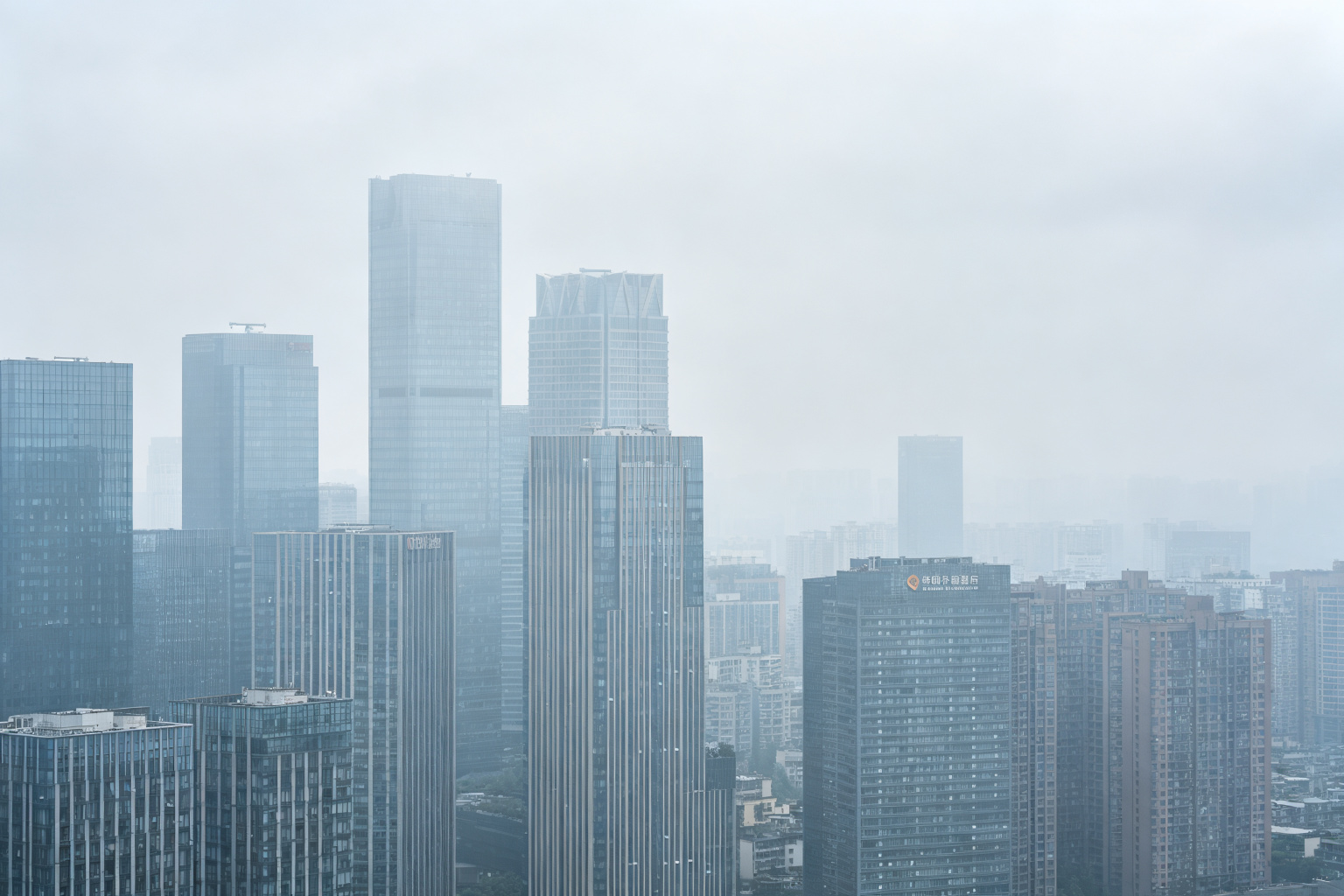
The food is oily and spicy, and first-time visitors often underestimate it. Start with mild hot pot broths, ask for half-spicy (yuan yang) pots, and drink barley tea rather than beer to cool down. Bottled water is cheap; avoid tap water even for brushing teeth if your stomach is sensitive. Air quality in winter can spike during heating season; pack a small N95 mask if you plan long outdoor walks. West China Hospital has an international clinic that handles walk-in foreign patients.
- Bring any prescription medicines in their original packaging for the duration of your stay.
- Pharmacies with a green cross sell common cold and diarrhea medicine without a prescription.
- If you feel motion sick on mountain roads, take motion tablets an hour before departure.
- Hotel laundry is affordable; heavy hot pot clothing should be washed mid-trip.
- Drink warm water; locals rarely order ice, and cold drinks after spicy food upset stomachs.