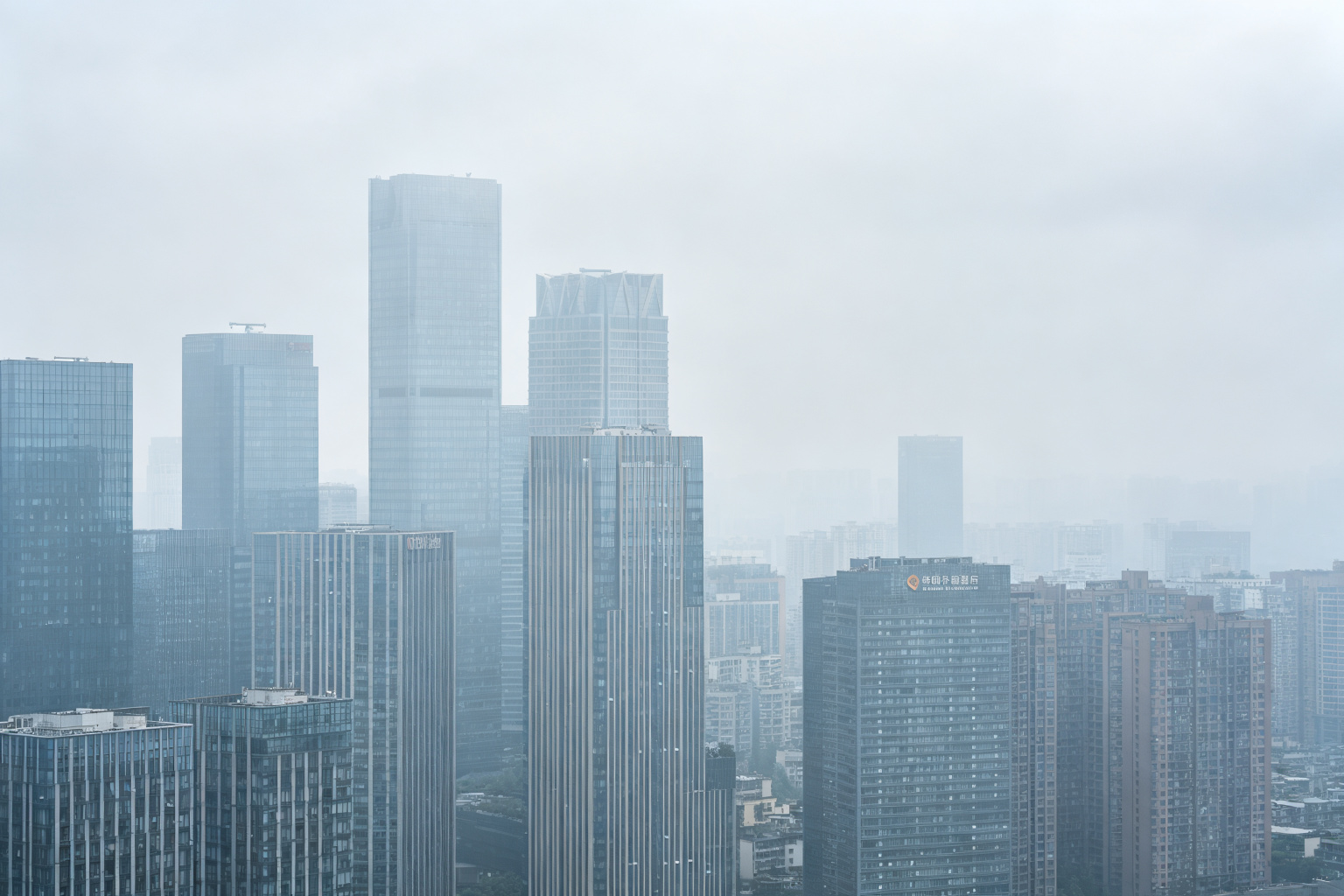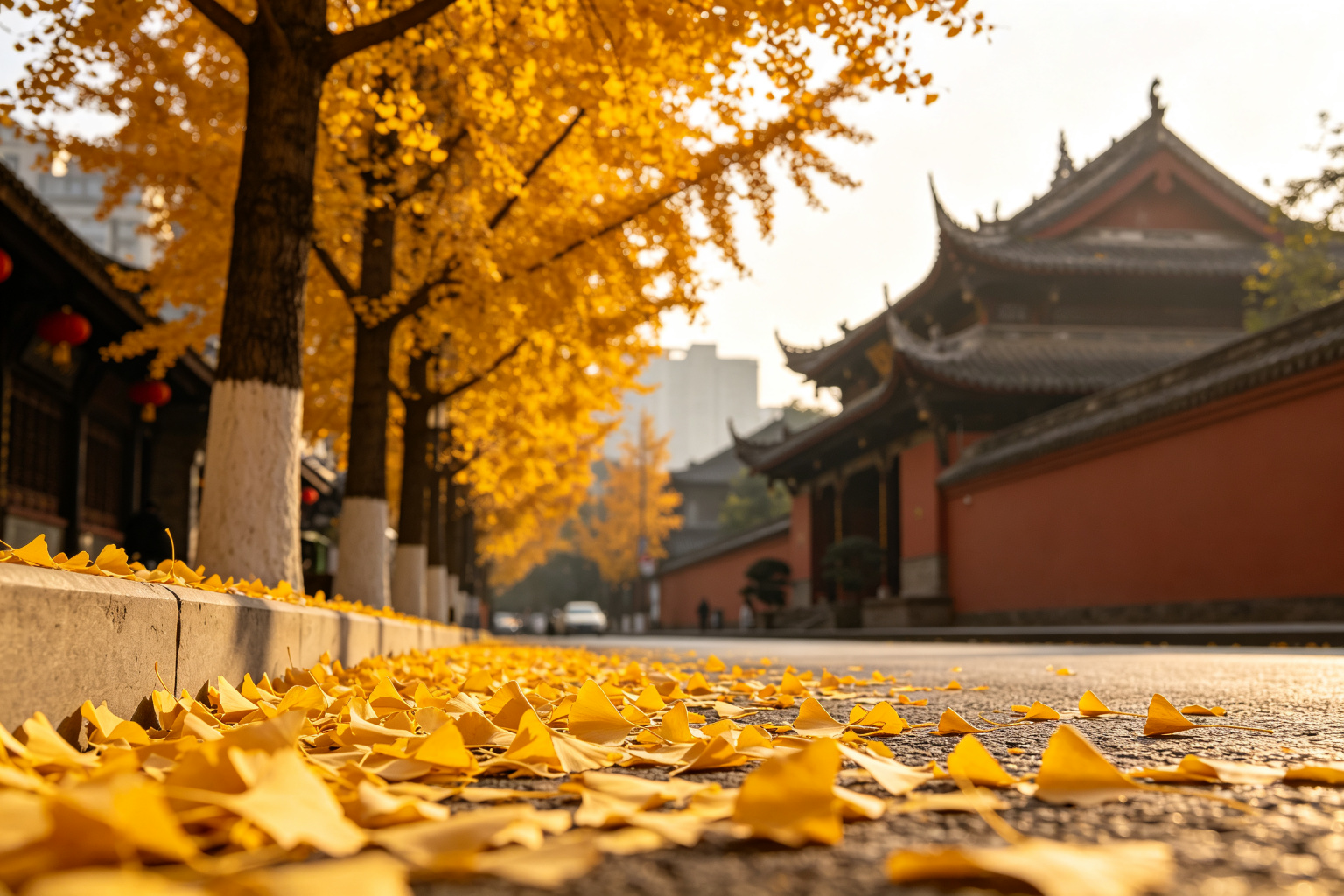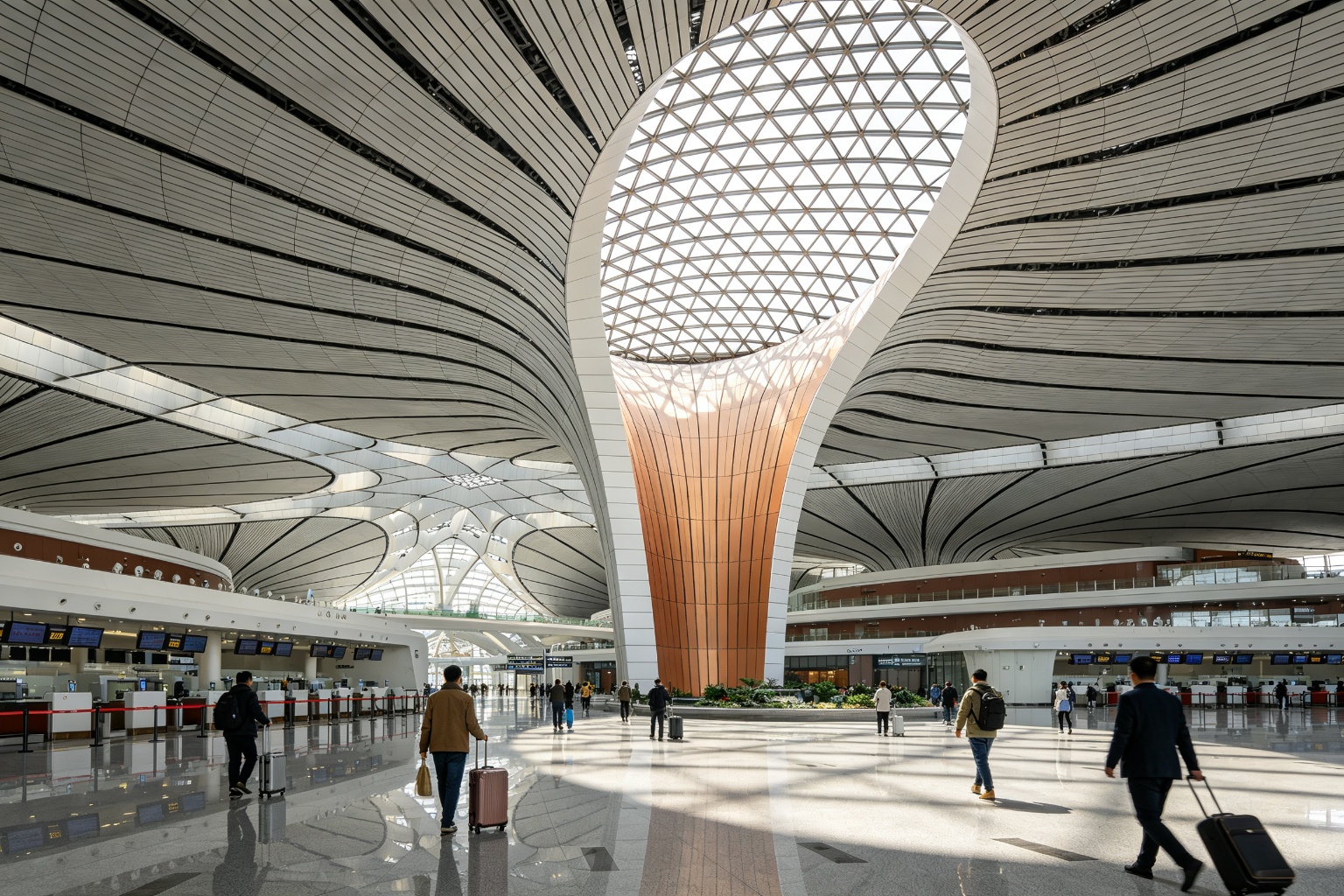
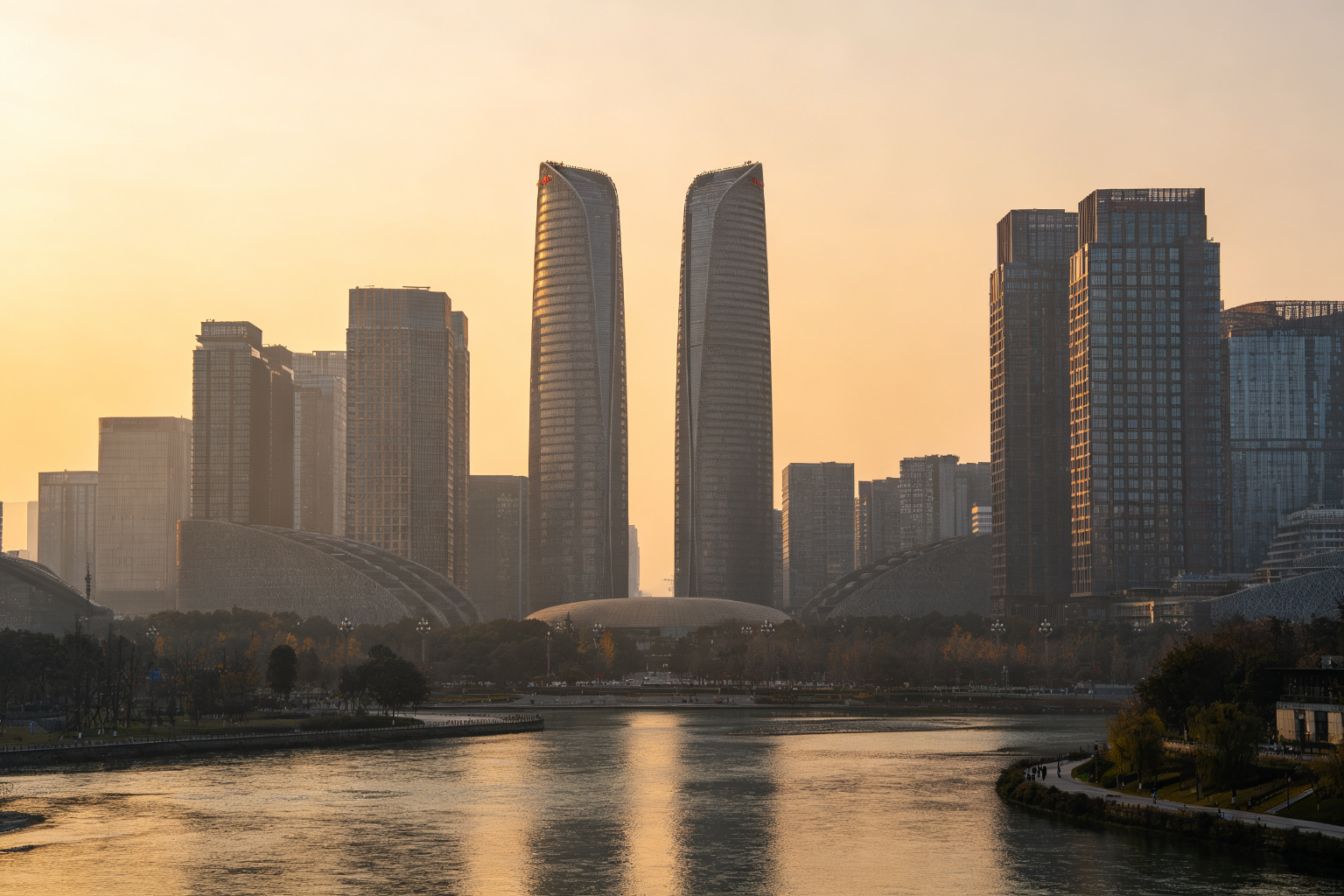
Chengdu (成都, Chéngdū) is the capital of Sichuan Province and the undisputed economic, transport and cultural hub of southwest China. Around 21 million people live in the greater municipal area, making it one of the ten largest cities in the country. Founded more than 2,300 years ago as the heart of the ancient Shu Kingdom, Chengdu has been continuously inhabited under almost the same name, a rarity among Chinese cities. Today it is a metropolis where centuries-old teahouses sit beside glass skyscrapers, and where the pace of life is famously more relaxed than in Shanghai or Beijing.
Why travelers come here
Most visitors first hear about Chengdu through its two calling cards: the giant pandas of the Chengdu Research Base of Giant Panda Breeding, and the fiery Sichuan hot pot that defines local dining. But Chengdu is also a gateway to Tibet, the eastern Himalayas, the UNESCO-listed temples of the region, and a fast-growing business scene centered on electronics, aerospace and finance.
How the city is divided
The core of Chengdu spreads across several central districts, each with its own character. Understanding them helps you pick where to stay.
- Jinjiang (锦江) and Qingyang (青羊): the historic center, home to Kuanzhai Alleys, Wenshu Monastery and People\\\\\\\\「s Park.
- Wuhou (武侯): named after the famous Three Kingdoms temple, packed with teahouses and old streets like Jinli.
- Chenghua (成华): where the Giant Panda Breeding Base and the Eastern Suburb Memory art district are located.
- Jinniu (金牛): a commercial and residential belt north of the old town.
- Gaoxin / Hi-Tech Zone (高新): the southern business district with modern offices, malls and hotels.
- Tianfu New Area (天府新区): the rapidly developing southern extension around the new headquarters district.
- Shuangliu (双流): the older airport district, now connected by metro to the city center.
Population and lifestyle
The registered and floating population combined is roughly 21 million, with a large share of young professionals drawn by lower living costs than coastal megacities and a warm, food-obsessed culture. Locals are famous for spending afternoons playing mahjong in teahouses, eating twice a day at small noodle shops, and treating visitors with the unhurried hospitality the city calls xian (leisure).
Practical Information
- Getting oriented: Chengdu is built around a ring-road system (Ring Roads 1 to 4), with Tianfu Square near the historic center as a natural reference point.
- Best first stop: People\\\\\\\\」s Park (人民公园) for tea, or Chunxi Road for shopping and people-watching.
- Getting around: Metro Lines 1, 2, 3, 4 and onwards cover most central sights; buy a metro QR in the Chengdu Metro app or use a transport card.
- Language: Mandarin is universal; older locals may speak Sichuanese dialect, which is mutually intelligible enough with Mandarin for travel.
- Tips: Don\\\\\\\\「t judge the city by its ring roads alone — walk into the side alleys (xiangzi) to find the real Chengdu.
Quick tips for first-timers
- Carry a passport copy; hotels and some venues register it.
- Use ride-hailing apps rather than waving at street taxis for fair pricing.
- Tap water is not safe to drink; bottled water is cheap everywhere.
- Slow down. The point of Chengdu is to sit, eat, and watch life pass by.
How Chengdu Compares to Other Chinese Metropolises
First-time visitors often ask where Chengdu sits relative to Beijing, Shanghai and Guangzhou. It is smaller than the tier-one coastal giants, but it punches above its weight in aviation, electronics manufacturing, and outbound tourism to Tibet. The cost of a mid-range hotel dinner is roughly 30 to 40 percent lower than in Shanghai, while the metro coverage is already among the world’s top ten. Streets are wider, lunch breaks are longer, and the local pace makes business travelers feel unhurried.
- Skip the comparison to Shanghai for nightlife; Chengdu’s bar scene is smaller but concentrated in Yulin and Jiuyanqiao.
- Bring comfortable walking shoes; the old town alleys are best explored on foot.
- English signage is good at major transport hubs but thin inside residential neighborhoods.
- Pick up a city map at the hotel desk; printed maps are free and often show alleys omitted from digital apps.
- Allow an extra day if you also want to see Leshan or Mount Qingcheng; both are easy day trips.